Request a Demo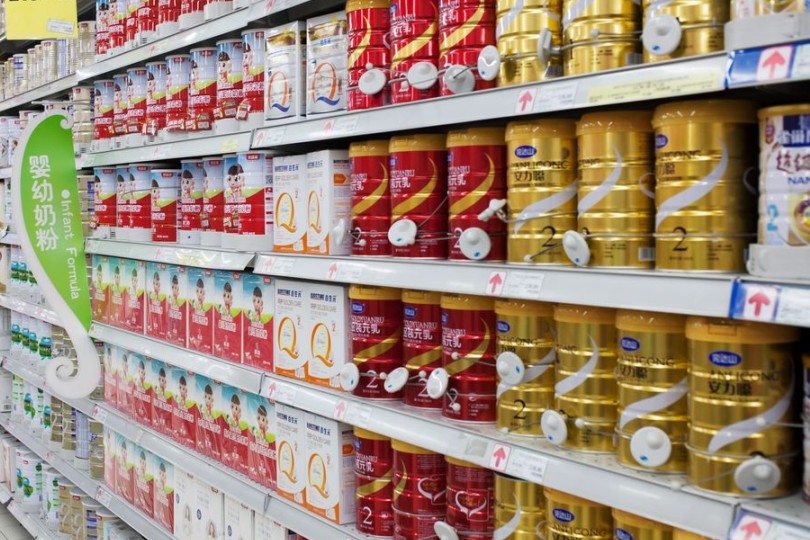
On 16 Dec, CFDA updated the Detailed Rules for Examination on Production Licensing for Baby Formula Manufacturers (2013) based on its 2010 version issued by AQSIQ. The revised regulation has referred to the management system adopted for drugs and introduced the most stringent requirements in the history of food production licensing in China, claimed by CFDA officials.
On the press conference held by CFDA on 24 Dec, officials further unveiled that a national campaign will be launched to re-examine the baby formula manufacturers in line with the revised regulation, which will be closed on 31 May 2014. Only manufacturers who can meet upgraded requirements in the revised regulation and pass the government examination can get new production licenses and continue to make infant formula. Those in need of more time to make adjustments or failing the examination should stop production but will be granted a transitional period of 2 years.
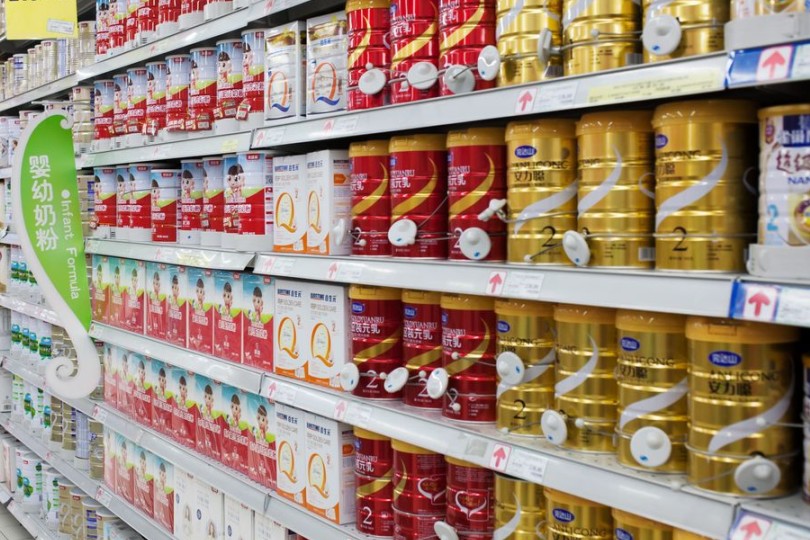
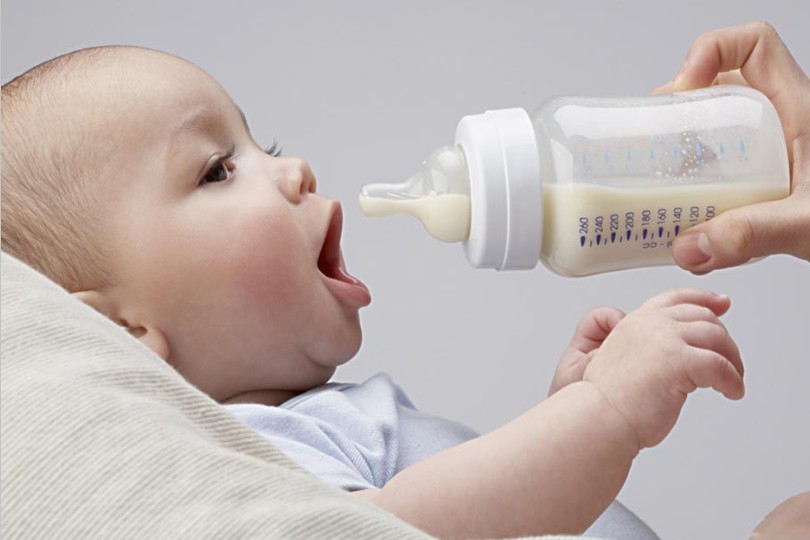
The regulation applies to production licensing of manufacturers of milk powder for babies (0-36 months), specifically infant formula (0-6 months, Stage I), older infant formula (6-12 months, Stage II) and young children (12-36 months, Stage III). Much higher licensing criteria are introduced regarding companies’ safety and quality management system, production facilities, raw materials, production process control, testing ability, the quality of employees, production environmental control and R&D ability.
Similar to the management mode adopted for drugs, manufactures of milk powder must implement the Good Manufacturing Practice (GMP) standard for Powdered Formulae for Infants and Young Children (GB 23790-2010) together with HACCP to realize the monitoring throughout the entire production process.
There are two main production processes for milk powder, namely wet blending process and dry blending process. At present, some producers may use both but apply them separately in different factories. However, under the new regulatory environment, if manufacturers use combined processes, they must be finished in the same plant.
Manufacturers should use the vegetable oil used in the milk powder in compliance with national standards and specify the category of vegetable oil used. In addition, the hydrogenated oil and fat are prohibited from adding.
The amended regulation also highlights the manufacturers need possess their own milk source and strong ability of R&D and testing, establish a traceability system and file the formula and packaging/labels with provincial FDAs.
There are totaling 128 infant formula producers in China now (CL news 8 Aug), including several international dairy giants, such as Mead Johnson, Wyeth, Dumex, Abbott Nutrition, etc. which will definitely be affected by the regulation.
Dairy industry insiders told that it could prove extremely challenging for those small-scale manufacturers without sufficient financial support to survive in the “reshuffle storm”. After the deadline of 31 May 2014, a new list of baby formula manufacturers in China and their products will be available.
 We provide full-scale global food market entry services (including product registration, ingredient review, regulatory consultation, customized training, market research, branding strategy). Please contact us to discuss how we can help you by