Request a Demo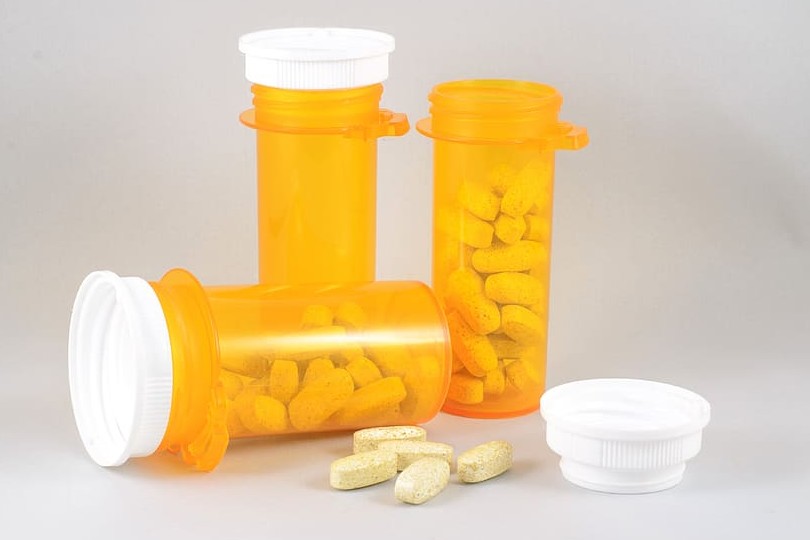
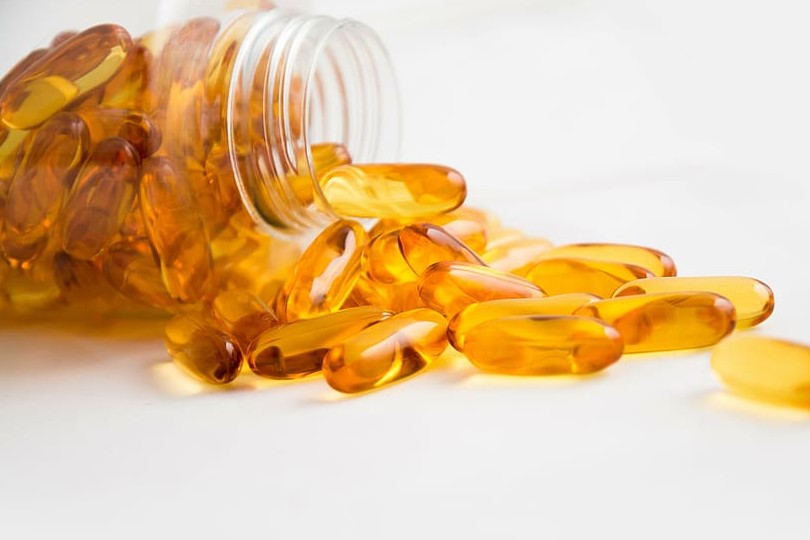
On April, “Blue Book of Health Management: Annual Report on Development of Health Management and Health Industry in China No.1 (2018)”, themed “new discipline and new format” was published by the Social Sciences Academic Institute, Zhongguancun Xinzhiyuan Health Management Institute and the health management research center of Central South University. According to the report, there is going to be a boom in China’s health food market.
From 2005 to 2015 the average annual growth rate was 13% in the domestic health food market — the highest growth rate globally. At present, this industry is still in its infancy, with a penetration rate of only 10%. In China, per capita consumption on health food is less than $20, while in America it is about $101. Even though domestic per capita consumption and the penetration rate is way behind China’s western counterparts, China’s transition towards an economy fueled by domestic consumption further aided by the recent development and implementation of more “market-friendly” legislation and regulatory policies is expected to catapult growth from $19.2b in 2015 to $28.8b in 2020.
In 2016, the sales of dietary nutritional supplements topped $10.82b ($7.81b export and $3.01b import), among which the sales of raw materials for dietary nutritional supplements take up 84 per cent. Statistics show that China enjoys advantages in production and trade of vitamins, amino acid, chondroitin sulfate, plant extracts etc. Meanwhile, as new dietary supplements are discovered and sold to meet the ever increasing demand of consumers, the markets for coenzyme Q10, gynostemma pentaphyllum and gingko leaf also look bright.
 We provide full-scale global food market entry services (including product registration, ingredient review, regulatory consultation, customized training, market research, branding strategy). Please contact us to discuss how we can help you by