Request a Demo
Genki Forest (Yuanqisenlin) has become one of the most high-profile beverage brands in China in recent years. Famous for its sugar-free products like sparkling water, Genki Forest has gained considerable traction through a strong presence on social media and has become a big hit among young people. (View more ChemLinked reports here.) However, it was dragged into a public dispute these days.
The whole thing should go back to an article1 released on Zhihu platform (Chinese equivalent of Quora) in January this year. In this article, the author mainly evaluated the nutritive value of some low-sugar and sugar-free beverages based on their nutrition facts and criticized the tricky labeling of “zero sucrose” claim of Genki Forest’s milky tea. It is said although this product does not contain sucrose, it contains crystalline fructose instead and Genki Forest should not advertise with claims like this product will not result in weight gain.
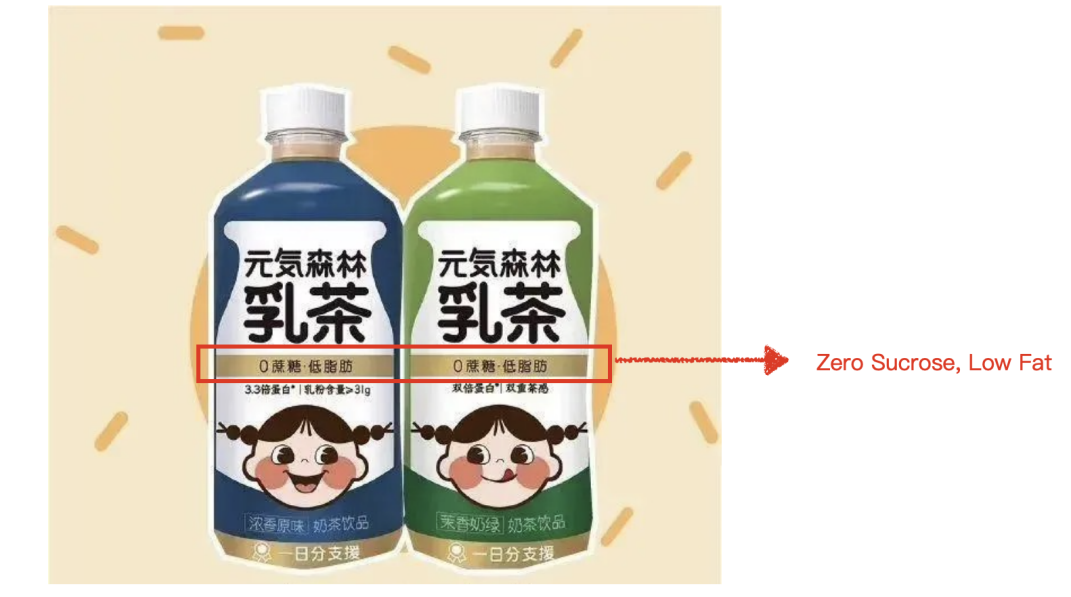
The discussion unfolded until it became a hot topic on Sina Weibo in April. Feeling cheated, consumers questioned the “zero sucrose” claim on the product package, because many of them have misunderstood it as “sugar-free”. On April 10, Genki Forest apologized2 for the misunderstanding and promised to update the label claim from “zero sucrose” to “low sugar”.
Is It Compliant to Label “Zero Sucrose” on Products?
From the regulatory perspective, generally speaking, it is legal to label “zero (or ‘0’) sucrose” on the product package according to Article 4.1.4.2 of “GB 7718-2011 Standard for the Labeling of Prepackaged Foods”. But if food products place a special emphasis like this, the content of sucrose in the final product shall be labeled accordingly.

English version of “GB 7718-2011 Standard for the Labeling of Prepackaged Foods”3
Zero Sucrose VS. Zero Sugar, Suspected False Advertising?
Although it is compliant to label “zero sucrose”, after checking the nutrition facts of this product, it seems the sugar content in this product is not as low as the advertising indicated. Disclosed by an announcement4 released by Genki Forest in January, the actual sugar content in this product is 4.7% (4.7g/100mL). While, as stipulated in “GB 28050-2011 Nutrition Labeling of Prepackaged Foods”5, the maximum limits for “sugar-free” and “low sugar” claims are 0.5g/100mL and 5g/100mL respectively. That also explains why Genki Forest updated the claim of “zero sucrose” to “low sugar”.
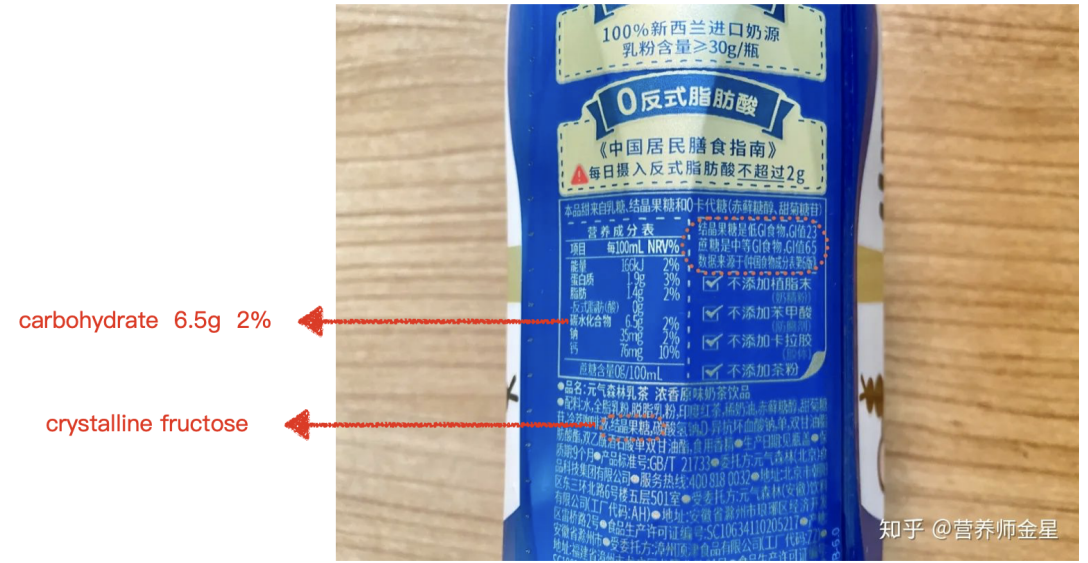 In this case, ChemLinked holds the opinion that the “zero sucrose” label, together with the advertising claim “do not result in weight gain”, will give consumers a deceptive impression that the product contains little sugar. Not to mention, the product recipe determines it could not fulfill the promised advertising claim. On April 12, China Consumer News also interviewed6 several legal experts, who believe such advertising of Genki Forest is suspected of being misleading and infringing consumers rights and interests.
ChemLinked Suggestion
From the regulatory perspective, ChemLinked does not suggest skirting food regulations because it may pose a possible risk in future. As society develops, consumers are being better educated and much willing to learn or search for scientific knowledge to help them with the purchase decision. In line with such demands, a great number of testing agencies and KOLs evaluate those popular food products sold on market. Food products are now subject to unprecedented social supervision.
To enterprises that intend to catch up with the “sugar-free” trend, although marketing matters, a premium recipe is still the premise to win consumers. Statistic data7 disclosed that in 2020, a whopping 60% of consumers in the top tier cities stated that checking ingredient labels on packaged foods was the most important factor while purchasing a product.
 We provide full-scale global food market entry services (including product registration, ingredient review, regulatory consultation, customized training, market research, branding strategy). Please contact us to discuss how we can help you by