Request a Demo
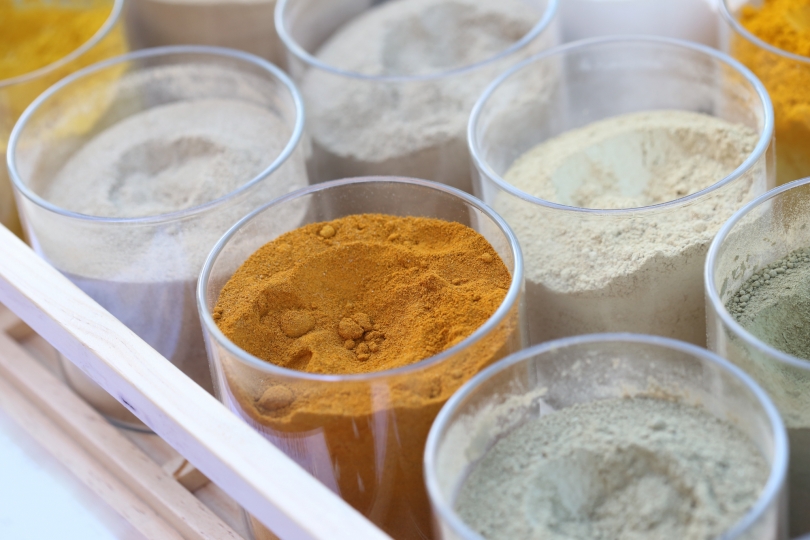
On January 6, 2020, China National Health Commission publicized 6 substances that are considered as both foods and as traditional Chinese medicine.[1] The 6 substances involved can be used in food production from now on, but the labels, advertisements, or specifications of products containing these ingredients must not indicate medicinal efficacy. Details of 6 substances are:
| S/N | Name | Animal/plant name | Latin name | Genus | Part | Note |
| 1 | 当归 | 当归 | Angelica Sinensis(Oliv. )Diels | Umbelliferae | Root | Only as spice and flavoring |
| 2 | 山柰 | 山柰 | Kaempferia galanga L. | Zingiberaceae | Root and rhizome | Only as spice and flavoring |
| 3 | 西红花 | 番红花 | Crocus sativus L. | Iridaceae | Stigma | Only as spice and flavoring |
| 4 | 草果 | 草果 | Amomum tsao-ko Crevost et Lemaire | Zingiberaceae | Fruit | Only as spice and flavoring |
| 5 | 姜黄 | 姜黄 | Curcuma longa . | Zingiberaceae | Root and rhizome | Only as spice and flavoring |
| 6 | 荜茇 | 荜茇 | Piper longum L. | Piperaceae | Cluster | Only as spice and flavoring |
In July 2013, former National Health and Family Planning Commission (NHFPC) opened “Catalogue of Substances Traditionally Regarded as Food and Chinese Medicine (2013 edition)” to public feedback.[2]However, the draft of the catalog was never finalized or implemented.
 We provide full-scale global food market entry services (including product registration, ingredient review, regulatory consultation, customized training, market research, branding strategy). Please contact us to discuss how we can help you by