Request a Demo
Since the introduction of the "foods with functional claims (FFC)” system, Japan's functional food market has witnessed rapid development, reaping a 248-billion-yen market value with an 11.8% growth in 2020.1 The functional ingredients, which support functional claims and can be proved by scientific evidence, are the essence of FFC. As the birthplace of the functional ingredients industry, Japan has a long tradition of enhancing food products' function to promote health. For FFC stakeholders, finding functional ingredients and valuable ways of their applications is always at the top.
Top 10 Functional Ingredients in FFC
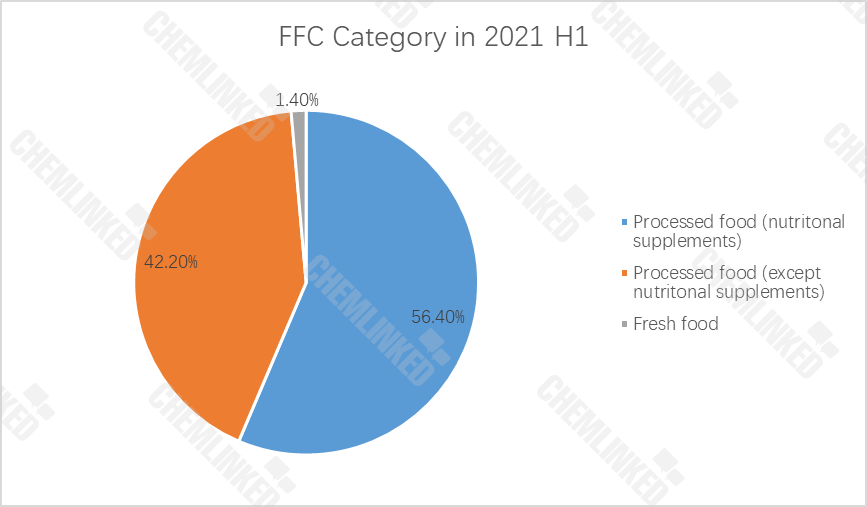
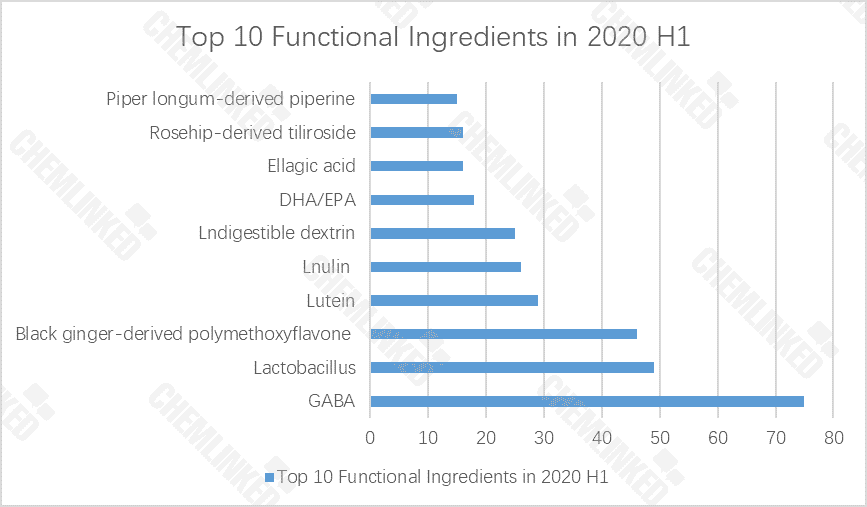
According to the data from Japan's Consumer Affairs Agency (CAA), a total of 614 foods with functional claims obtained approval in 2021 H1 (including 2 products were withdrawn after approval). Among them, more than half are nutritional supplements. GABA tops the list of the most-frequently-used functional ingredients, followed by lactobacillus and black ginger-derived polymethoxyflavone.
Functional Ingredients by Health Claims
Gut Health
Gut health and the balance of flora in the gastrointestinal tract have a direct bearing on human emotion, skin condition and immune system, and are important for consumer in different age groups. Food with a claim of promoting gut health is thus booming on the Japanese market. From probiotics, prebiotics to dietary fiber, more and more functional ingredients are added to Japanese food products.
Top functional ingredients: Inulin, indigestible dextrin, lactobacillus, B. coagulans SANK 70258, B. longum BB536
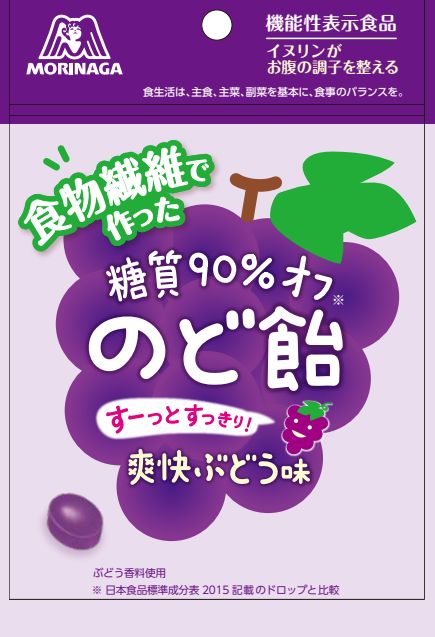
* A processed food containing Inulin with the claim of improving gut health
Weight Loss
Driven by multiple factors like obesity, change of lifestyles caused by Covid-19 and the aging problem, weight loss products have always been a hotspot in Japan's FFC market, which can be exemplified by the fact that functional ingredient for losing weight always has the fastest pace in terms of market innovation. One-hit wonder like isoflavones from Pueraria and kidney bean extract are fading out the market gradually, while innovative ingredients including black ginger-derived polymethoxyflavone having captured the market quickly.
Top functional ingredients: black ginger-derived polymethoxyflavone, ellagic acid, rosehip-derived tiliroside, acetic acid, lactoferrin
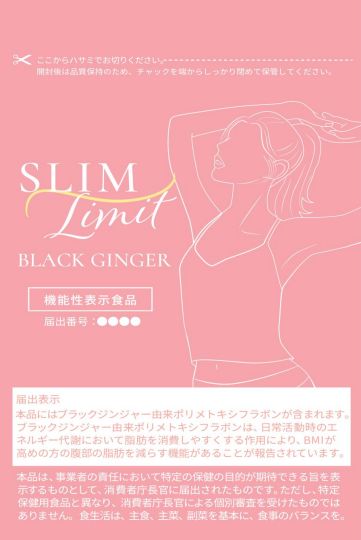
* A nutritional supplement product containing black ginger-derived polymethoxyflavone with the claim of reducing body fat
The 3 Highs Control
As revealed by the report issued by Japan's Ministry of Health, Labour and Welfare (MHLW)2, cerebrovascular disease is the third leading cause of death among people aged above 55. As a "super-aging" society, the Japanese elderly are plagued by the 3 Highs symptoms (high blood pressure, high cholesterol and high blood sugars), which contribute to a high incidence of cerebrovascular disease. Therefore, foods with claims like lowering blood pressure occupied a significant share in Japan's FFC market.
Top functional ingredients: GABA, DHA/EPA, pine bark extract, barley β-glucan, maltitol
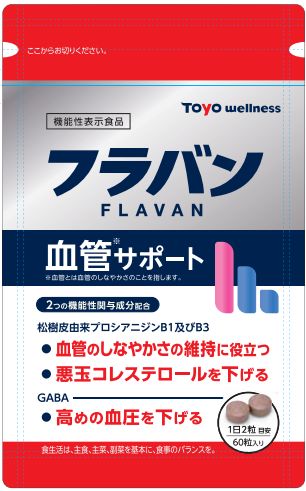
* A nutritional supplement product containing pine bark extract with the claim of improving blood pressure and cholesterol level.
Brain Health
Also accentuated by the stark aging issue, cerebral diseases pose an increasing risk to a large number of Japanese elderly people. According to the report released by the MHLW3, the "Baby Boomer Generation (born 1947-1949)" will all reach 75 or above in 2025, and approximately 7 million of them are projected to live with dementia in Japan by 2025. That was to say, among the elderly people over 65, 1 out of 5 people will suffer fromcognitive diseases. With the grim future looming, more and more health foods with the claim of brain-boosting are emerging on the market.
Top functional ingredients: DHA/EPA (memory improvement), ginkgo biloba extract (help with cognitive function), curcumin (anxiety management), GABA (sleep aid), L-Theanine (sleep aid)
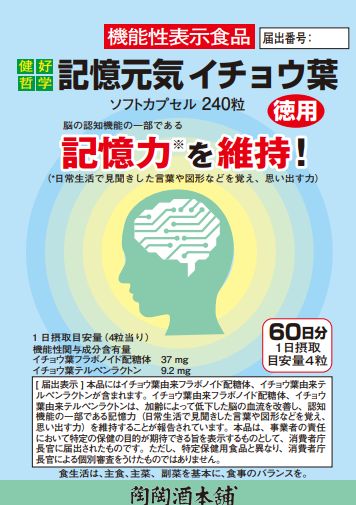
* A nutritional supplement product containing ginkgo biloba extract with the claim of improving memory.
Nutricosmetics
The development of Japan's nutricosmetics market can be traced back to the 1970s. Now it has become one of the most mature markets in the world. According to the survey by Health Industry News4, Japan's beauty supplement market is estimated to have reached 238.5 billion yen. Among them, collagen protein and enzyme take 52 billion yen and 50.5 billion yen respectively, together occupying the major market share, followed by hyaluronic acid with 39 billion yen.
Top functional ingredients: GABA (skin elasticity maintenance), collagen peptide (anti-wrinkle), sodium hyaluronate (moisturising), astaxanthin (UV resistance), chlorogenic acid (antioxidation)

* A nutritional supplement product containing astaxanthin with the claim of UV resistance
 We provide full-scale global food market entry services (including product registration, ingredient review, regulatory consultation, customized training, market research, branding strategy). Please contact us to discuss how we can help you by