Request a Demo
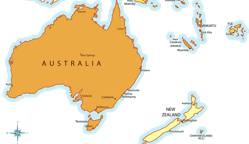
When the Chinese think of Australia, it isn't only kangaroos and koalas that come to mind. They also envision clean air, green grass, pristine beaches, nutritious food, and a healthy population.
Export performance: ANZ accounts for 22% of infant formula import value in China
 According to data in a recent Euromonitor report [2] published in 2018, the sales value of infant formula in China climbed from 101 billion yuan in 2013 to 162 billion yuan in 2018, with a total growth of 59.8%.
In 2018, 324 thousand tons of infant formula milk powder were exported from 58 countries/regions to China, amounting to over 31.6 billion yuan. Among them, New Zealand is the second largest exporter and Australia ranked 7th. (Source: China Import & Market Data of Major Food Sectors 2018 [3])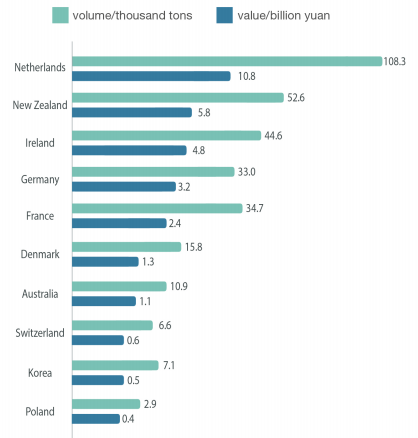
General trade accounts for over 80% of the import value
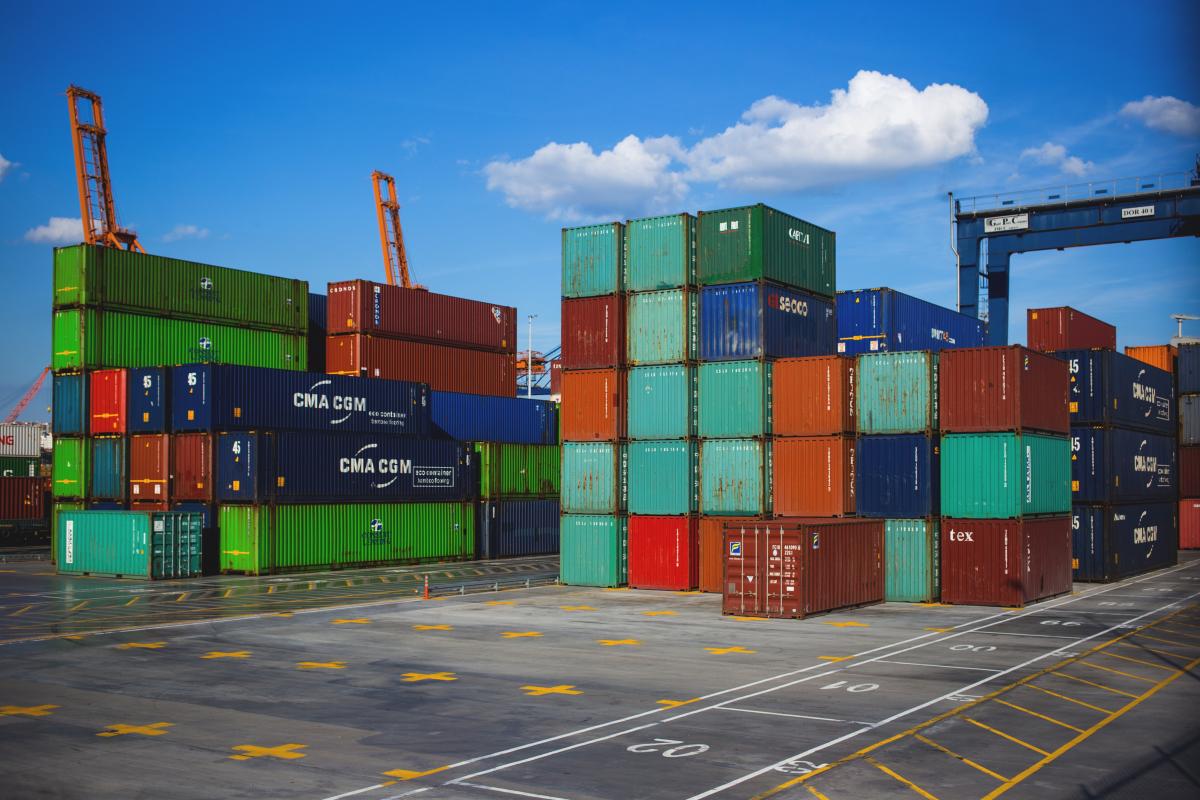 How to export products to China? Legally speaking there are only two major channels for overseas enterprises to export infant formula products to China, which are general trade and cross-border e-commerce (CBEC). Let's take a look at the performance of these 2 channels.
According to GAC data [4], general trade is still the major import channel for infant formula products, which accounts for 82% of the import value, while CBEC only accounts for 18%. As for New Zealand and Australia, the proportion of general trade reached 89% of the import value.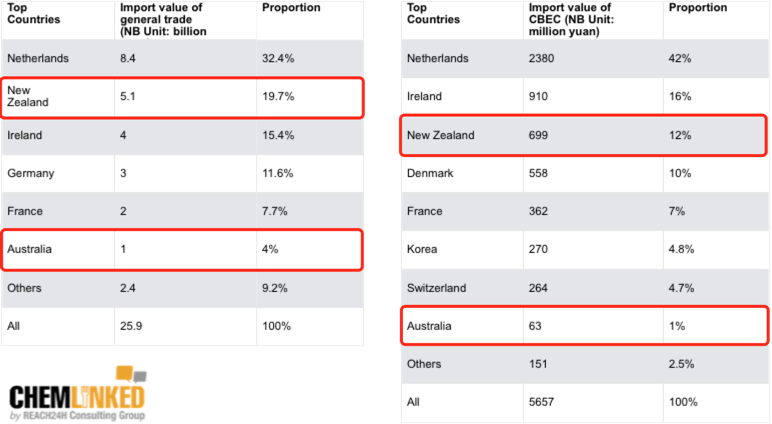
Infant formula registration: ANZ to consolidate more market share
According to GAC data, general trade channels still dominate in both volume and value terms. Data sourced from a Nielsen report [5] also shows the retail channel stratification and indicates that brick and mortar stores for mother & baby products still dominate, followed by supermarkets and then comprehensive online shopping platforms. Consumers choose offline channels like maternal stores and supermarkets due to the diversified product portfolio and reliable quality. The offline channel is still the important channel for enterprises, and general trade is the only way for enterprises to enter China's offline market, which demands that enterprises must pass GAC (CNCA) registration and register all products.
Recipe registration: a tricky problem for enterprises
It's not easy for enterprises to pass the GAC registration and SAMR recipe registration. Due to the strict demands of China's regulators, these two items have become the top priority and barrier for overseas companies.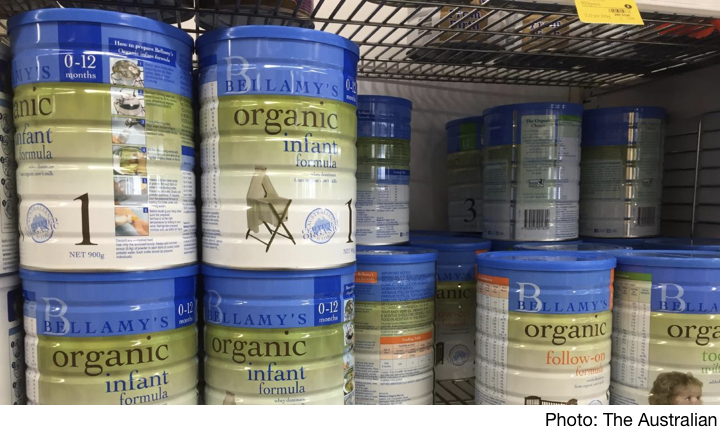 Bellamy reported a revenue of 174.9 million dollars in 1H2018 and 129.6 million dollars in 1H 2019. According to Bellamy's interim report 2018 [6], reduced China sales is a big factor in their recent downturn. The application for this recipe registration was submitted by Camperdown for Bellamy's brand in December 2017 and Bellamy's remain confident it will be achieved. However, there is no further update on the specific timing of approval at this time.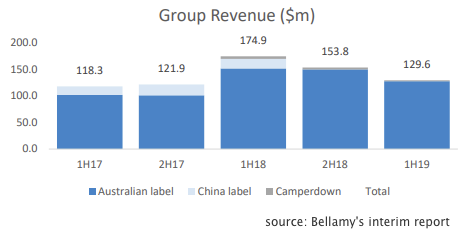
ANZ account for 35% overseas formula registrations
Although it is difficult to pass formula registration, New Zealand still has a big lead over the other 14 countries, and accounts for 25% of registered overseas formula, followed by Australia, which ranks fourth place and accounts for 10%. (Source: GAC, China CNCA-approved Overseas Manufacturers-Infant formula [7]; Directory Information of Infant Formula Recipe Registration in China [8])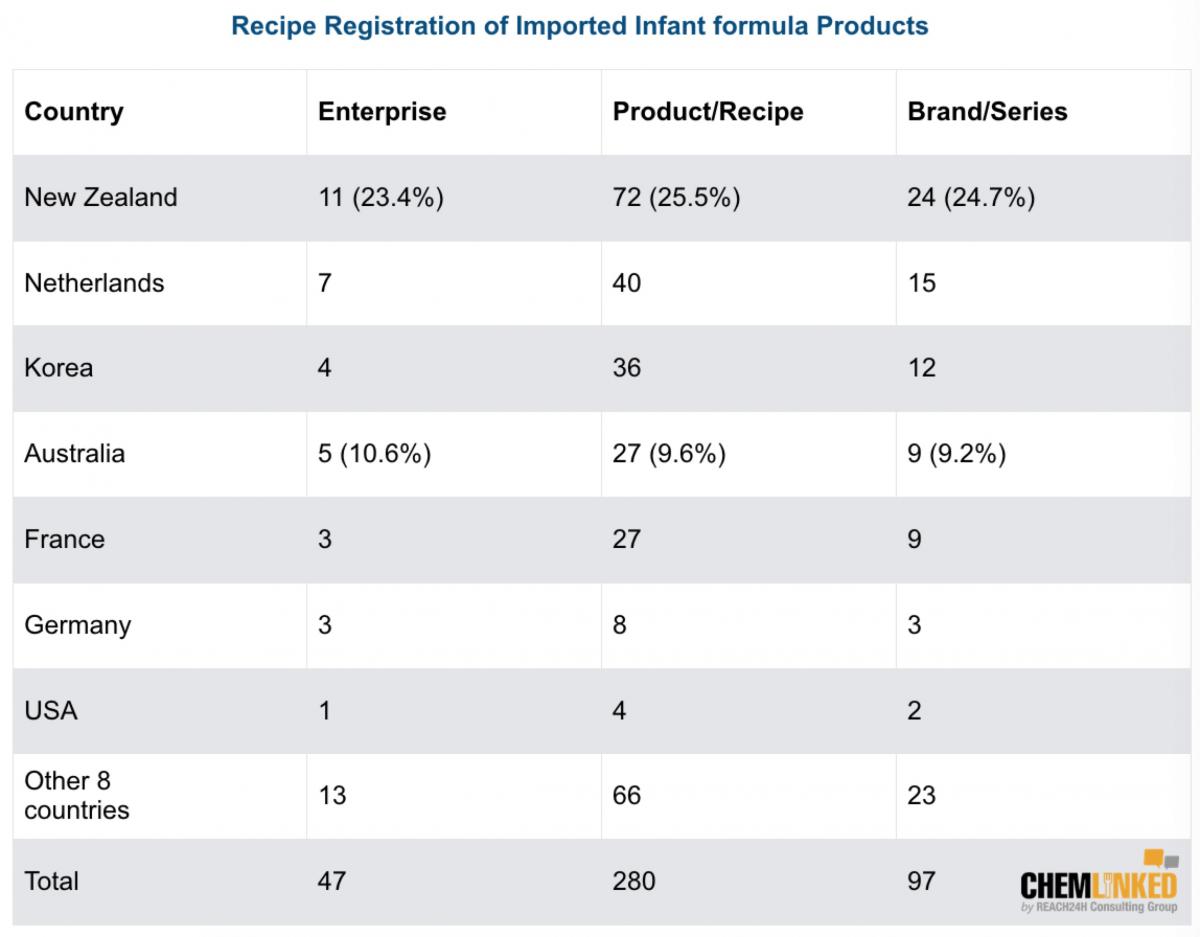 Zhao Libo, vice president of marketing of Yashili also believes, in the perspective of long term competition, companies who passed the recipe registration first, got a leg up. They can take advantage and enter the market before their competitors. Thus, the sales performance of ANZ infant formula products is projected to increase steadily.
CBEC: A viable entry strategy for unregistered products
 For those who haven't passed the formula registration or who want to test the waters of China’s IF market, CBEC is a good choice due to the relatively loose market access requirement.
As for infant formula products, registration and filing are not needed when exporting products to the bonded area (only need 1-2 days for customs clearance) in pilot cities. When products enter from abroad to the bonded area in non-pilot cities, products like infant formula, health food, and FSMP need registration/filing. (Read GAC Releases Specific Implementation Methods for CBEC Supervision [9] for more info)
Registration is technically demanding and requires a considerable time investment of between 1-3 years but CBEC only needs around 2 months, according to an import consumption report [10] by Deloitte, China Chamber of International Commerce and AliResearch.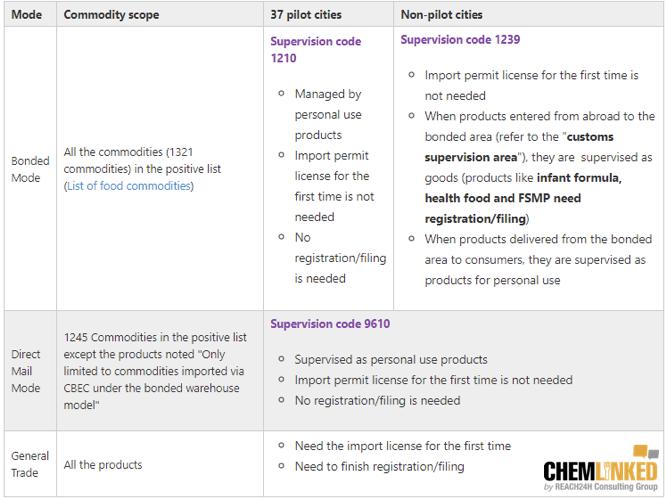
T-mall and JD.com account for 80% of formula products online sales
After exporting products to China, which E-commerce platform should enterprises choose to retail products? According to data from ECdataway [11], the main online sales channel of infant formula products are T-mall (accounts for 40.4% of the online sales value) and JD.com (45.7%), and the market share of NetEase Kaola (7.7%) is also gradually developing.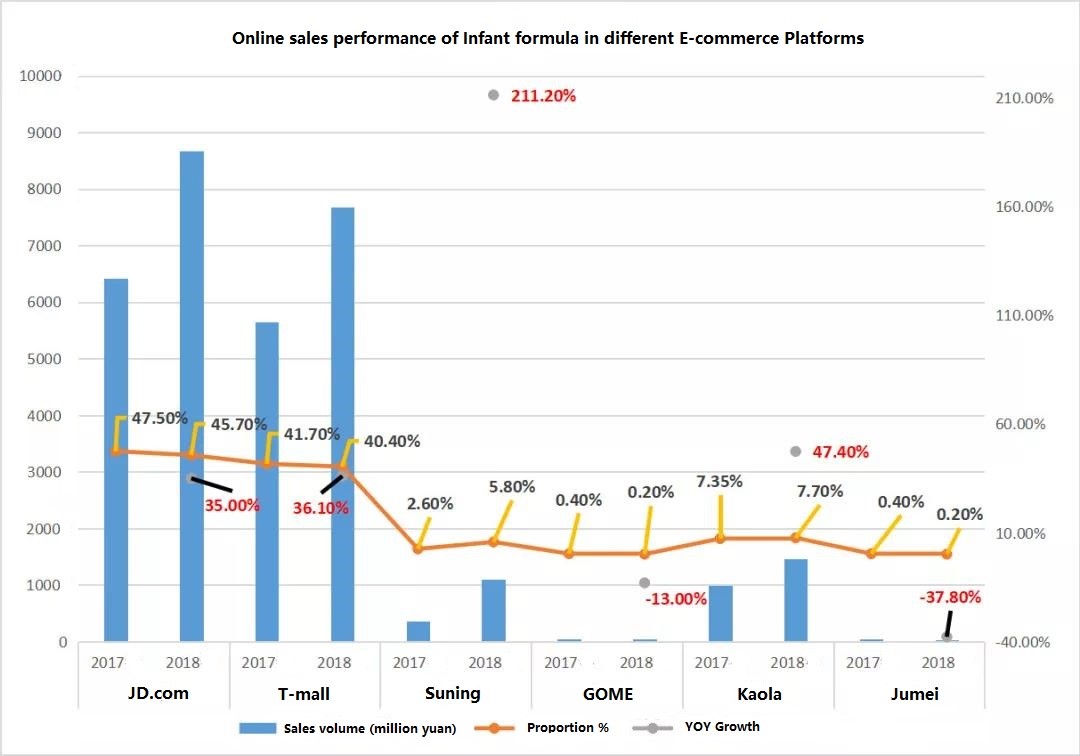
 We provide full-scale global food market entry services (including product registration, ingredient review, regulatory consultation, customized training, market research, branding strategy). Please contact us to discuss how we can help you by