Request a Demo
During the past two years and a half after the outbreak of COVID-19, the world economy as well as people’s income and consumption preferences have been greatly affected. To cope with the pandemic, China implemented strict measures, including carrying out COVID-19 testing of imported cold-chain foods at ports and promoting vaccination, mask-wearing, etc. At present, the pandemic situation in China is relatively stable. In this context, how’s the latest import performance of major foods in China? Is the food import performance greatly influenced by the pandemic?
To help stakeholders stay tuned with the food import performance in China, ChemLinked analyzed the import data of major categories both in H1 2022 and in previous years. (Notes: All import data are from China Customs Statistics.)
Infant Formula
Since infant formula is essential to most babies, let’s start with infant formula products. In H1 2022, China imported 124 thousand tons of infant formula, with an import value of 2.07 billion US dollars. Compared with that in H1 2021, the import volume of infant formula decreased by 3.8% and import value declined 1.5% in H1 2022. Although it is not a massive contraction, the imported infant formula sector has declined for the fourth year in a row.
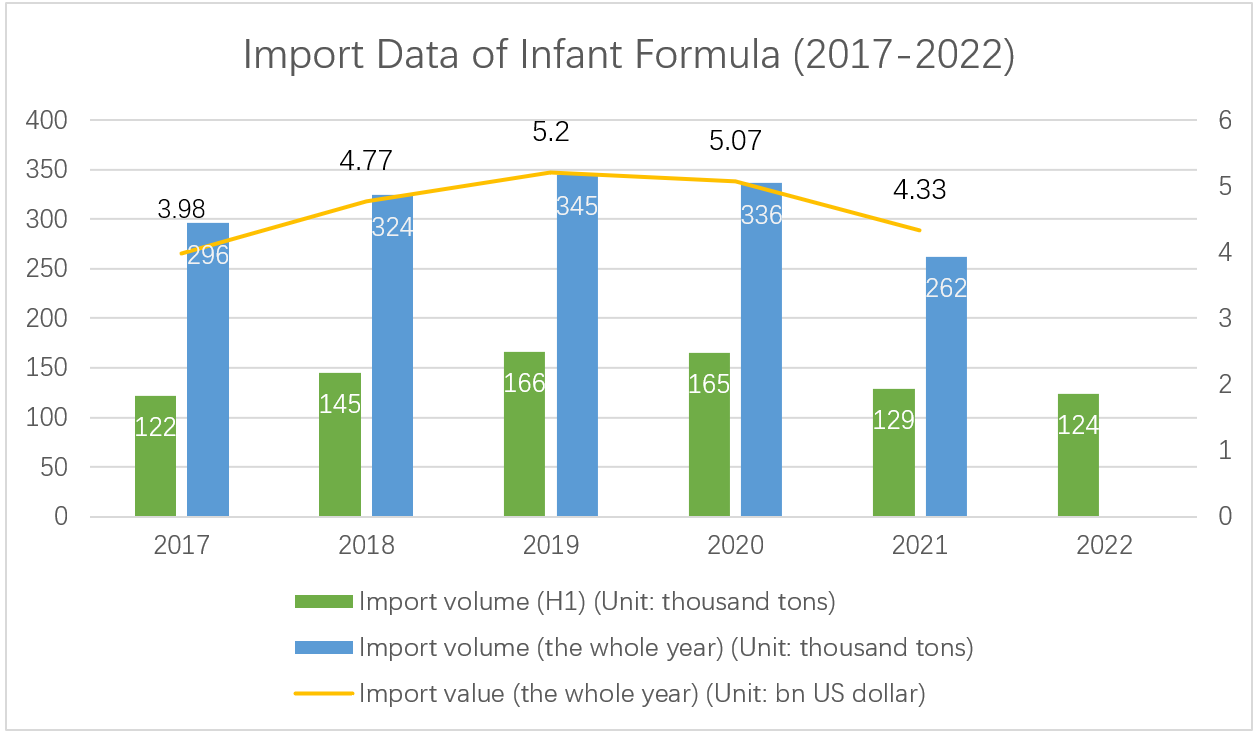
Involved HS code: 19011010
“The decline of import infant formula is mainly due to the decrease of newborns and the rising of domestic infant formula brands in China,” explained Wang Zhenyu, Deputy Director of Import and Export Food Safety Division of Shanghai Customs. ChemLinked believes that compared to the increasing competitiveness of local brands in China, the low birth rate is a more crucial factor leading to the current situation and an urgent situation for the government to deal with. In 2021, the birth rate was only 7.52‰. The continuous declining birth rate is very likely to result in a shrinking infant formula market in the short term. It is worth noting that last year China released a policy, which allows couples to have three children. Local governments also released many policies to encourage fertility, e.g., providing subsidies. But it still needs time to tell how effective these measures can be. After all, the two-kid policy implemented in 2016 only boosted the fertility intention of a small number of people.
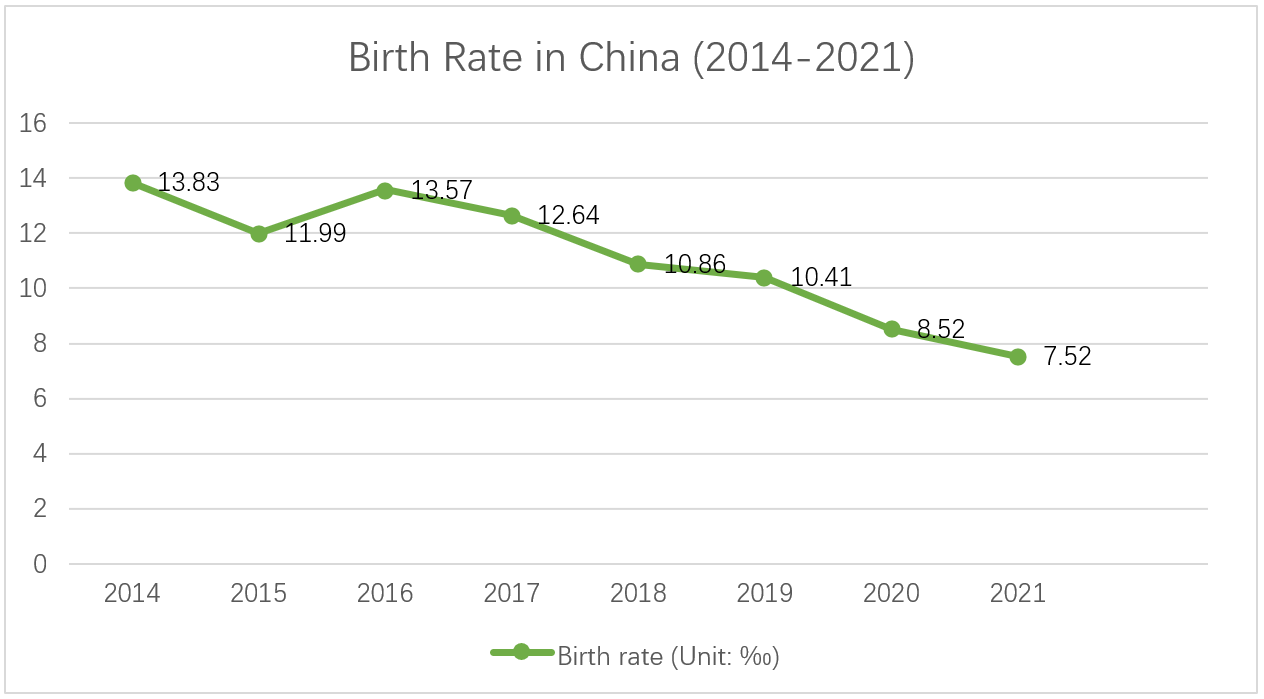
Source: National Bureau of Statistics of China
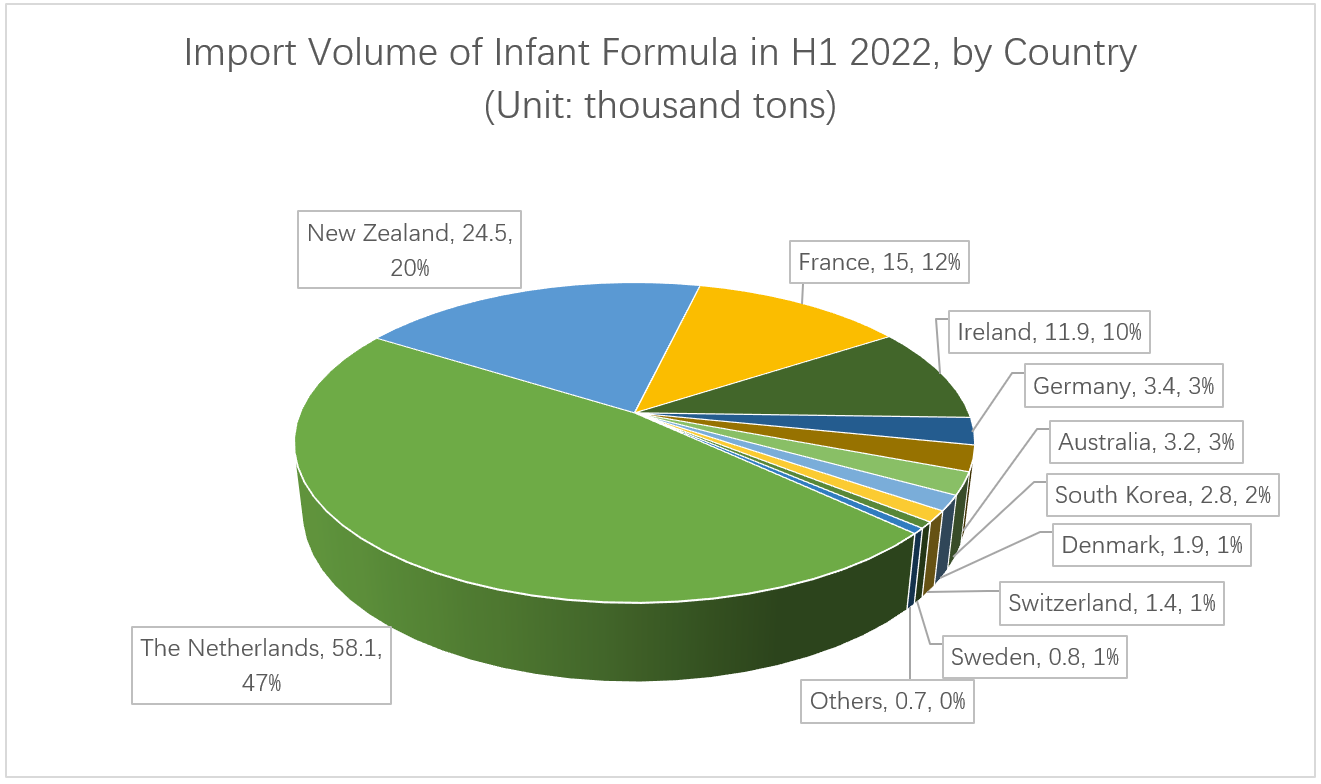
By country—As for the major trading partners, the Netherlands and New Zealand are the top 2 countries selling the most infant formula products to China, accounting for 67% of the total import volume in H1 2022.
Dairy (Excluding Infant Formula)
In H1 2022, the import volume of all kinds of dairy products fell at different degrees. Experts attributed the decline to multiply factors, including the sufficient milk source in China’s domestic market, the excess import amount of dairy in 2021, and the high price of international dairy products. Below is the performance of each category.
Liquid milk and cream
The import performance of milk and cream has to be analyzed together as they share the same HS code. In H1 2022, 539 thousand tons of liquid milk and cream were exported to China, a drop of 18.6% over the same period last year.
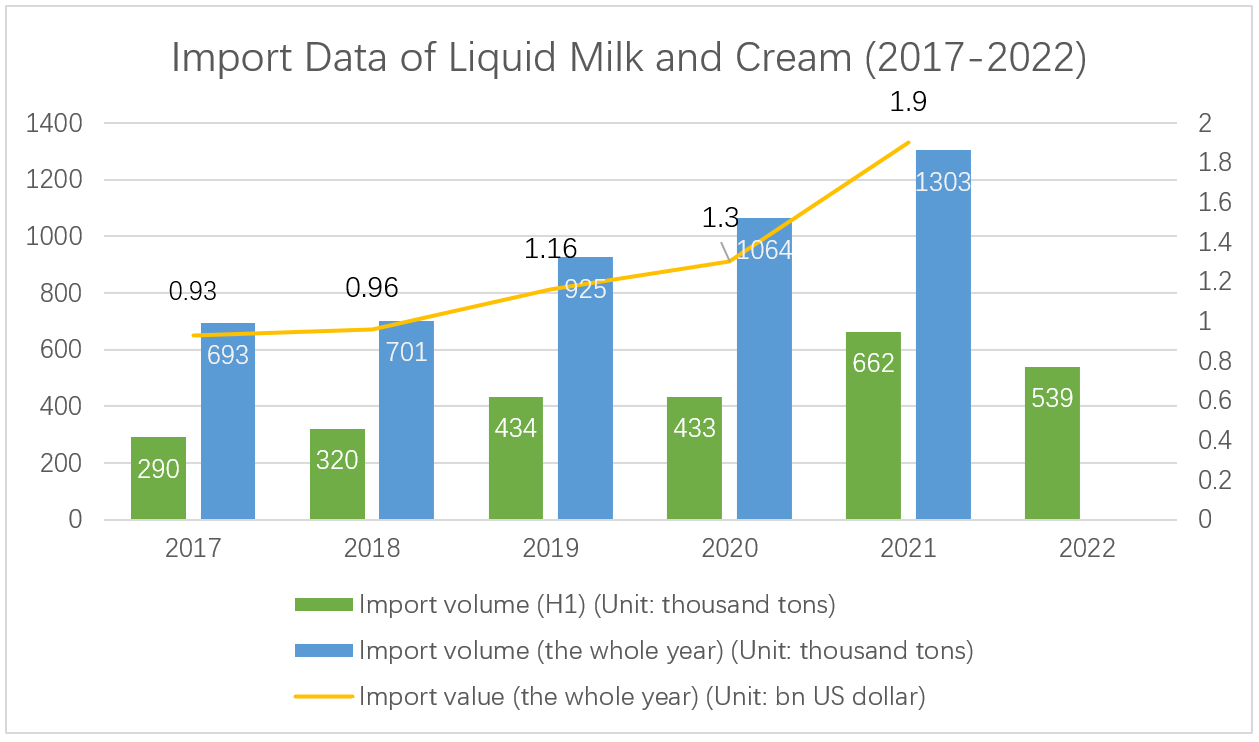
Involved HS code: 04011000, 04012000, 04014000, 04015000, 04029100, 04029900
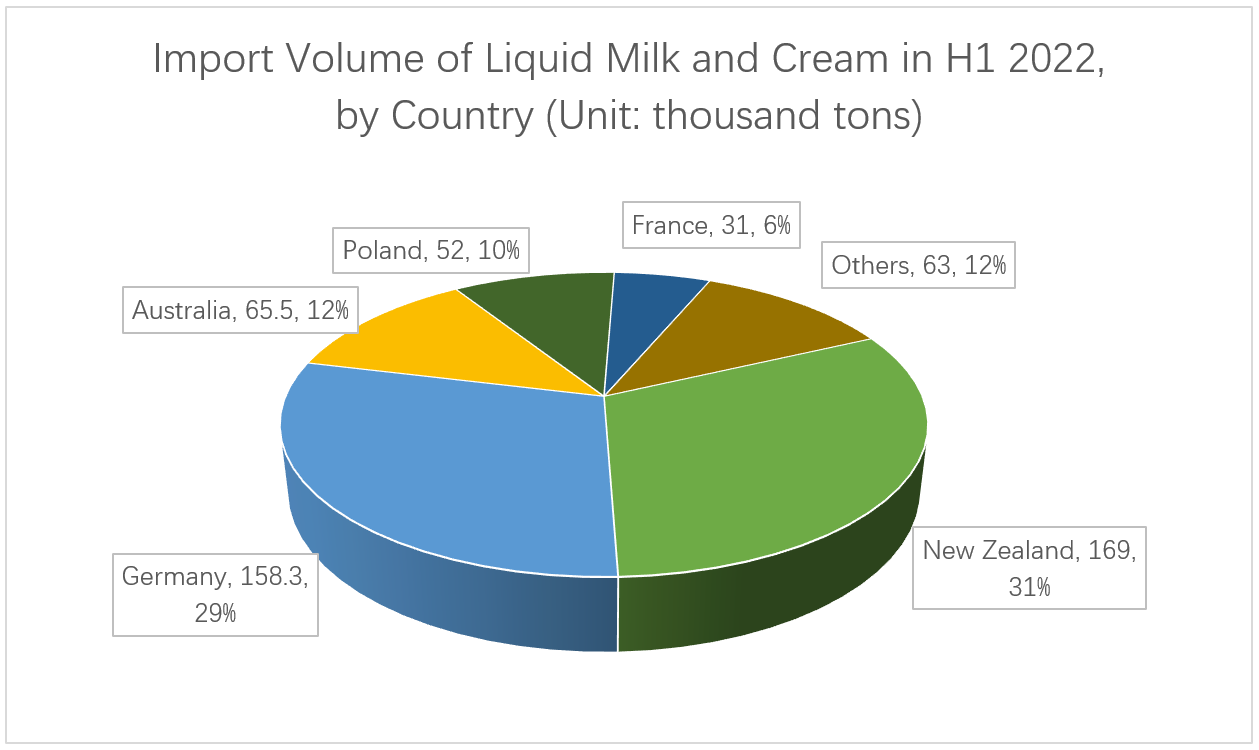
By country—88% of liquid milk and cream are from the top 5 leading countries, namely, New Zealand, Germany, France, Australia, and Poland. In H1 2022, the import value of liquid milk & cream from New Zealand took over 46% of the total import, which accounts for the most giant share.
Milk and Cream in Solid Forms
As for the performance of milk and cream in solid forms (including power, granular, etc.), the import volume in H1 2022 decreased by 12% from that of last year.
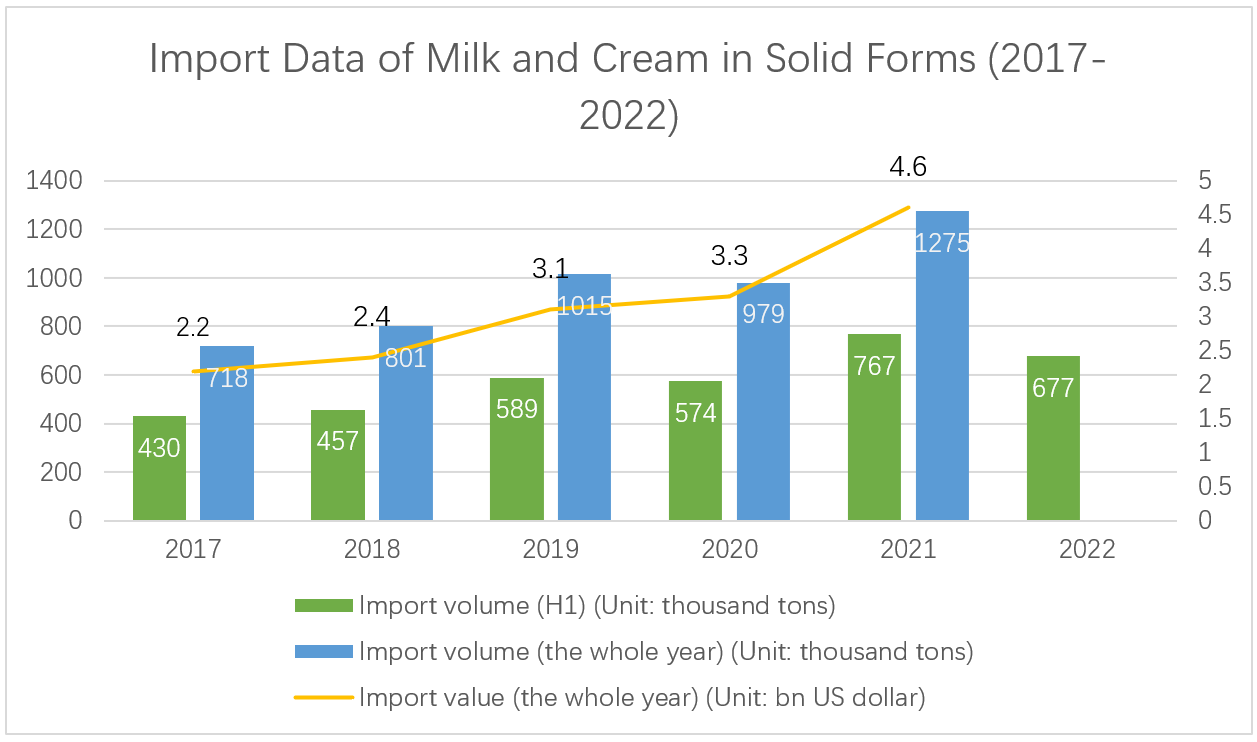
Involved HS code: 04021000, 04022100, 04022900
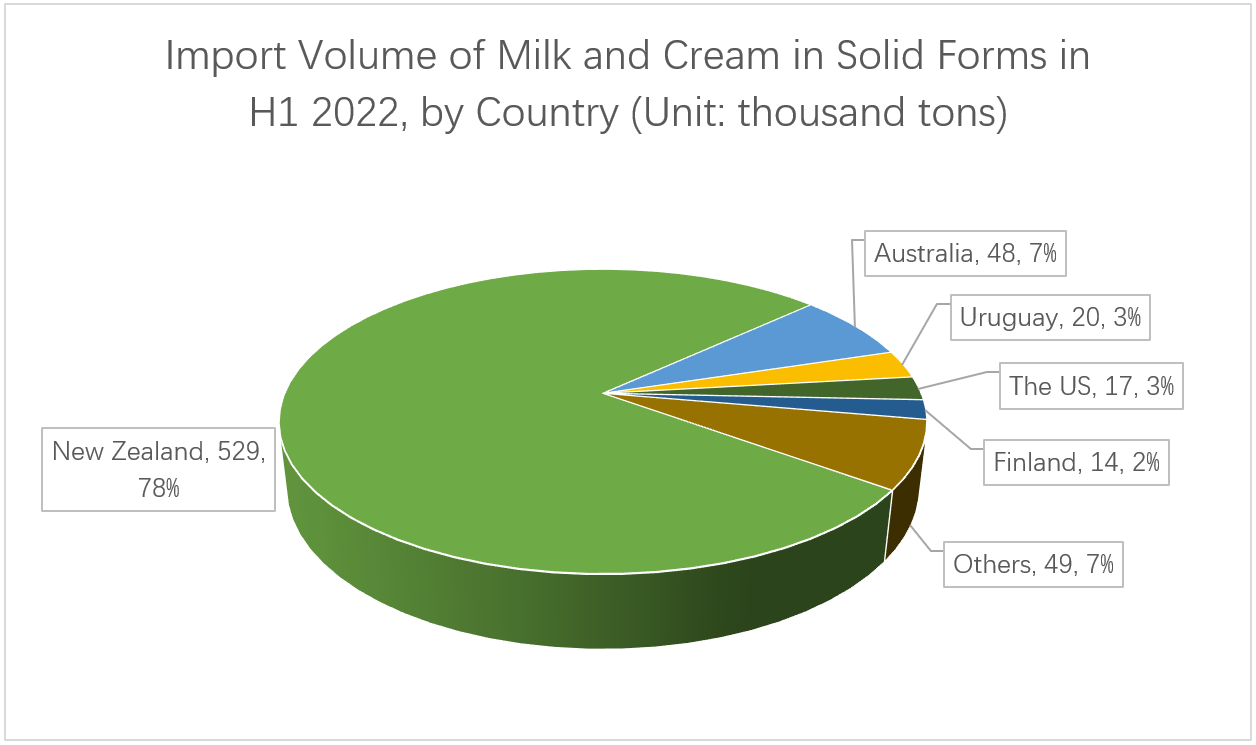
By country—Regarding the import volume of milk and cream in solid forms, New Zealand, Australia, Uruguay, the US, and Finland are the top 5 exporters in H1 2022. Among all the countries, 78% of milk and cream in solid forms was from New Zealand, totaling up to 2 billion US dollars.
Butter
The performance of butter in H1 2022 remained stable compared to the last tear. In H1 2022, China imported 57 thousand tons of butter, totaling up to 346 million US dollars.
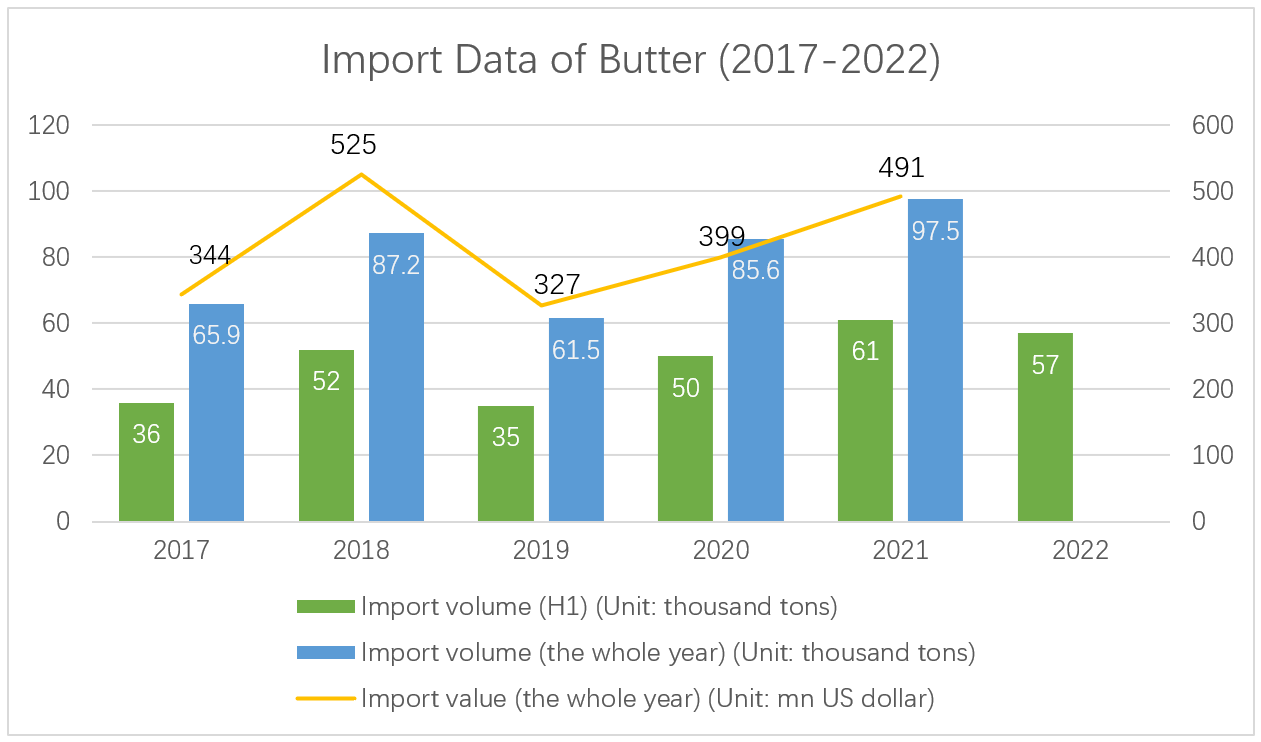
Involved HS code: 04051000
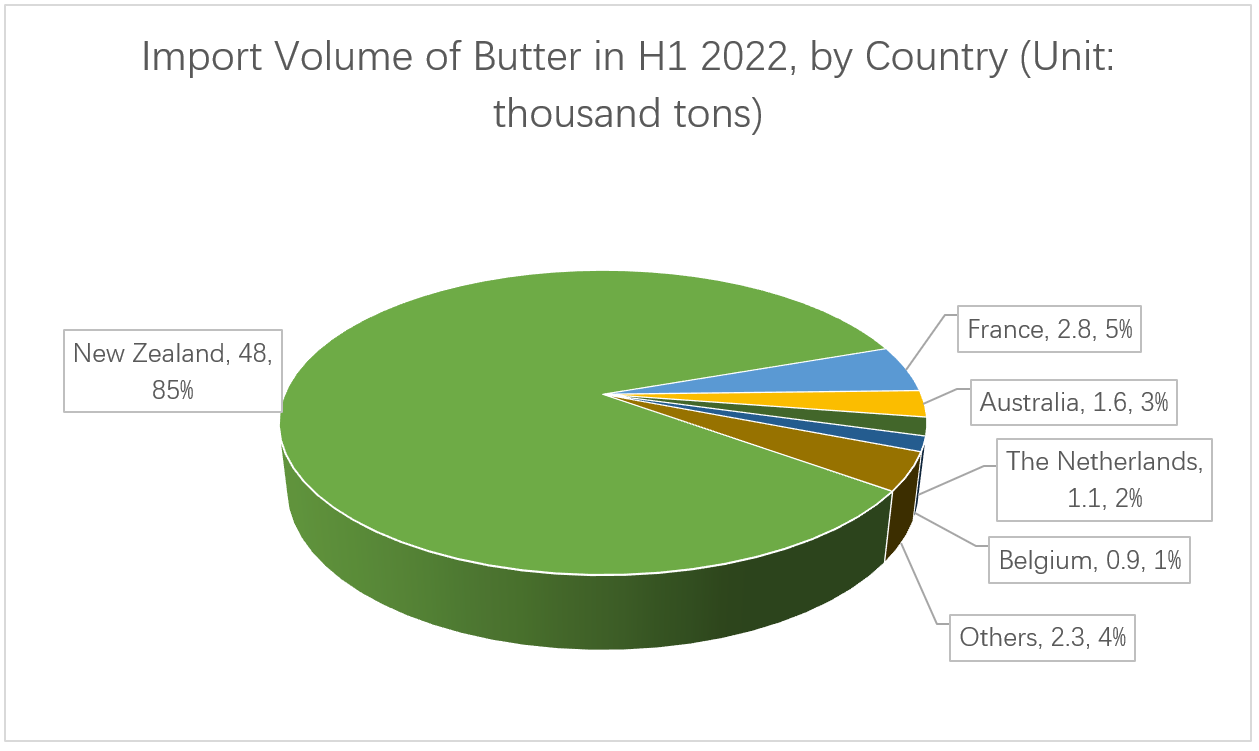
By country—Among all countries of origin, 85% of imported butter is from New Zealand with an import value of 287 million US dollars, then followed by France, Australia, the Netherlands, and Belgium.
Cheese
The import volume of cheese in H1 2022 was down 19.6% from the same period of last year, but was still 26% higher than that of H1 2020.
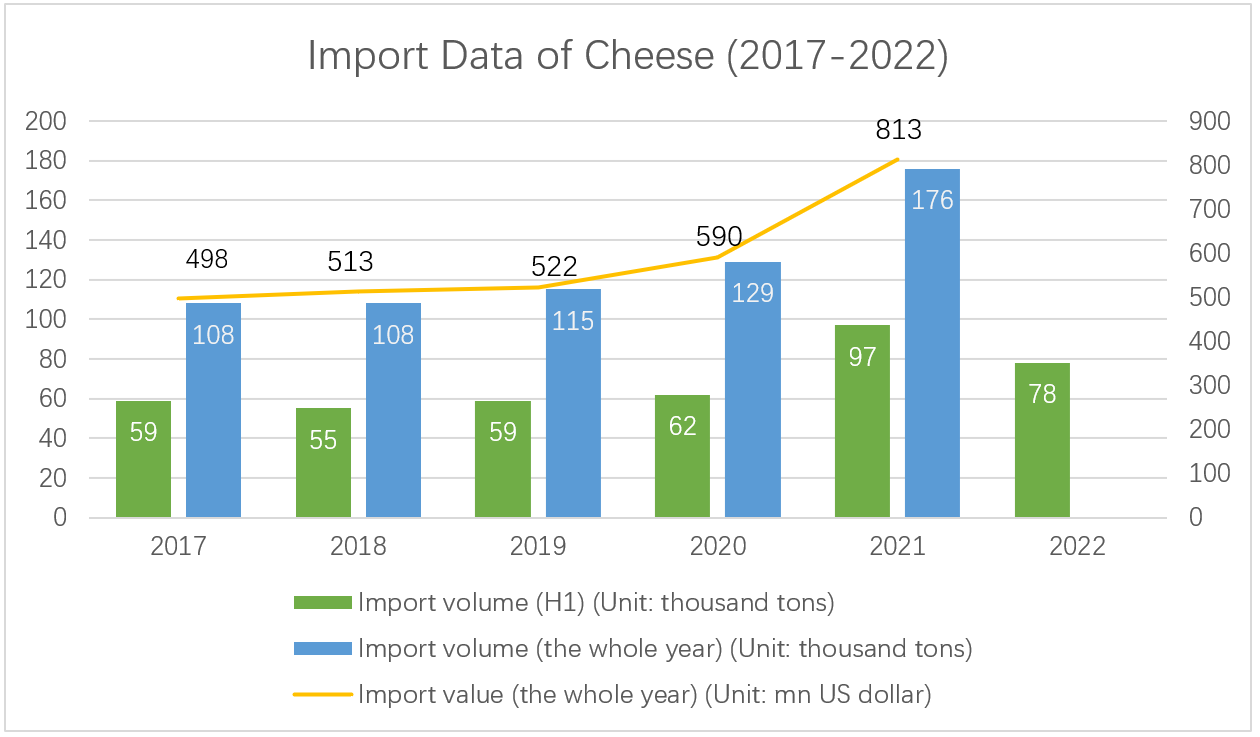
Involved HS code: 04061000, 04062000, 04063000, 04064000, 04069000
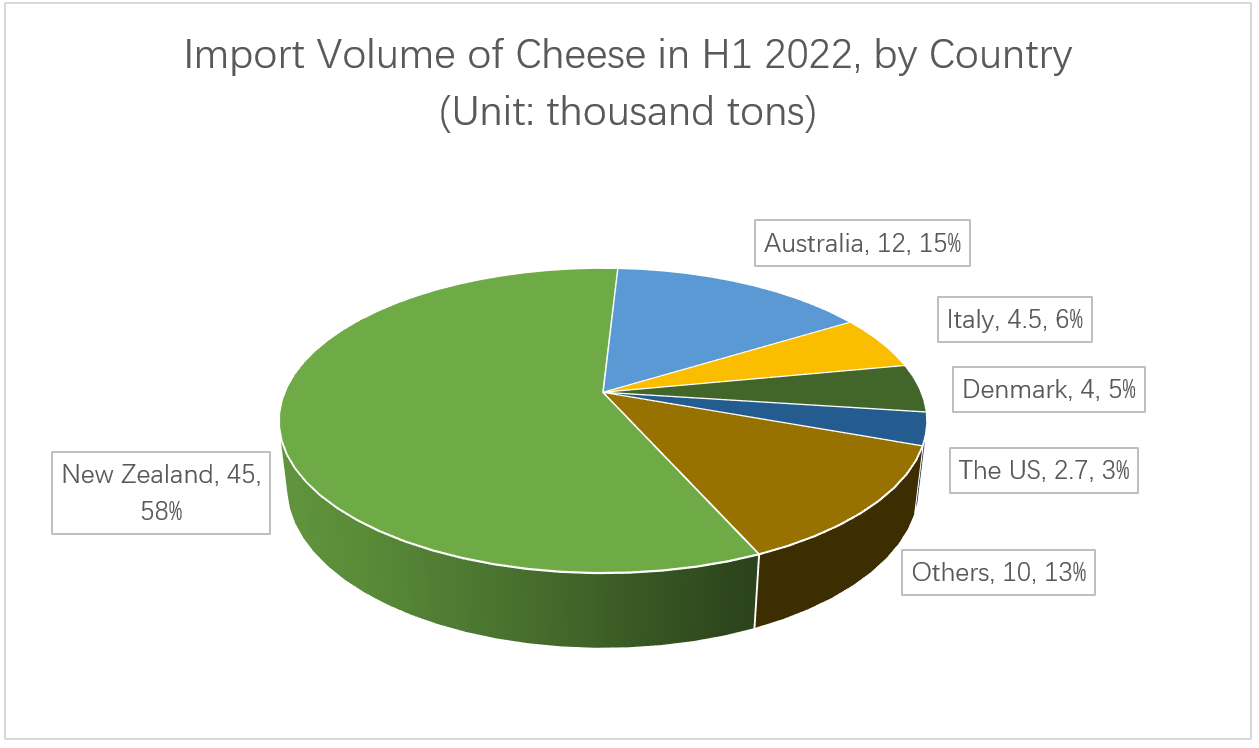
By country—Just like other dairy categories, New Zealand is the largest country of origin selling cheese products to China. In H1 2022, New Zealand traded 45 thousand tons of cheese to China, with an import value of 221 million US dollars.
Although the import performance of all dairy categories is declining this year, from a long-term perspective, experts from the Market Early Warning Commission of China’s Ministry of Agriculture and Rural Affairs (MOARA) predicted that the import volume of dairy (calculated as raw and fresh milk) would reach 30.99 million tons in 2026 and 35.86 million tons in 2031. New Zealand, the EU, and the US will still be the major exporters. The import volume of dairy products from South American countries will increase.
Meat
Pork
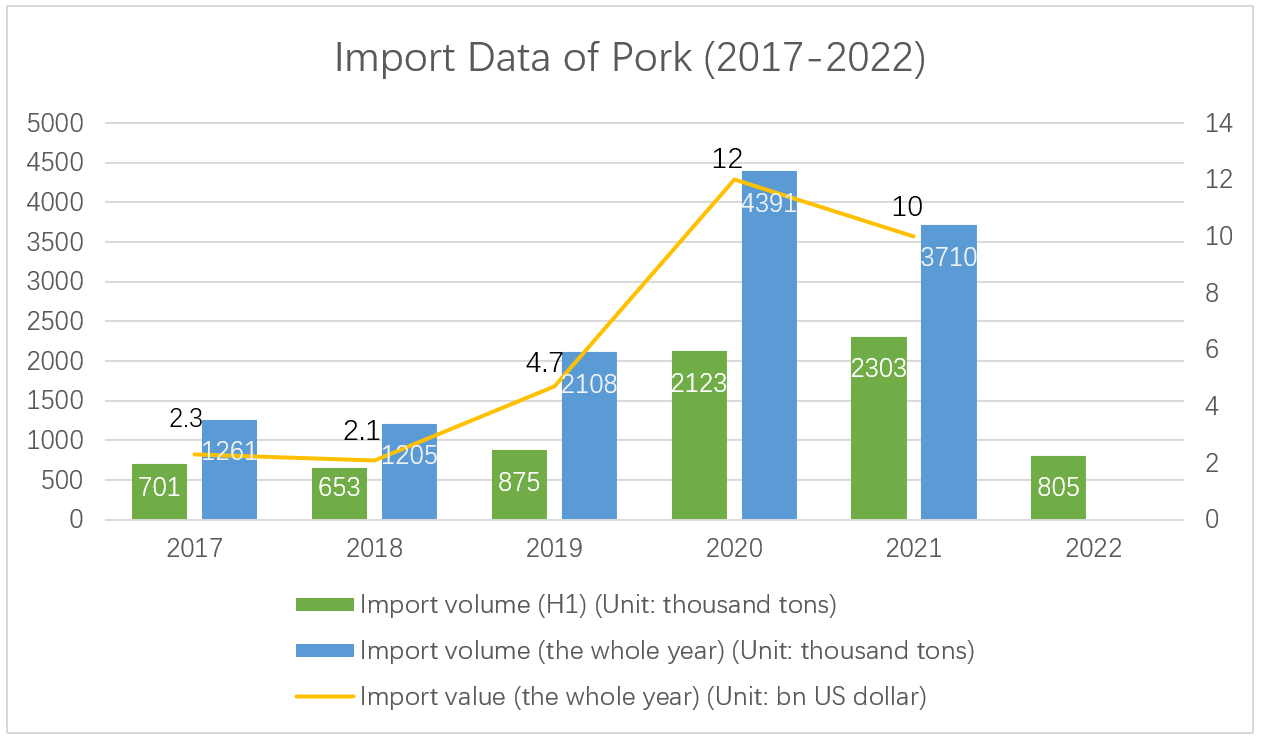
Due to the increasing pork supply in China’s domestic market, the import volume of pork declined sharply in H1 2022. Predicted by MOARA experts, the import volume of pork would be around 2,500 thousand tons in the whole year of 2022. Along with the increase in Chinese domestic pork supply in the future, the import volume is expected to be over 2,000 thousand tons before 2026 and will drop to 1,200–1,500 thousand tons around 2026-2031.
Involved HS code: 02031190, 02031200, 02031900, 02032110, 02032190, 02031110, 02032200, 02032900, 02091000, 02101110, 02101190, 02101200, 02101900
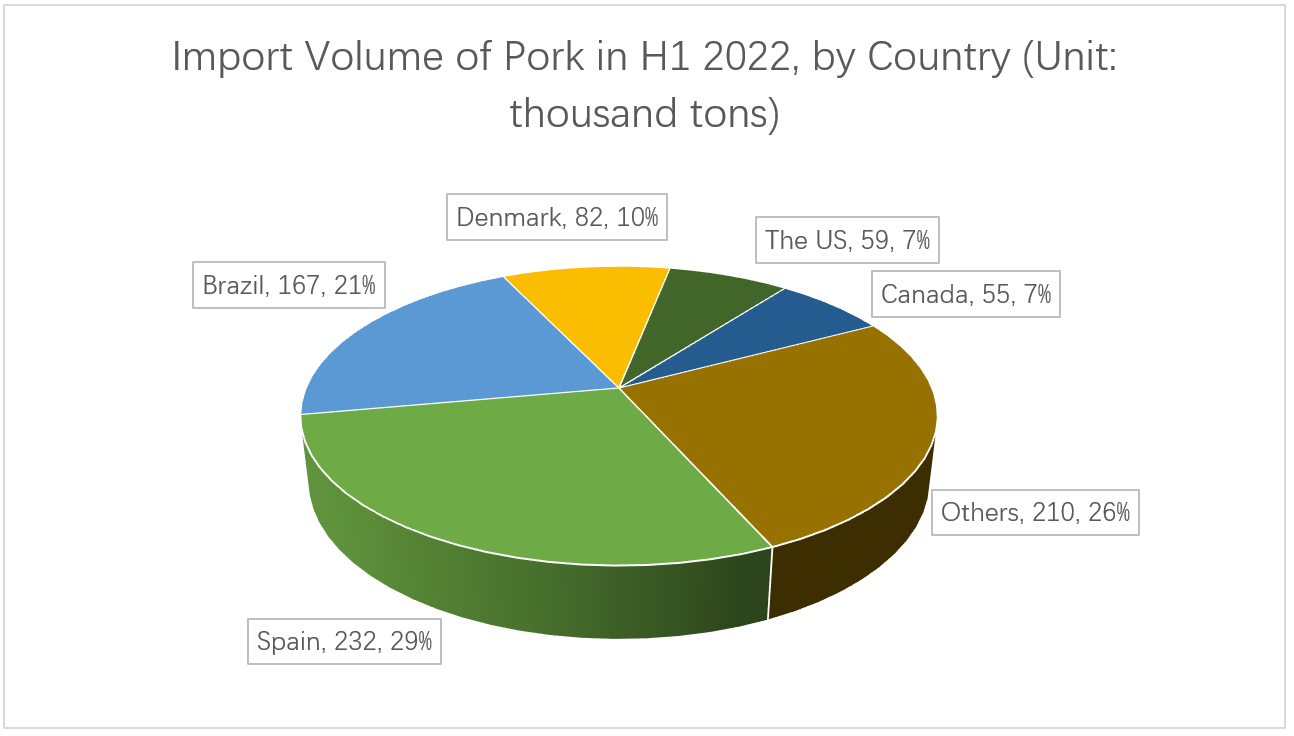
By country—Spain, Brazil, Denmark, the US, and Canada are the top 5 exporters of pork to China in H1 2022. Among them, the import volume from Spain and Brazil accounted for 50% of the total pork import.
Beef
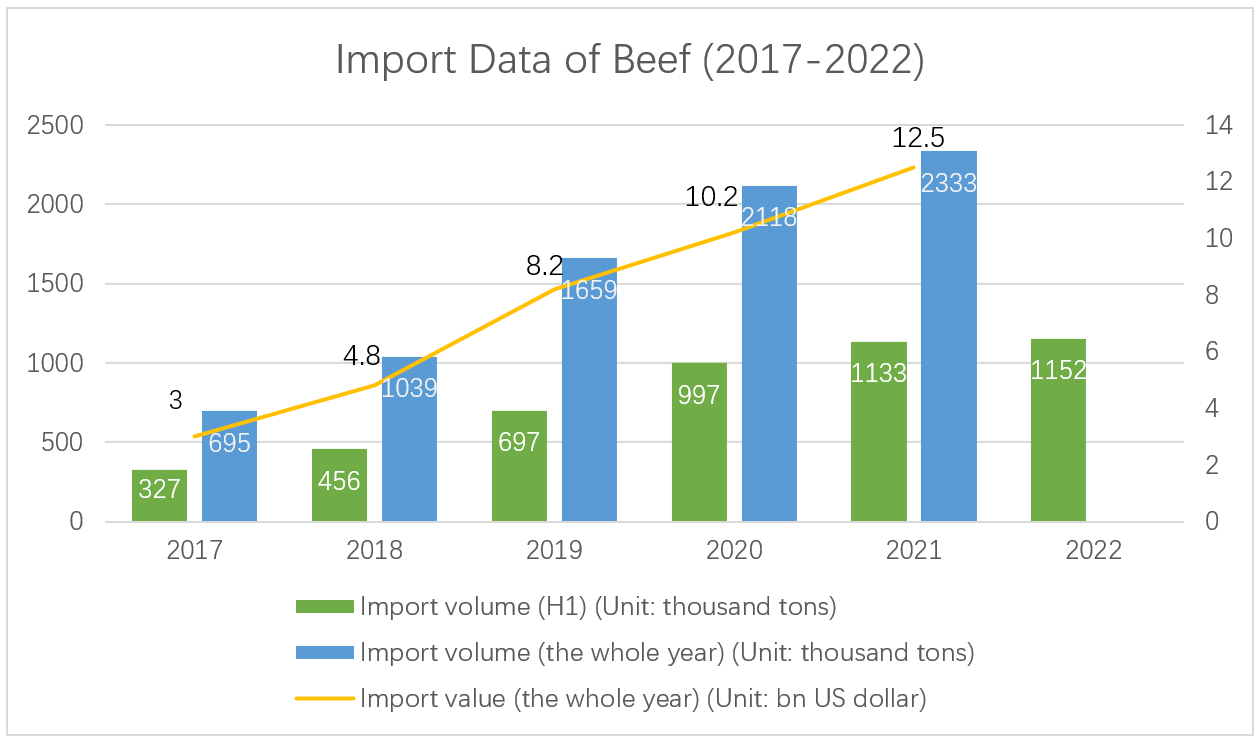
Different from pork, the import volume of beef took on an upward trajectory. MOARA experts estimated that the import volume of beef will reach 2,420 thousand tons in 2022, and 2,840 thousand tons in 2031.
Involved HS code: 02011000, 02012000, 02013000, 02021000, 02022000, 02023000, 02102000
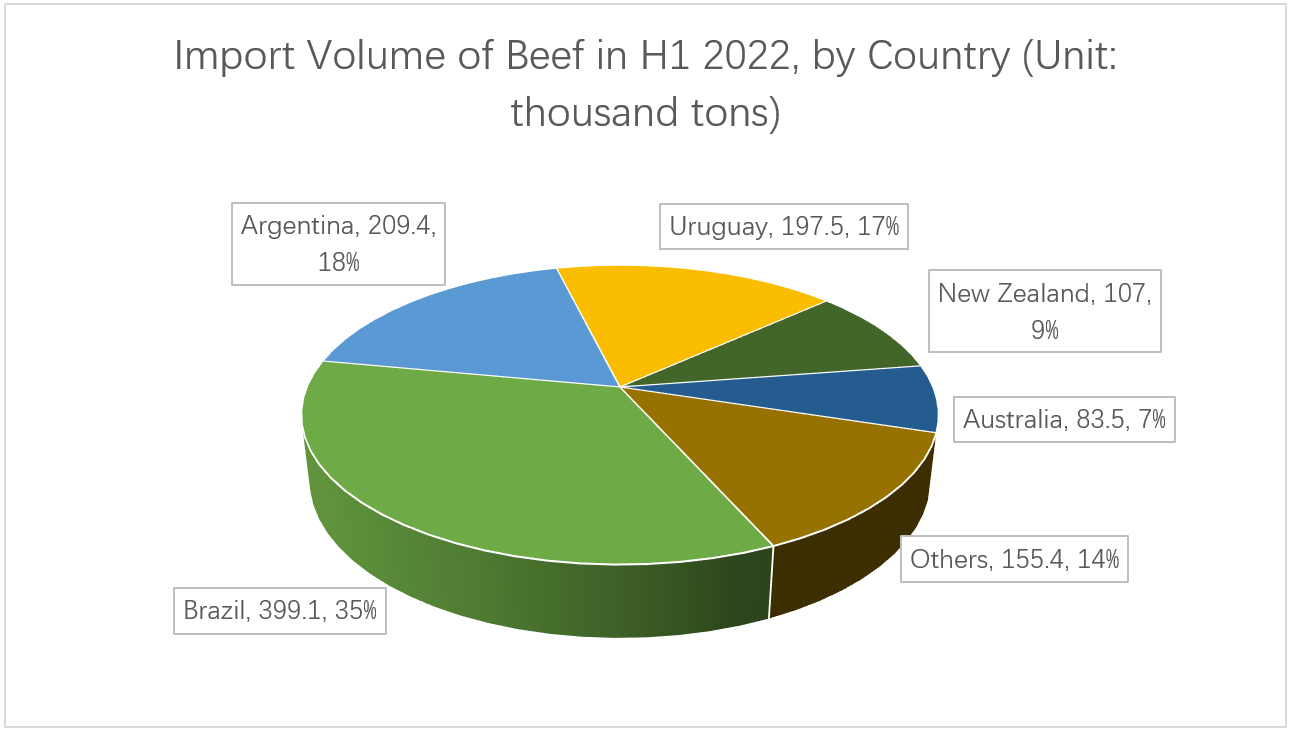
By country—In terms of the import volume of beef, Brazil, Argentina, Uruguay, New Zealand, and Australia are the top 5 exporters in H1 2022. The import from Brazil and Argentina accounted for 53% of the total beef imports.
Fruit
In 2021, the import value of the top 20 fruit categories accounted for 93% of the total fruit imports in China. (Read the list of top 20 fruit categories in "Impacts of RCEP Agreement on China’s Imported Fruit Industry") The top 10 fruit categories took over 82% of the total fruit imports, among which “08106000 fresh durian” and “08092900 other fresh cherries” summed up 44% of the total import value. Hence, in the fruit category, we choose to analyze the import performance of fresh durian and fresh cherries as examples.
As we can see below, both two subcategories show an increase in the import volume in H1 2022. Zhang Juan, a researcher from Shanghai University of International Business and Economics, predicted that the implementation of the RCEP agreement will boost fruit imports through tariff reduction and customs clearance facilitation, including these two subcategories. In H1 2022, all imported fresh durian was from Thailand. As for fresh cherries, among the 6 countries of origin, RCEP member countries took two positions, namely, New Zealand and Australia.
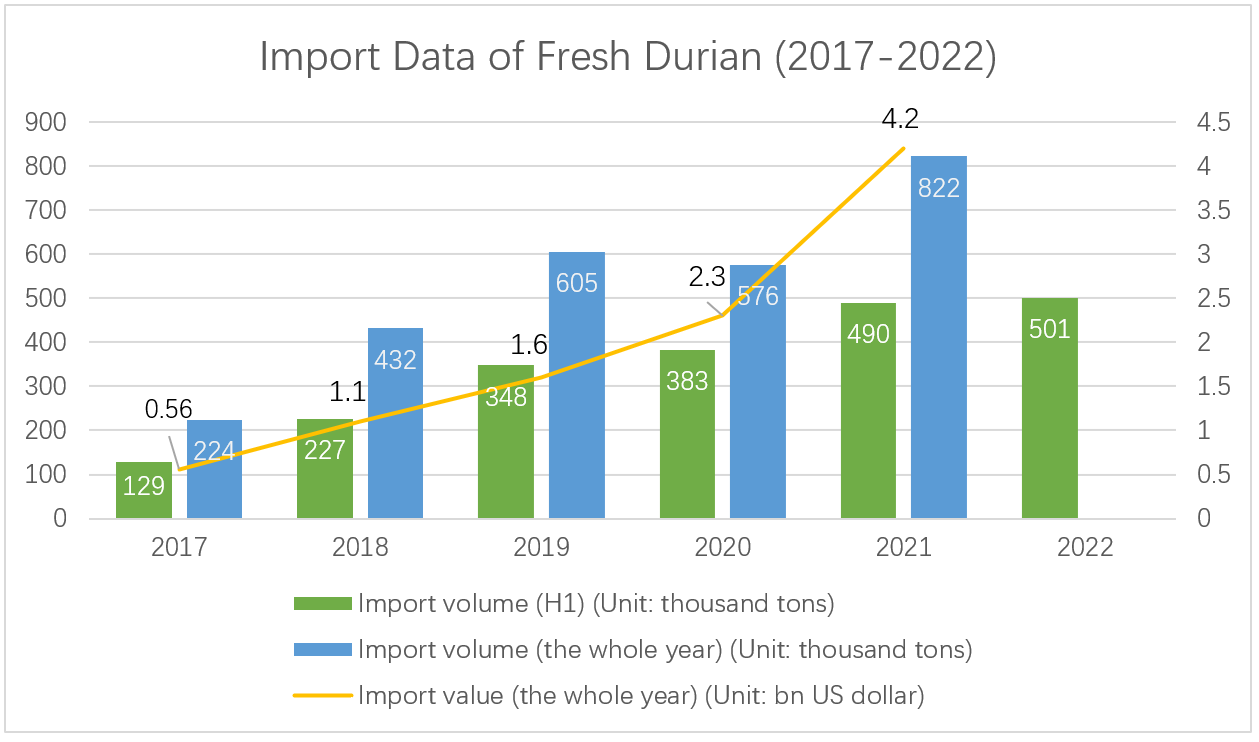
Involved HS code: 08106000
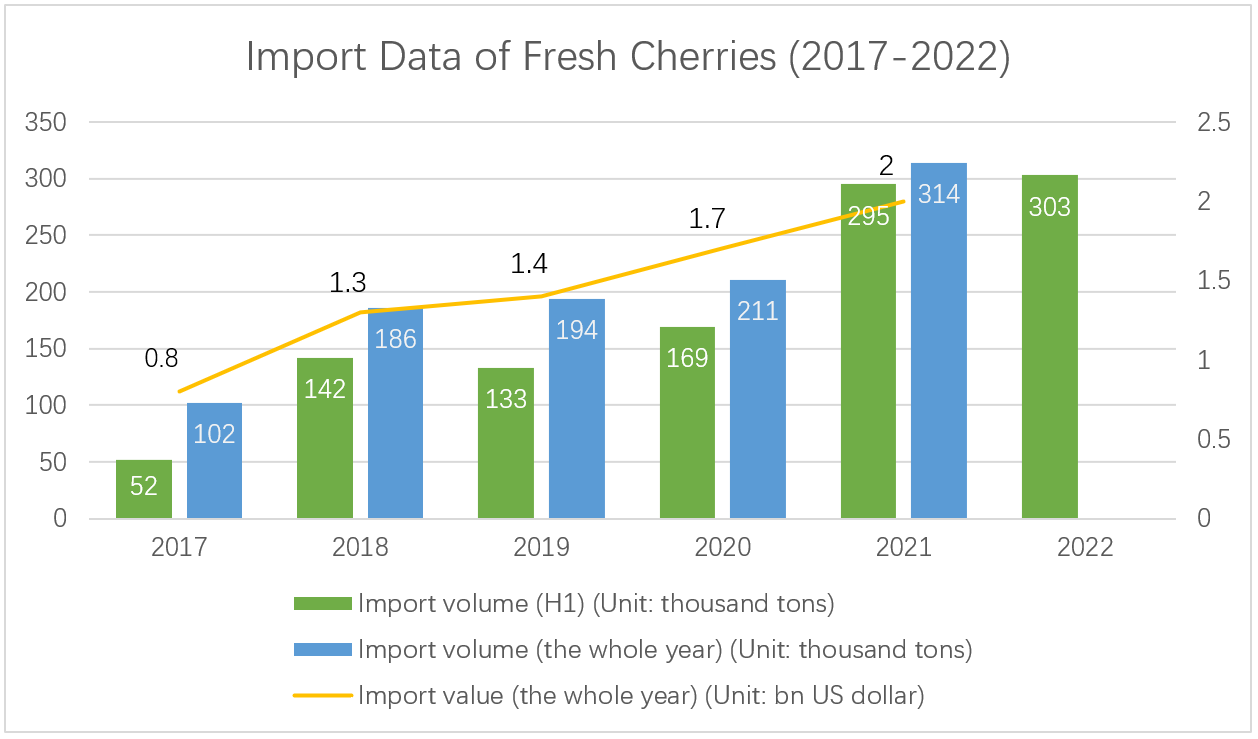
Involved HS code: 08092900
Alcoholic Drinks
The import performances of wine, beer, and liquor are different. Wine imports dropped quickly from 2017 to 2022, shrinking by over 40%. Why the imports drop so sharply?
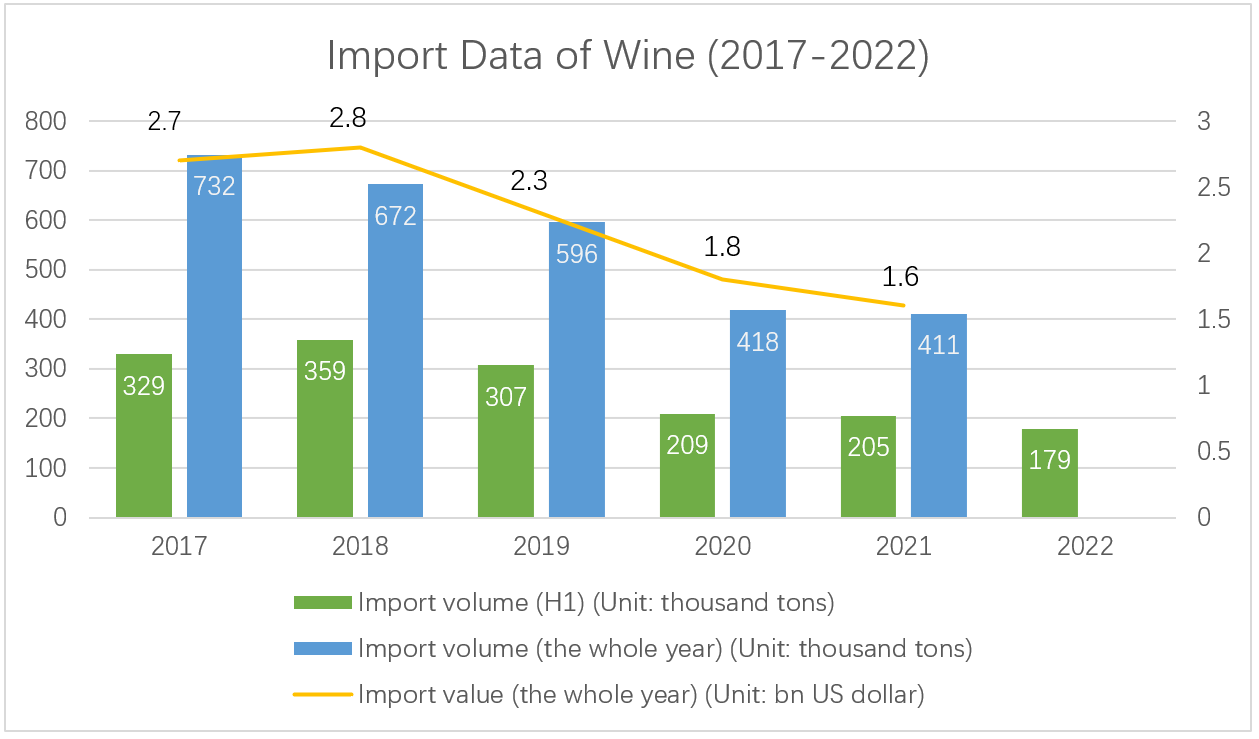
Involved HS code: 22042100, 22042200, 22042900
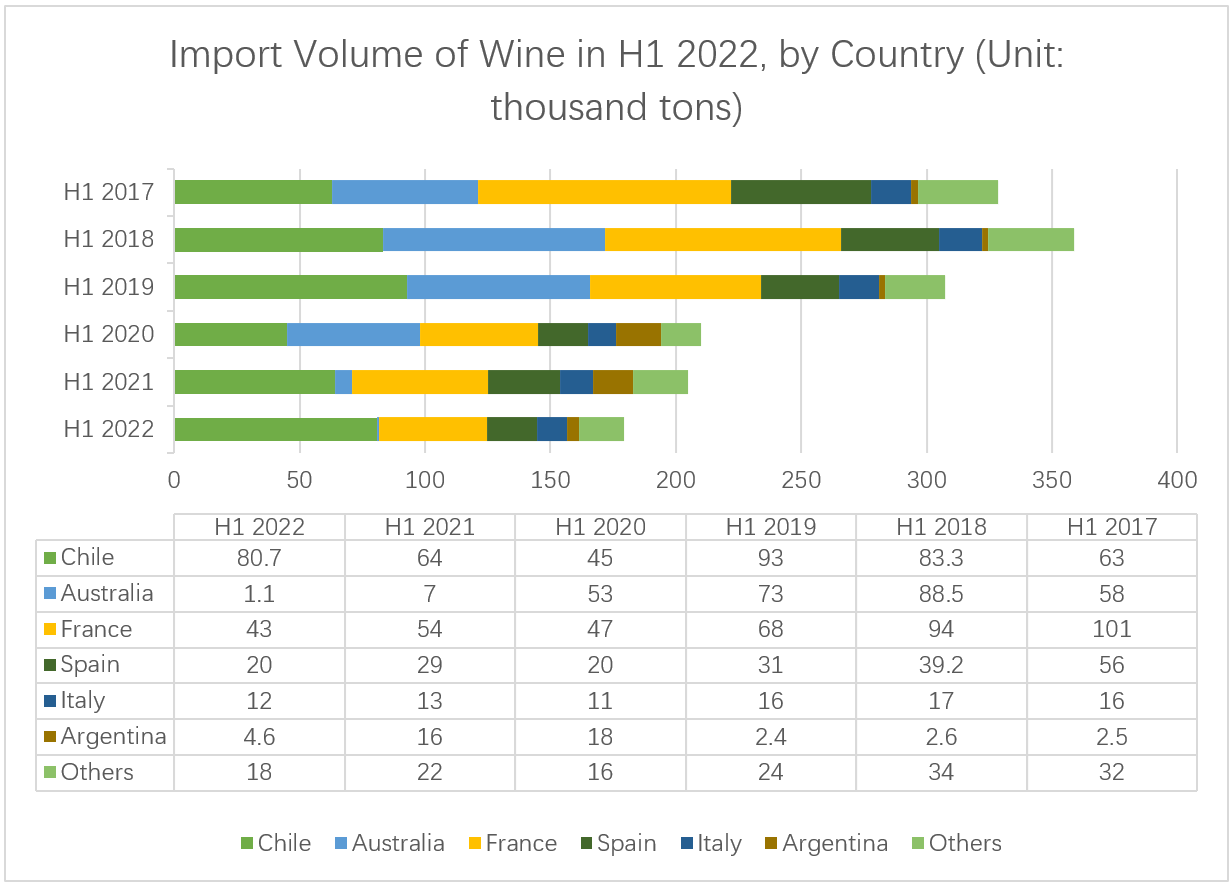
In H1 2022, Chile, France, Spain, Italy, and Argentina are the top 5 exporters. The below will analyze the import decrease based on the performance of these five countries and an extra country, Australia.
After taking a closer look at the data of each country, the decrease of Australian wine (influenced by China’s anti-dumping duties in 2021) is a significant factor influencing the total wine imports. Moreover, due to the economic situation, wine imports from Argentina also decreased in H1 2022. Except for Chile, wine imports from other major countries were all sinking at some degree. The wine imports from France and Spain in H1 2022 were only less than 50% of that in H1 2017. Industry insiders assume that the shrinkage of the import wine market was due to multiple reasons, such as COVID-19 control measures for bars, the shifting of consumption structure (e.g., young consumers' increasing consumption of liquor challenging the market share of wine), and the increasing competitiveness of domestic wine in China.
Compared to wine, the import performance of beer was relatively stable. Although the import volume decreased in the past years, high-end beer product was becoming a trend in 2020. Insiders indicated that pandemic is the major influence factor on the beer industry since the sales of beer products are strongly connected with the catering industry. But of course, the increasing competitiveness of domestic beers (such as Tsingtao beer) in China is also a deterrent to the import beer market.
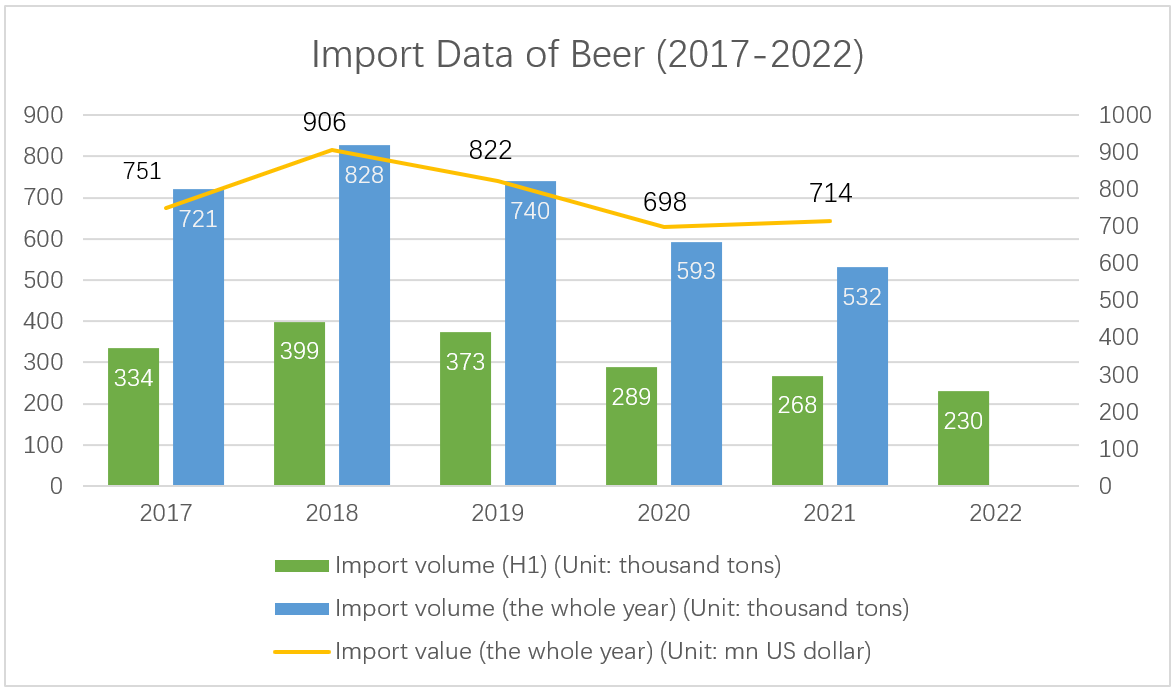
Involved HS code: 22029100, 22030000
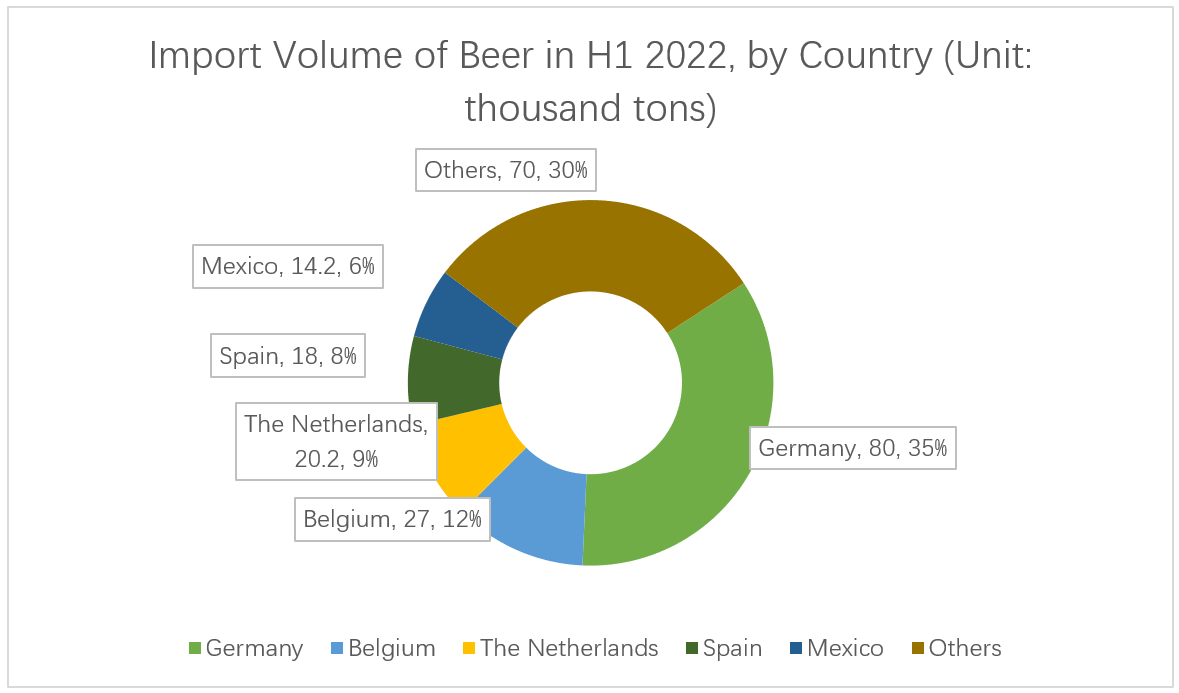
Germany and Belgium are the top 2 exporters of beer products, which accounted for around 50% of the total beer imports.
As for liquor, it displayed an upward trend and was regarded as a promising trend by the industry.
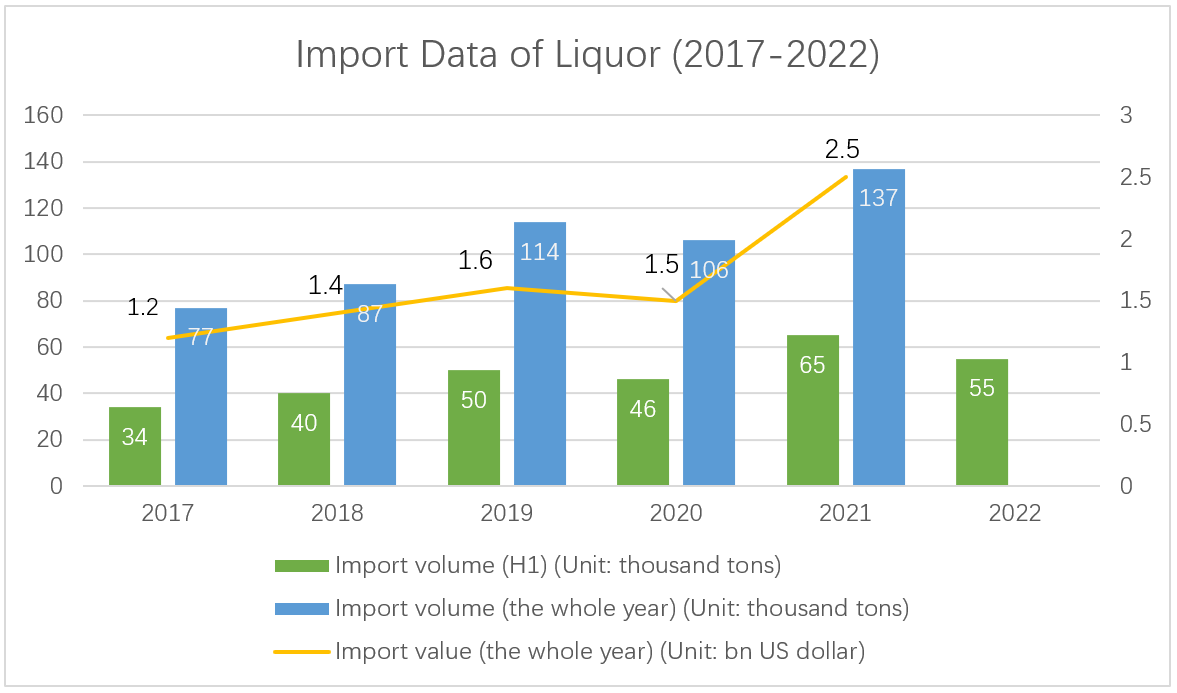
Involved HS code: 22082000, 22083000, 22084000, 22085000, 22086000, 22087000, 22089010, 22089020, 22089090
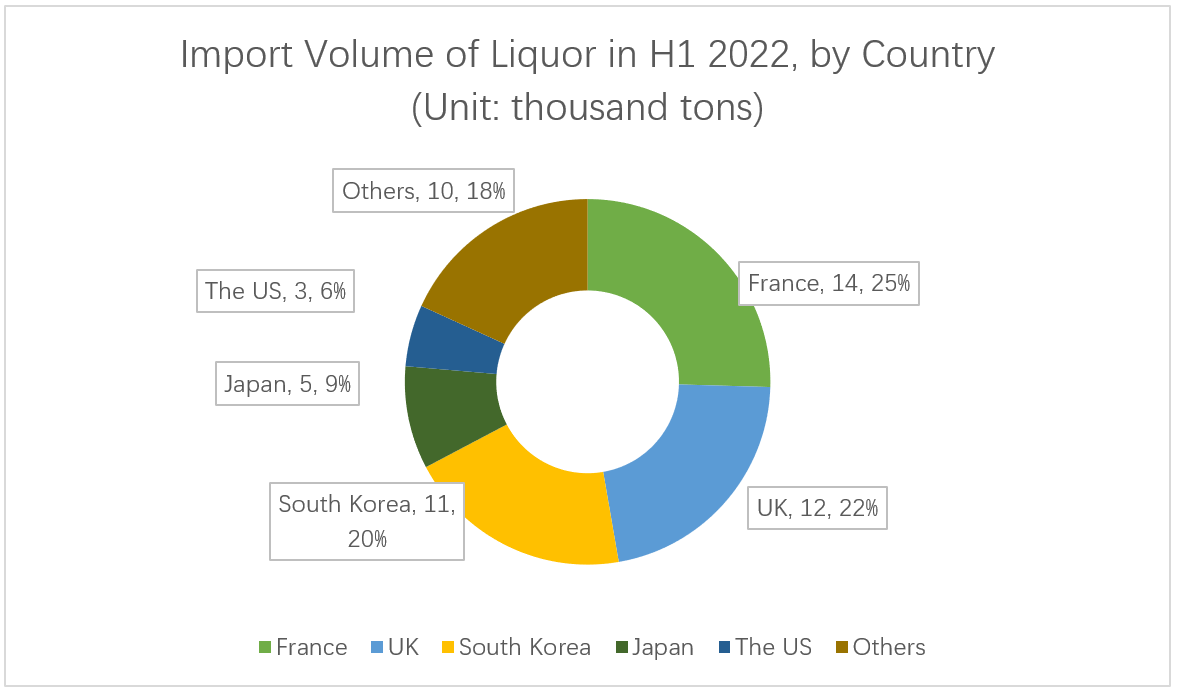
In H1 2022, France, UK, South Korea, Japan, and the US are the top 5 exporters.
For a customized market research report on the food industry in China, please email [email protected].

 We provide full-scale global food market entry services (including product registration, ingredient review, regulatory consultation, customized training, market research, branding strategy). Please contact us to discuss how we can help you by