Request a Demo
As revealed by the official notice [1], Taiwan amended the Health Food Safety Assessment Method [2] on Dec 8, 2020, which came into simultaneous effect. The previous version released in 1999 [3] will apply to applications which are submitted within 2 years after the implementation of this Method.
The Method details the evaluation materials enterprises need to provide and requirements of relevant experiments during the review. Compared to the previous version promulgated in 1999, there are three major revisions.
1. Clarified the norms for experimental operation.
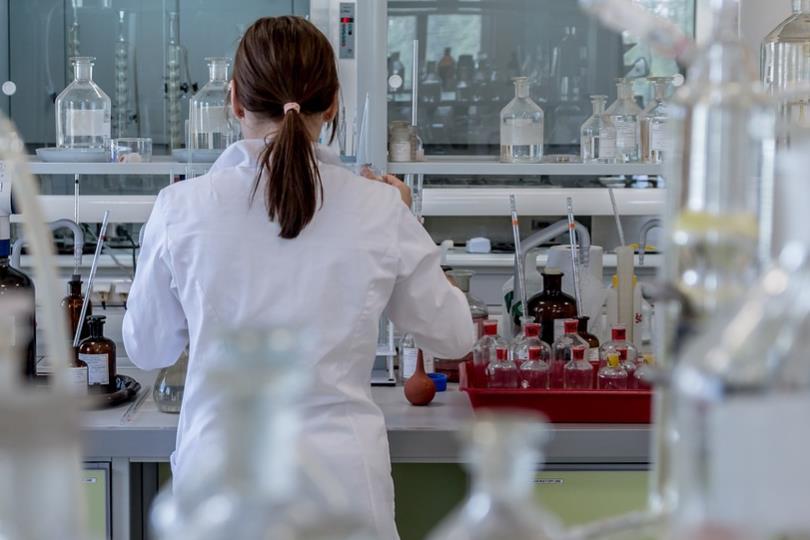
Experiments should be conducted based on Good Laboratory Practice for Nonclinical Laboratory Studies [4] released by Taiwan FDA or other Good Laboratory Practices (GLP) regulated in other countries or international organizations, which have been recognized by Taiwan’s competent authority. Moreover, before the animal testing, the operation unit should pass the review conducted by the Institutional Animal Care and Use Committee (IACUC). The operation of animal testing should also comply with the Guideline for the Care and Use of Laboratory Animals [5].
2. Added requirements of experiment operators, animal feeding test, etc.; revised experiment methods, including requirements of histopathological examination, etc. For example,
Laboratory animals that undergo the testing should be under the condition of adequate nutrition;
Histopathological report should be deciphered by an experienced doctor with his/her signature on the report and should be attached with color images of the tissue section, etc.
3. Reduction of animal testing
Taiwan authority also emphasized that “3Rs” guidelines [6] should be followed during the assessment procedures. 3Rs refer to restrict the use of animals; refine experiments to minimize distress; and replace tests with alternative techniques.
Replace: besides the assessment items and methods listed in this Method, enterprises should also follow the Guidelines for the Testing of Chemicals [7] issued by OECD (Organization of Economic Cooperation and Development) and prioritize non-living animal testing that are recognized worldwide.
Reduce and refine: It’s forbidden to conduct the animal testing beyond this Method. When animal testing are necessary, enterprises should restrict the use of animals and refine experiments to minimize distress. For example,
To products that need to undergo genotoxicity test, the analysis of gene mutation in bacteria and in vitro mammalian cell genotoxicity should be conducted first. Once they display positive testing results, then such products are considered non-compliant of health food requirements. Hence it is unnecessary to conduct the animal testing.
To products that need to receive both teratogenicity study and reproduction study, enterprises should integrate the two experiments into one based on the guidelines released by OECD to reduce the use of laboratory animals.
For the English version of this regulation, please email [email protected] for translation service.
 We provide full-scale global food market entry services (including product registration, ingredient review, regulatory consultation, customized training, market research, branding strategy). Please contact us to discuss how we can help you by