Request a Demo
China's most demanding infant formula regulation/market access requirement to date i.e. its new formula registration policy was made a mandatory requirement on Jan 1st 2018 after an extended grace period. The regulation stipulates that each manufacturing facility can only market 3 product lines in China. Under this regulatory environment, infant formula enterprises are exploring new ways to increase their competitiveness and garner traction amongst China’s increasingly discerning consumers. During the Food &Beverage Innovation Forum 2018 (FBIF 2018) held in Shanghai from 4.18-4.20.2018, Zhu Hong (general manager of R&D center) from Junlebao Dairy Group and Xie Qinggang (R&D manager) from Feihe Dairy shared their opinions on how to realize infant formula innovation in China.
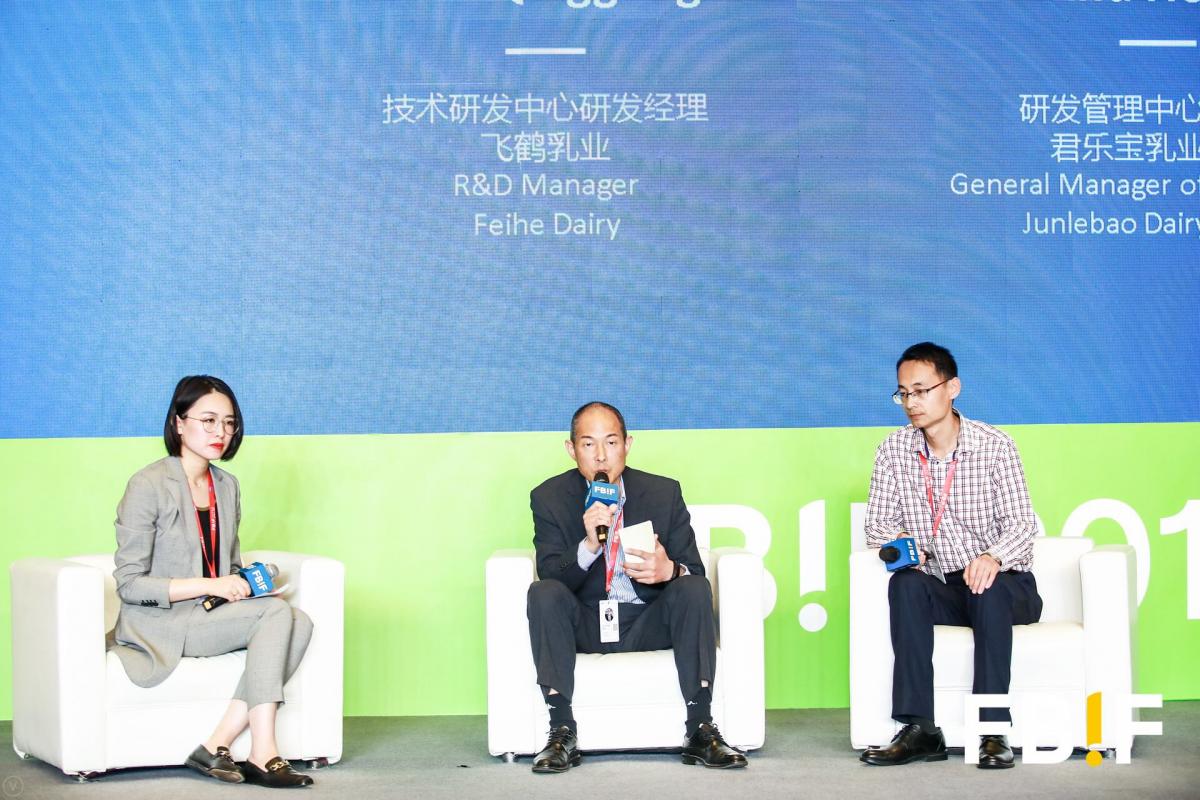
Host: Breast milk is the gold standard for infant nutrition, how can we create products which mimic infant formula and what advice can you offer on formula design and R&D?
Mr. Xie: The key area is use of ingredients which mimic the components of breast milk in the same relative proportions. Although we consider breast milk as the gold standard during manufacturing, we must also operate within the constraints and limitations imposed by regulation and standards. Therefore during formula development and R&D we attempt to balance these two issues while still developing state of the art products. The next important factor to consider is the interplay between breast milk and infant physiology and how we can closely mimic this relationship with manufactured formula. We must consider how it is digested, absorbed and utilized within the infant and also consider the specific health functions of mandatory macro and micronutrients in addition to considering the physiological benefit of optional ingredients.
Host: In 2016, CFDA (previous) issued the infant formula registration policy, setting a higher market entry bar in terms of product quality and safety compliance. How do you think the raised threshold affects production capacity and product requirements?
Mr. Zhu: I believe the new regulations are a good measure to bolster the supervision of infant formula quality and safety, which is now approaching the same stringency as pharmaceutical regulation. Only a powerful enterprise can survive in the fierce competition, and safety and high-quality can be finally provided to our consumers. Junlebao is thriving in this new era of infant formula in China.
Host: The new policy also set more stringent requirements on infant formula’s labeling, so is there any influence on raw materials, formula design and product promotion?
Mr. Xie: Raw material and formula must be compliant with related regulations and standards and these limitations are the biggest influence on manufacturing. Labeling requirements also indirectly influence product quality and formula design. Labeling design is more simplified and normative due to the new requirements, so it is hard to attract consumers by your product package only. Finally, it turns to a battle of product quality. It urges enterprise to improve competitiveness by development of more advanced formula, better raw materials, state-of-the-art production technology etc.
Mr. Zhu: I totally agree with Mr. Xie’s opinion. In addition, I think it can lead consumers to make more informed choices based on their own needs without being swayed by vague marketing terminology. The latest labeling policy stipulated that disease prevention or health care function claims are prohibited on infant formula food labeling. If the product does have some functions, it can apply for the registration of infant formula food for special medical purposes. The labeling requirements can assist consumers to distinguish common infant formula food and infant formula with functions.
Host: How can enterprises improve product competiveness through innovation?
Mr. Xie: The core of a competitive product lies in its formula, raw materials, and supply chains, so enterprises can pay more attention to those significant aspects when it comes to innovation.
Mr Zhu: An important source of innovative ideas for Junlebao is cooperation with some dairy experts, and we have already set up an R&D center with Chinese Nutrition Society to help us in formula design. In addition, premium raw materials and advanced technology are applied in infant formula production. The key to remaining competitive does not lie in how many new formula you have designed, but whether you can consistently provide consumers with high-quality products.
In the panel discussion, those two experts also mentioned the use of new food raw materials in infant formula, such as HMO. They were optimistic about those materials. Regarding infant formula innovation and regulatory compliance, Chemlinked had further discussion with Mr. Zhu.
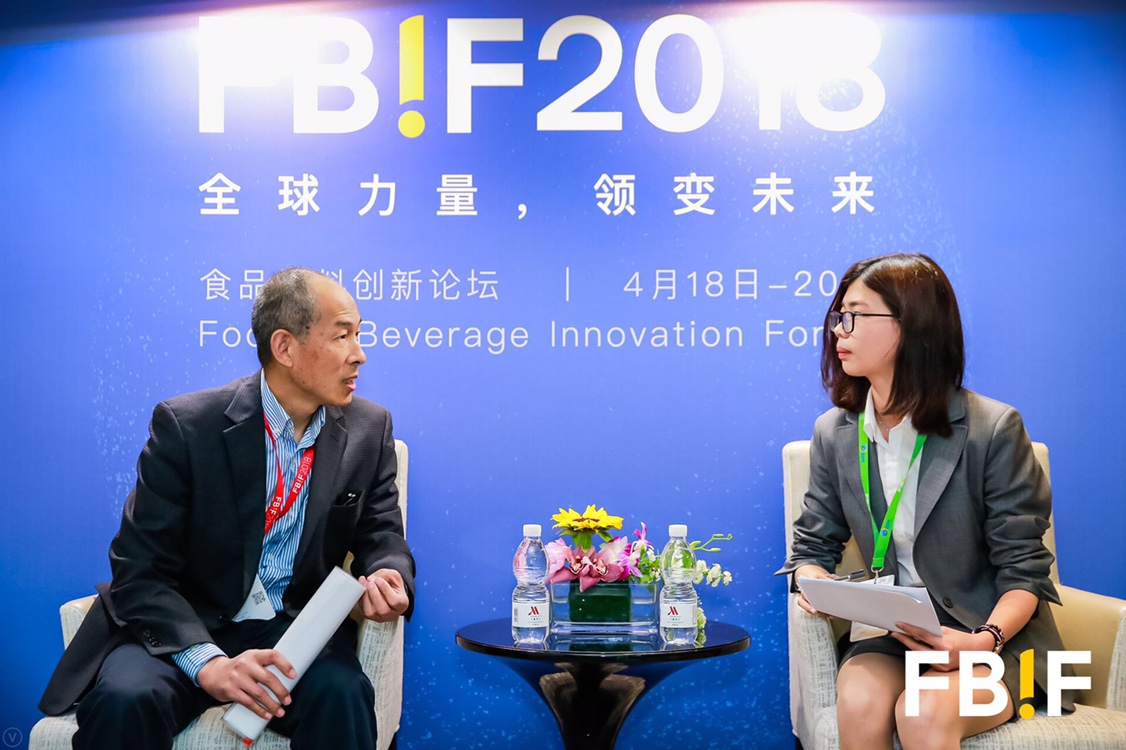
Chemlinked: Infant formula liquid milk (ready to consume packaged product) is quite popular in some developed countries, while it has not been widely accepted in the Chinese market, so what do you think of the trend of that product in China?
Mr. Zhu: Infant formula liquid milk is an innovative form of infant formula milk powder, which brings great convenience to consumers. For example, young mother can directly feed their babies at night with such prepackaged infant formula. Therefore, I believe this product will undergo huge growth in the next 5-10 years. We should also realize that infant formula milk liquid also requires more stringent storage conditions (bacteria can more easily multiply in liquid conditions) and processing technique.
Chemlinked: What should enterprises do in terms of product innovation when regulation and product standards do not reflect the state of the art?
Mr. Zhu: As an infant formula manufacturer, our top priority is to ensure food safety. Therefore we often seek help from 3rd parties, and actively communicate with competent authority to prove the safety and regulatory compliance of our products by conducting extensive product testing etc.
Chemlinked: How can infant formula enterprises take advantage of the infant formula registration policy?
Mr. Zhu: The implementation of the new policy will force numerous brands and product lines for the market and free-up space for brands which can successfully comply with China’s new regulatory requirements. In order to seize the opportunity, enterprises should increase their competiveness by ensuring products meet the following three criteria:
Improve product quality. Our products are subject to stringent enterprise standards and some of them are equal to or even exceed international level. Besides, we also introduce advanced production management systems like BRC and IFS, as we believe only high product quality can win consumers’ trust.
The second point is to improve R&D and product innovation capabilities. Junlebao implements complete supply chain management during manufacturing to effectively manage pasture planting, animal husbandry and milk processing. We will also utilize global resources such as raw materials, equipment and technology.
The last one is to enhance productivity. Currently we have 4 dedicated infant formula manufacturing facilities, and another new factory will be operational by the end of this year. Ensuring adequate supply is vital in meeting consumer demands.
 We provide full-scale global food market entry services (including product registration, ingredient review, regulatory consultation, customized training, market research, branding strategy). Please contact us to discuss how we can help you by