Request a Demo
From June 25-27, 2024, the Food & Beverage Innovation Forum (FBIF) 2024 was held in Shanghai. Under the theme "Unbox the Future," the event featured keynote speeches and panel discussions by industry experts, offering valuable insights on overcoming market saturation and identifying new growth opportunities. Inspired by this event, ChemLinked explores how brands have achieved significant growth in recent years through innovation in product category, marketing campaign and distribution channel.
Product Category Innovation
Seizing New Trends to Develop New Categories
In 2021, an imported prune juice product became wildly popular in China following the influencer Mofan Zhang's recommendation. Recognizing the immense market potential of prune juice, Huiyuan Juice, China’s renowned juice enterprise, collaborated with Mofan Zhang and launched the first Chinese domestic prune juice—Huiyuan NFC Prune Juice in September 2021. This product quickly became a hit. According to MKTindex, Huiyuan NFC prune juice sales reached 5.12 million yuan on Ali platforms within one month after its launch. This contributed to a staggering 597.6% year-over-year (YoY) increase in Huiyuan Juice's overall sales on these platforms.
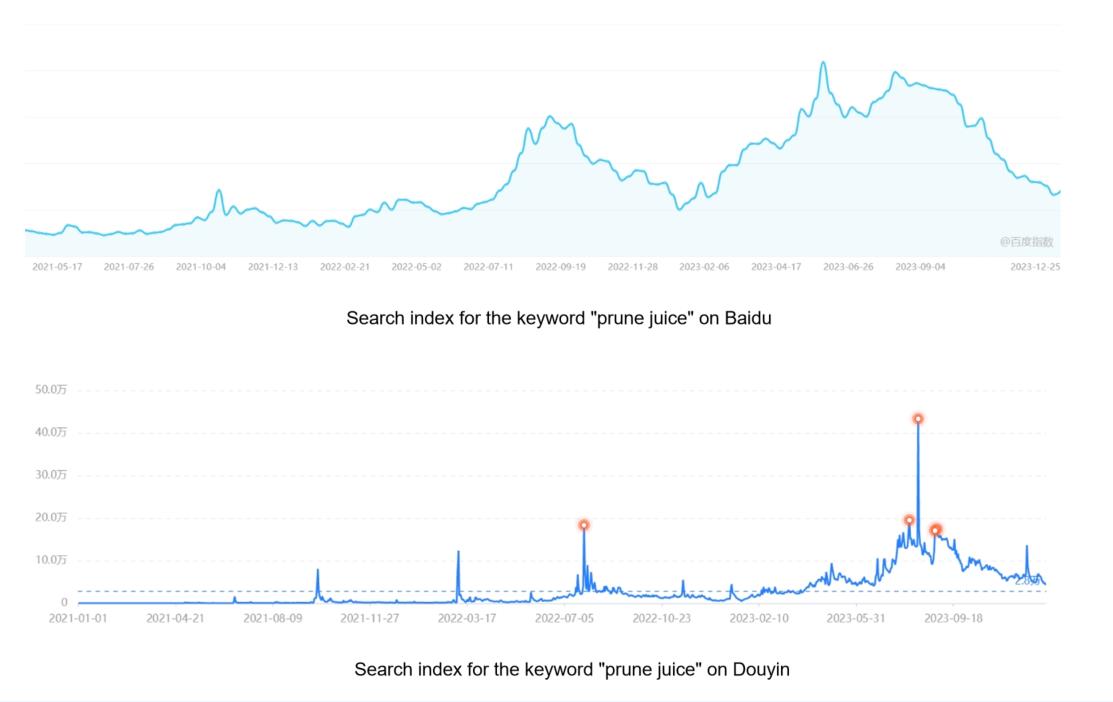
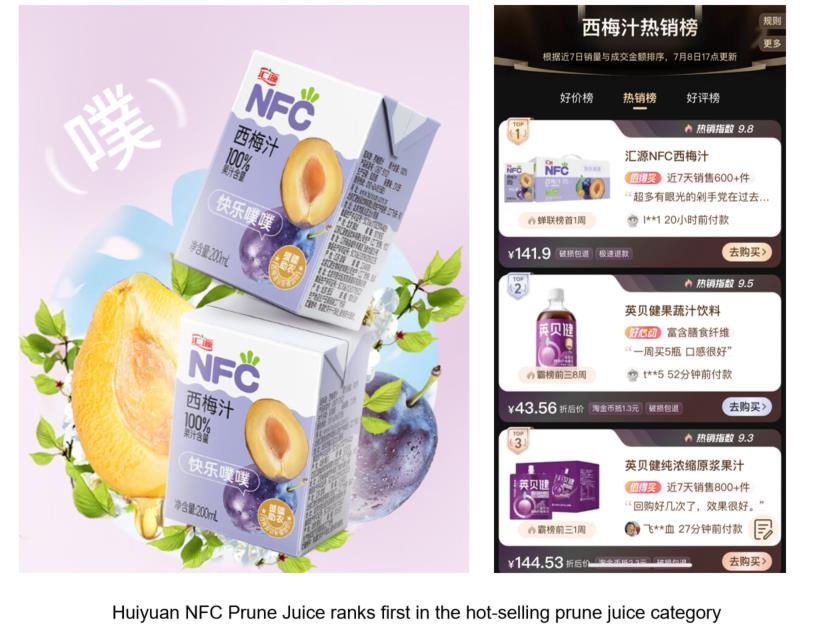
The popularity of prune juice is attributed to its health benefits. Prunes are rich in sorbitol, xylitol, and dietary fiber which promote intestinal peristalsis and improve gut microbiota. These benefits appeal to consumers with irregular dietary habits, sedentary office workers, and pregnant women suffering from constipation. Huiyuan Juice's sensitivity and quick response to market trends allow it to rapidly capture consumer attention in the new prune juice category. As a result, the prune juice line has become a growth driver for the enterprise following previous financial challenges. Reported data shows that despite COVID-19 impacts, Huiyuan Juice's total sales from January to July 2022 grew by 5.1% YoY, with online sales surging by 114.1% YoY. Revenue from NFC juice products rose by 27% YoY in the first seven months of 2022, with prune and sea-buckthorn juices being the main contributors.1 By far, Huiyuan NFC prune juice remains the top-selling prune juice on the Tmall.
Breaking into New Segments to Gain Differentiated Competitiveness
Chinese herbal healthy water is a segment within the fiercely competitive sugar-free tea market. Core ingredients are substances traditionally used as both food and Chinese medicine, like red beans, goji berries, red dates, which offer unique Chinese herbal benefits. Under the rising trend of health consciousness and the growing popularity of food-medicine concepts, Keyang, an emerging Chinese herbal healthy water enterprise, launched the first red bean water in the Chinese market, and gradually expanded to a product matrix of red bean water, five red soup (ingredients include five Chinese traditional foods with red appearance), red bean coix seed water, mung bean water, and red bean burdock tea. After years of market education, sales of Keyang's red bean coix seed water on Douyin grew by 293% YoY in 2023.
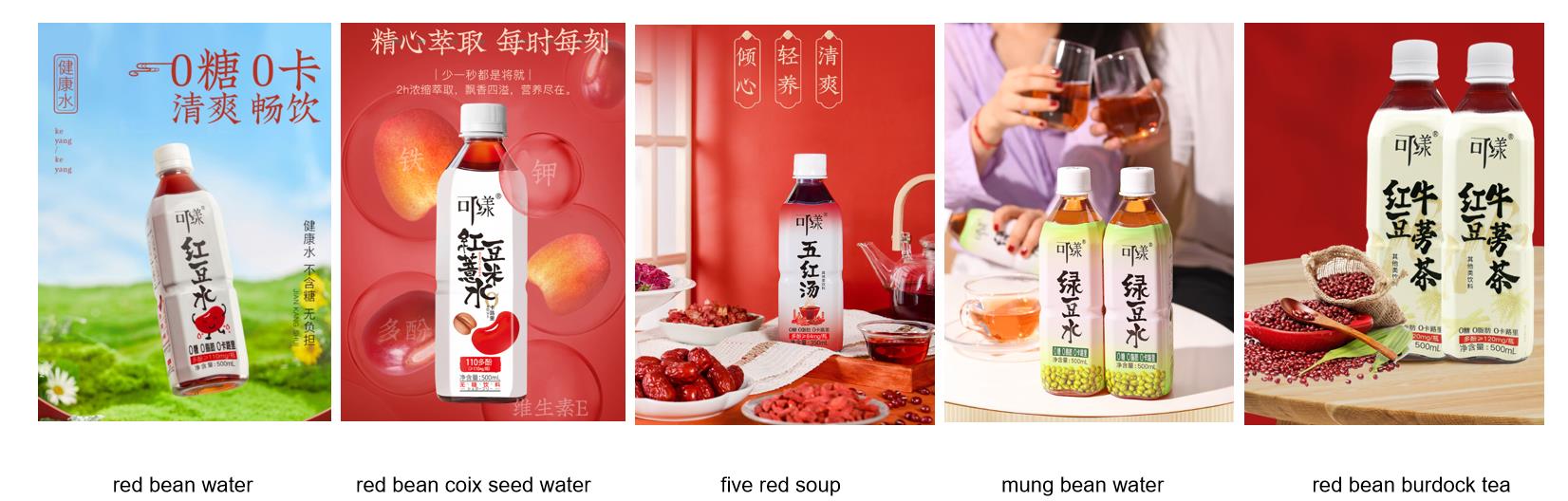
Data indicates that 65.5% of consumers choose Chinese herbal healthy water for its benefits, such as getting rid of humidity and promoting blood circulation.2 Keyang's success lies in its keen insight into young consumers' growing appreciation for traditional Chinese wellness practices, as well as its capacity for innovating traditional Chinese ingredients to meet consumers' wellness needs. For instance, Keyang's "five red soup" combines ingredients like red beans, red dates, goji berries, red roses and peanut skin, specifically targeting female consumers seeking specific health benefits like qi and blood enhancement. Notably, Keyang's parent company, Zhonghe Food, specializing in red bean deep processing, provides robust support in raw materials, supply chain, and technology, which enhances Keyang's competitive edge.
The Chinese packaged beverage market is currently saturated with fierce competition. Whether for established brands seeking expansion or new entrants striving to make an impact, finding a distinctive point of entry is crucial. From the examples mentioned above, valuable lessons can be learned that product innovation should not only focus on flavor innovation, but also involve horizontal expansion into new product categories and vertical breakthroughs into more specialized segments aligning with emerging market trends.
Marketing Campaign Innovation
Leveraging Scene Marketing to Engage Potential Consumers
The rise of social media has significantly influenced consumer behavior, with consumption scenarios playing a crucial role. Consumption scenarios appeal to consumers with a combination of environment, behaviors, relationship and emotions. Therefore, scene marketing is regarded as one of the most efficient methods to reach users because it not only promotes products but also presents new lifestyles and concepts, educating and guiding consumers simultaneously.
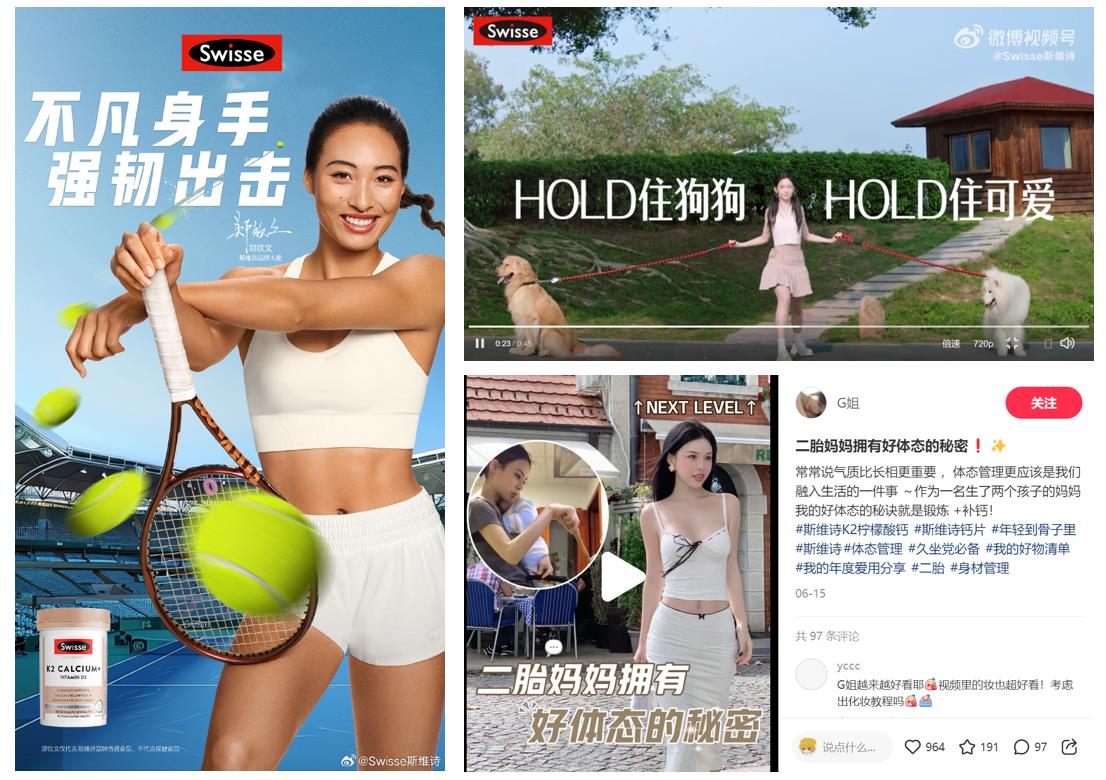
Swisse's strategy with its K2 calcium product serves as a typical example. Despite growing health awareness among young consumers, their understanding of calcium supplementation remains limited. Swisse targeted this consumer group by highlighting the benefits of strong bones for leading a fashionable lifestyle and emphasizing how healthy bones contribute to greater enjoyment of life, through vivid scenarios in television commercials. Moreover, on Xiaohongshu—a platform dominated by female users, Swisse focused on the core benefit of posture improvement through calcium supplementation. By integrating topics like photography and fashion that are associated with posture, the brand ignited users' aspirations for an elegant posture and subtly reinforced the product's value. During the 618 E-commerce shopping festival of 2024, Swisse K2 calcium sales surged by 61% YoY, making it the top-selling product in the cross-border e-commerce calcium category.
Indeed, consumers increasingly favor products tied to appealing consumption scenarios. Social media buzz around topics like "one-person meals," "camping food," and "convenient breakfast for early risers" resonates strongly, drawing consumers into these lifestyle choices. Scenarios like these present good opportunities for brands to engage consumers deeply. By seizing existing popular scenarios and innovating new resonant ones, brands can foster immersive consumer interactions, reinforcing the bond between consumers and product value, and solidifying their brand as the top choice.
Distribution Channel Innovation
Tapping Into the Huge Potential of Lower-tier Markets
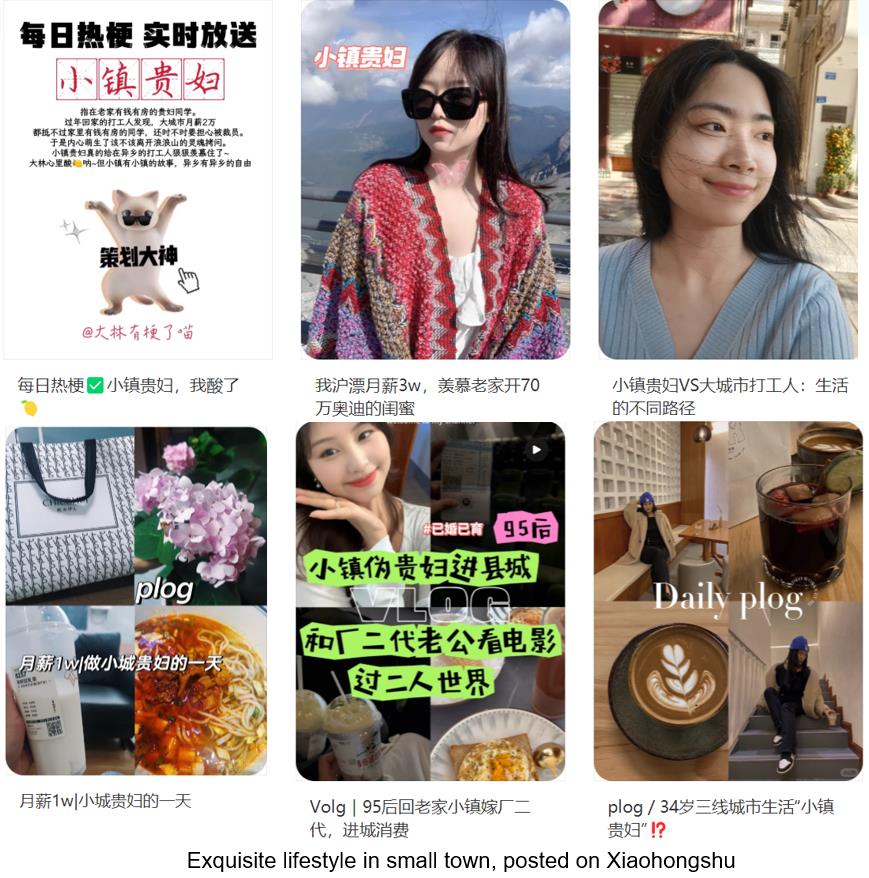
In recent years, a portion of the population in higher-tier cities has outflowed to lower-tier cities. People returning to their hometowns bring urban lifestyles to smaller towns, influencing local residents and narrowing the lifestyle gap between higher and lower-tier cities. Additionally, the prevalence of smartphones and short videos has also bridged the information gap between higher and lower-tier cities, swiftly disseminating popular trends across lower-tier markets. The rapid expansion of e-commerce has further accelerated the unleashing of consumption capacity in these cities. Therefore, the lower-tier market has emerged as a pivotal channel for brands seeking new growth avenues.
Yili, a dairy leader, exemplifies this strategy. Leveraging robust digital capabilities, a strong supply chain, comprehensive channel management, and insights into regional lower-tier dynamics, Yili has penetrated these markets extensively. In the dairy industry, milk consumption levels in lower-tier markets are progressively catching up, underscoring the growing importance of these markets year by year. Nielsen IQ revealed, from 2019 to 2023, the compound annual growth rates of sales for room-temperature liquid milk, refrigerated liquid milk, and adult milk powder in lower-tier markets consistently outpaced those in higher-tier markets. As a result, the market share of these categories has steadily increased in lower-tier cities, with room-temperature liquid milk now commanding over 60% of the market.3 Looking ahead, as chain supermarkets and cold chain logistics continue to expand in lower-tier markets, these regions—characterized by dense populations and rapid channel development—will emerge as new engines driving growth in dairy consumption.
In the present day, more industries such as snack foods, freshly brewed tea, and coffee are turning to lower-tier markets for expansion. Key to success in these markets is a deep understanding of local dynamics, tailored brand strategies and product innovation, and a robust supply chain.
 We provide full-scale global food market entry services (including product registration, ingredient review, regulatory consultation, customized training, market research, branding strategy). Please contact us to discuss how we can help you by