Request a Demo
China's food and beverage market is experiencing a dynamic shift, driven by changing consumer preferences and heightened market competition. In 2024, companies have launched a series of new products and adjusted their business strategies to better align with these evolving market dynamics. Drawing from key events and developments in 2024, ChemLinked has identified notable trends in both product innovation and business strategy, aiming to offer valuable insights to help stakeholders uncover potential business opportunities in this increasingly competitive landscape.
Product innovation
1) Health-oriented innovation
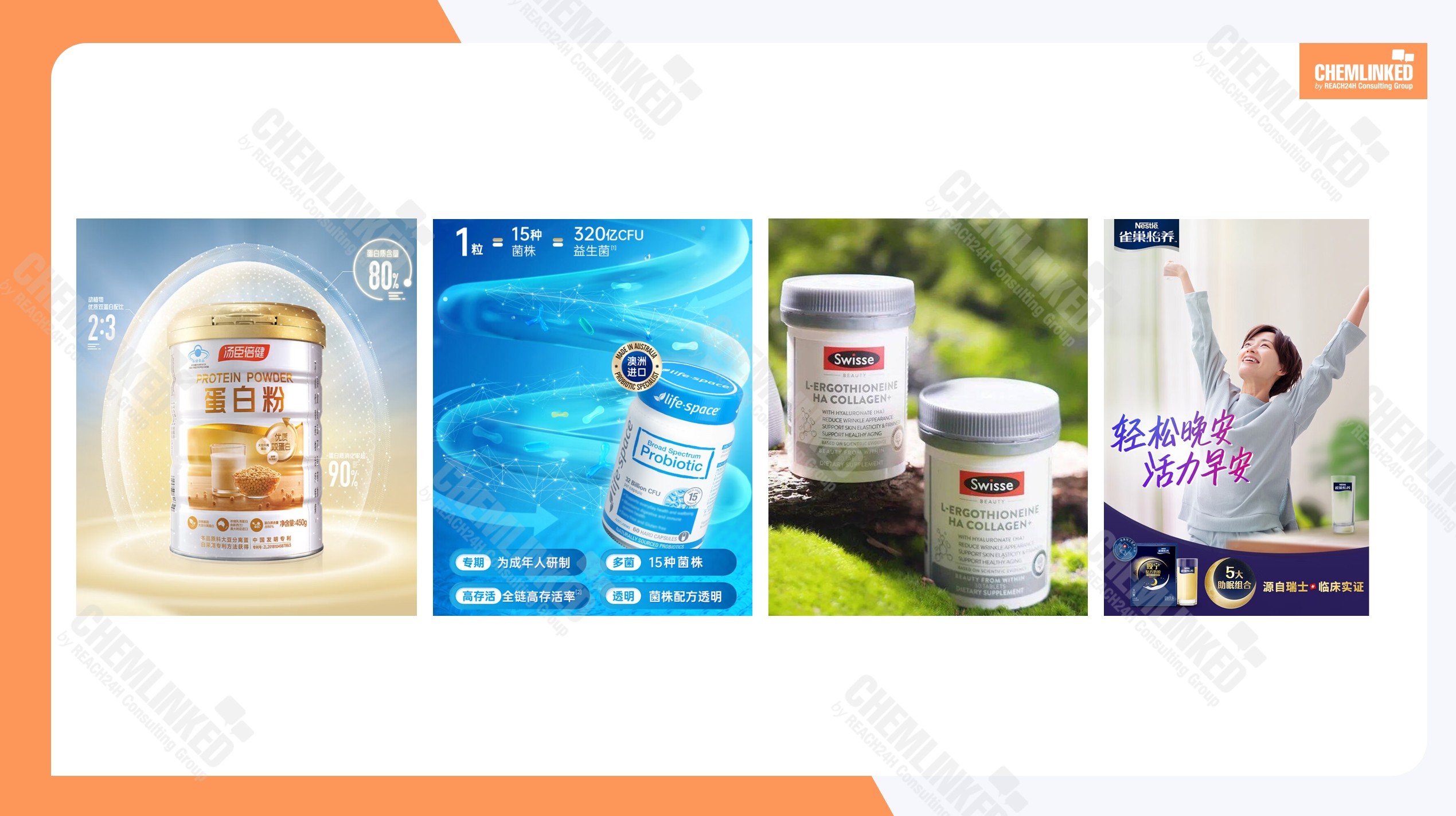
As consumer awareness of health continues to rise, the food and beverage industry increasingly emphasizes products' health benefits.
On the one hand, the health functional food sector in China has shown steady growth. According to Deep Insight Research, the market surpassed CNY 350 billion in 2023, with a compound annual growth rate (CAGR) of 6% from 2016 to 2023. By 2025, it is expected to exceed CNY 380 billion, potentially surpassing CNY 480 billion by 2029. As consumers' lifestyles evolve, demand for health functional foods is diversifying. Beyond immunity-boosting, consumers are seeking benefits like gut health, weight management, sleep improvement, and oral beauty, etc.
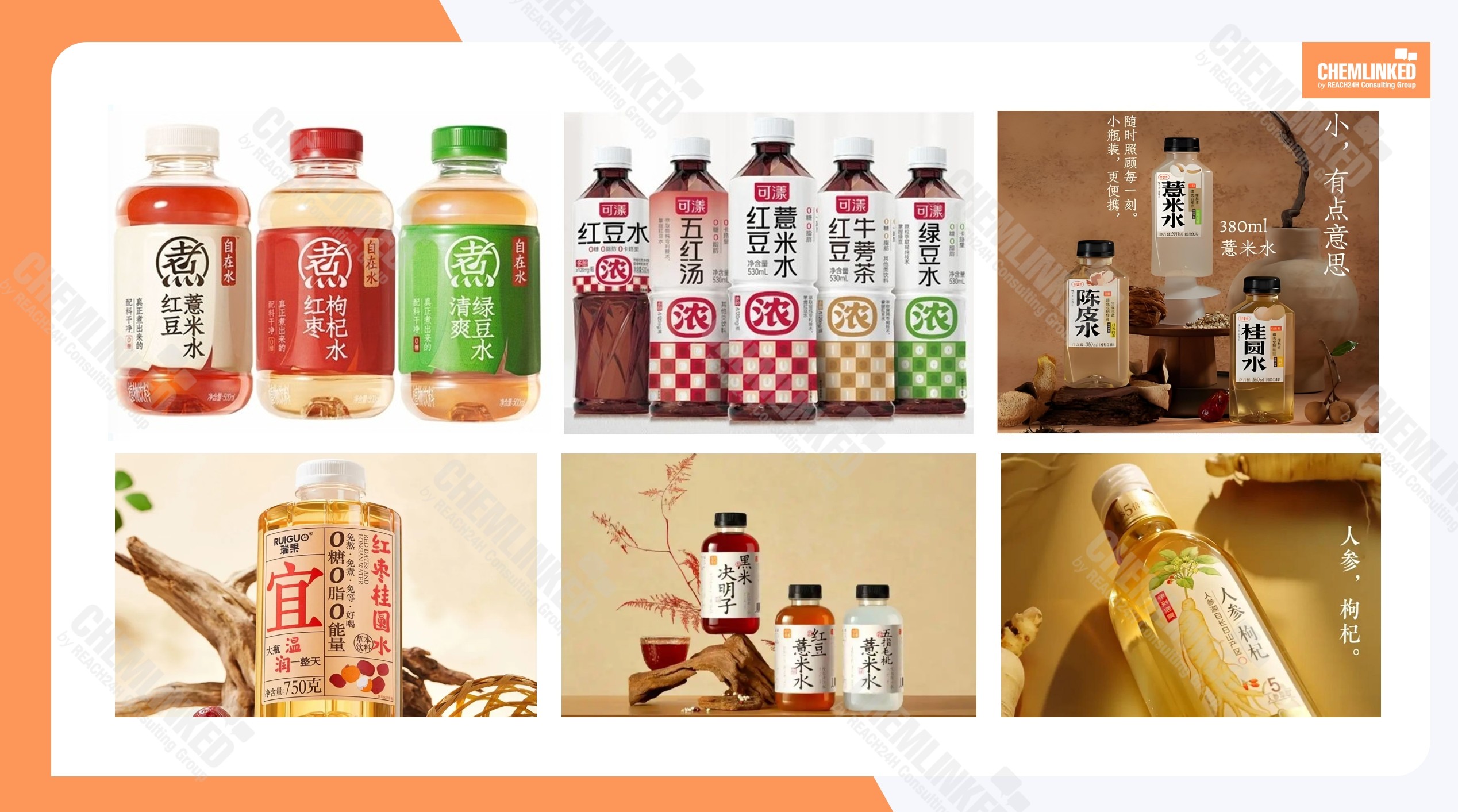
On the other hand, consumer demand diversification is pushing the boundaries of health-focused product innovations. Two prominent examples are the rise of Chinese traditional herbal beverages and superfoods. According to Winwin Network, the offline market share of Chinese traditional herbal beverages (RTD plant-based drinks made from ingredients like red beans, coix seeds, goji berries, and red dates) grew 37.64% year-on-year(YoY) in Q3 2024, outpacing other beverage categories. A prominent example is Chi Forest’s Zizai Water, launched in 2023, which is projected to generate over CNY 1 billion in sales in 2024, becoming the third growth driver for the brand.
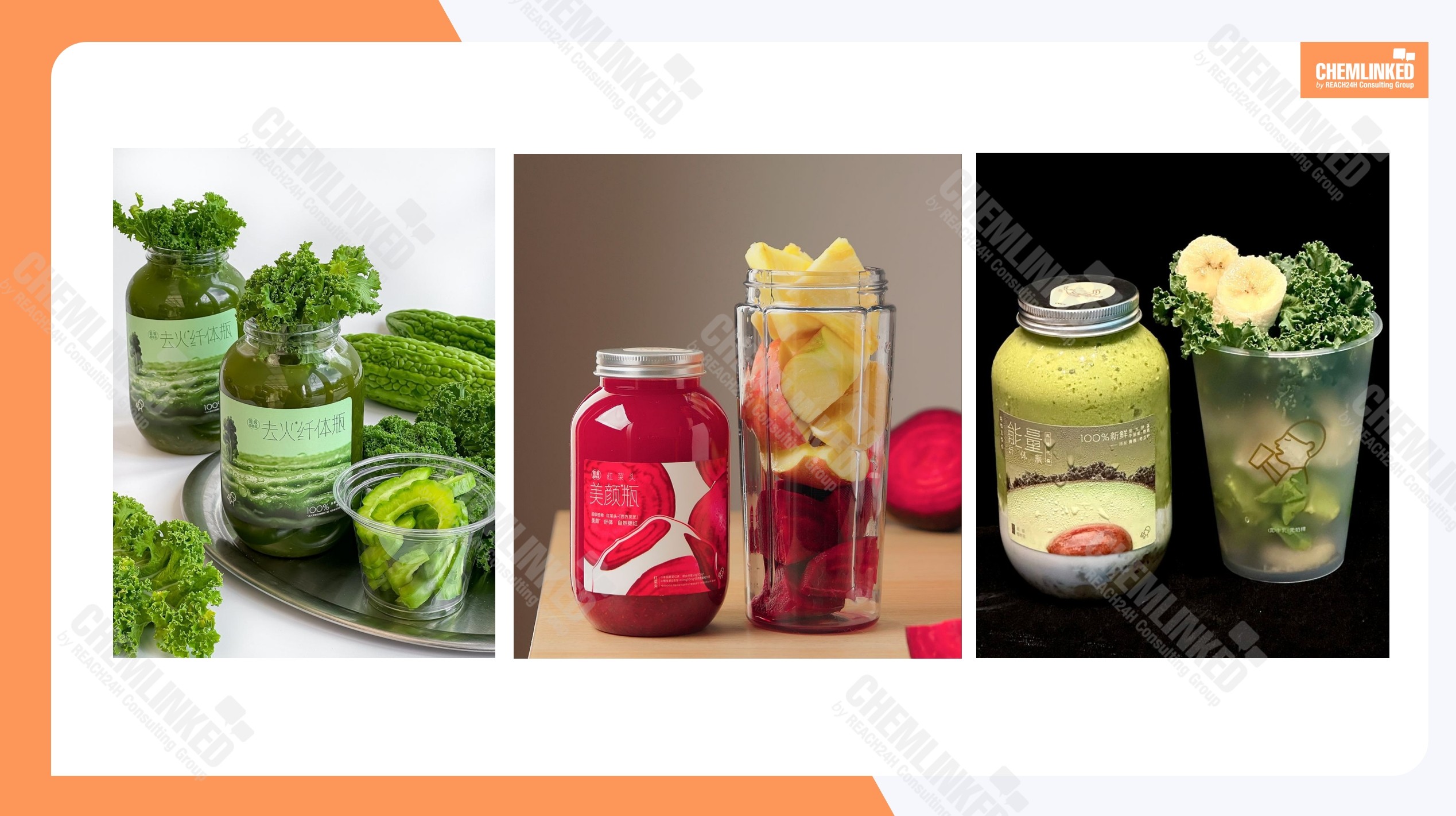
Superfoods, rich in vitamins, minerals, dietary fiber, and antioxidants, have gained significant popularity. For instance, HEYTEA’s “Super Plant Tea Beverages” (teas paired with superfoods like kale, avocado, beetroot, and açaí, often mixed with fresh fruits such as apple, kiwi, grapefruit, grape, and lemon) sold over 37 million cups between July and December 2024, becoming standout products in the freshly made tea beverage market.
The growing health focus is driving brands to further explore the potential of health-oriented products, indicating an expanding market opportunity.
2) Flavor innovation
As consumers increasingly demand personalized and diverse flavors, flavor innovation has become a pivotal strategy for brands aiming to attract and retain customers.
Novel and unconventional flavors
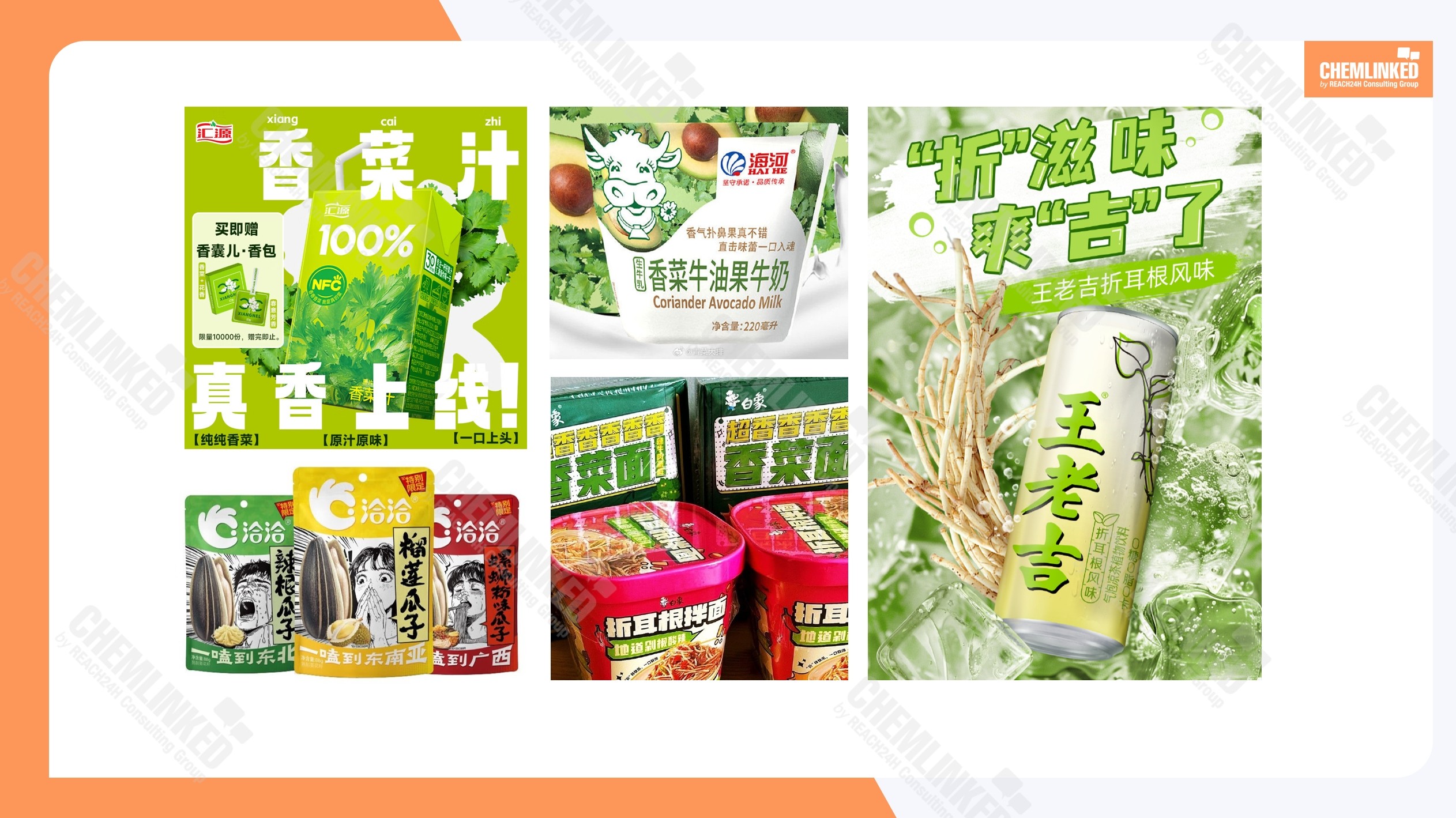
Consumer demand for novel and bold flavors has spurred the use of unconventional ingredients. In 2024, ingredients like coriander, durian, and fish mint had more frequent use in product development. Huiyuan’s 100% coriander juice went viral on Douyin, garnering nearly 40 million views in just one week and exceeding 8,000 orders. Chacha Foods introduced durian- and horseradish-flavored sunflower seeds, while WALOVI launched fish mint-flavored herbal tea. These unique offerings generated significant debate, and ultimately achieved significant public engagement and media exposure, suggesting that novel flavors can enhance brand visibility and consumer interaction.
Compound flavors
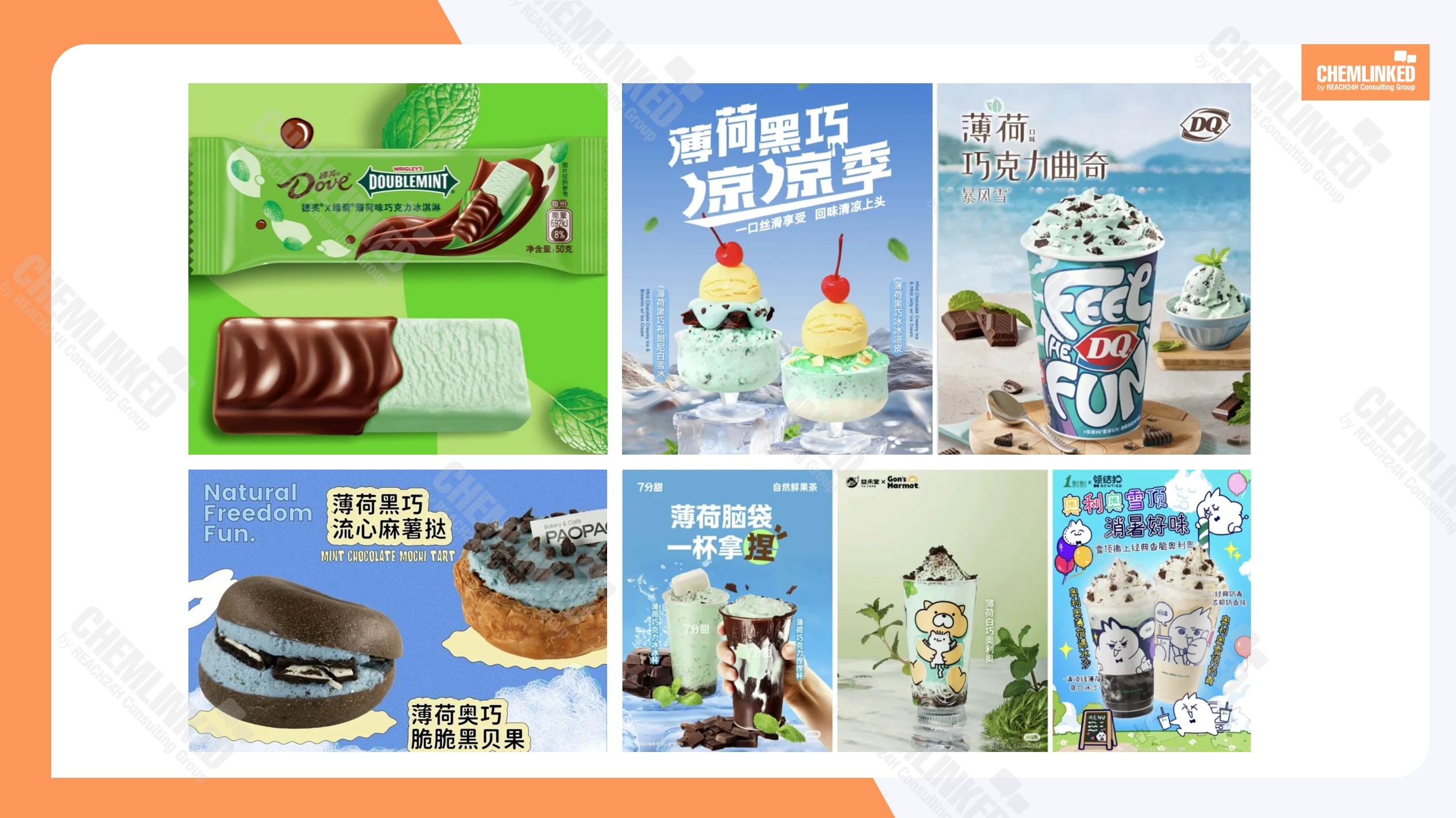
Compound flavors have long been a key focus of innovation. In 2024, CHOCLIZ launched a 6-layer ice cream with layers of chocolate crisp, almonds, and milk chocolate ice cream, offering a rich, multi-layered taste experience. Additionally, Dove and Doublemint’s mint chocolate ice cream—blending classic chocolate with refreshing mint—captured social media attention, quickly spreading across various food categories, including baked goods, milk drinks, smoothies, and freshly made beverages. This flavor combination appeals to both mint lovers and chocolate fans, expanding its consumer base.
Regional flavors
The rise of domestic tourism in China has fueled the popularity of regional food culture. In response, brands are introducing products with distinct regional flavors to stand out in a competitive market.
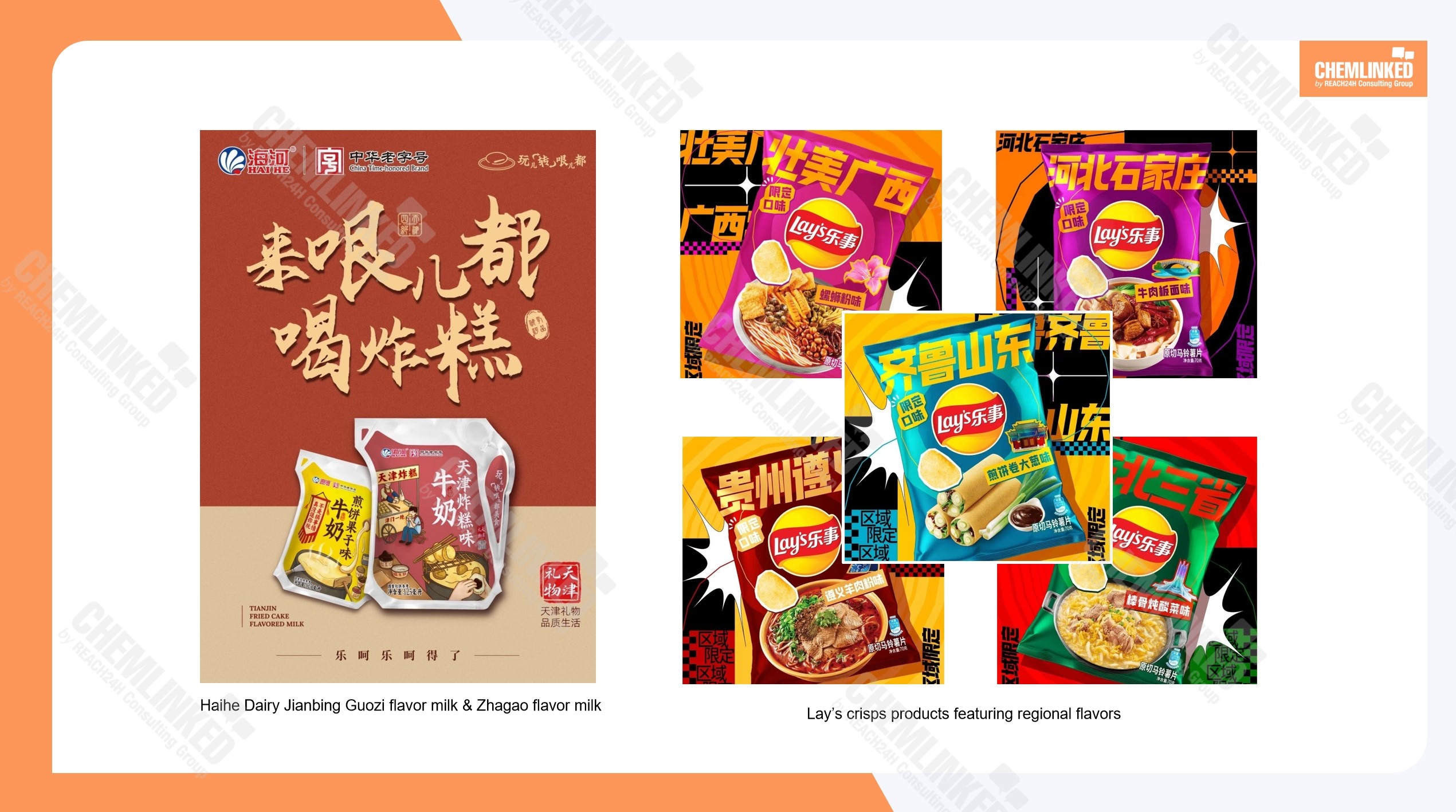
Among local brands, Tianjin-based Haihe Dairy launched two milk products inspired by traditional Tianjin breakfast items: Jianbing Guozi (pancake with crisp fritter) flavor milk and Zhagao (fried cake) flavor milk. Together with Haihe’s coriander avocado-flavored milk, these new regional flavor products have helped the brand expand beyond its local market.
International brands are also embracing local flavors. For example, Lay's rolled out a series of crisps featuring regional flavors inspired by specialties of Guangxi, Guizhou, Shandong, Hebei, and Northeast China. These regional flavor products help Lay’s strengthen its localization strategy while maintaining freshness and consumer loyalty.
In the future, food and beverage companies will continue to explore regional culinary traditions and blend them with modern food trends to create distinctive products that enhance brand recognition and competitiveness.
Transformation of business strategy
1) Strengthening supply chain
A robust supply chain is essential for brands to maintain a competitive edge in the market.
In 2024, Chinese snack brand Three Squirrels made headlines with a remarkable recovery from a three-year low, driven by the company’s “premium cost-performance” with structural changes in its business model, supply chain, and organizational setup. Projections indicate that Three Squirrels' revenue for 2024 will exceed CNY 10 billion, a nearly 50% YoY increase, with net profit soaring by over 80%. The company’s supply chain upgrade, emphasizing precision management from raw material procurement to production and logistics, and establishing centralized supply chain bases, has been crucial in reducing costs and improving operational efficiency.
Another notable player, Ripe Fruit, a rising star in China’s sugar-free tea market, completed the construction of its first self-controlled factory by December 2024. With a self-controlled supply chain, the company gains better control over product supply, quality assurance, and innovation, enabling quicker responses to market shifts and evolving consumer preferences.

As market competition intensifies, more companies are reinforcing their supply chain barriers to enhance their core competitive advantage.
2) Tapping into potential growth areas
As consumer demand slows and industry competition intensifies, food companies are seeking new growth avenues by expanding into new sectors.
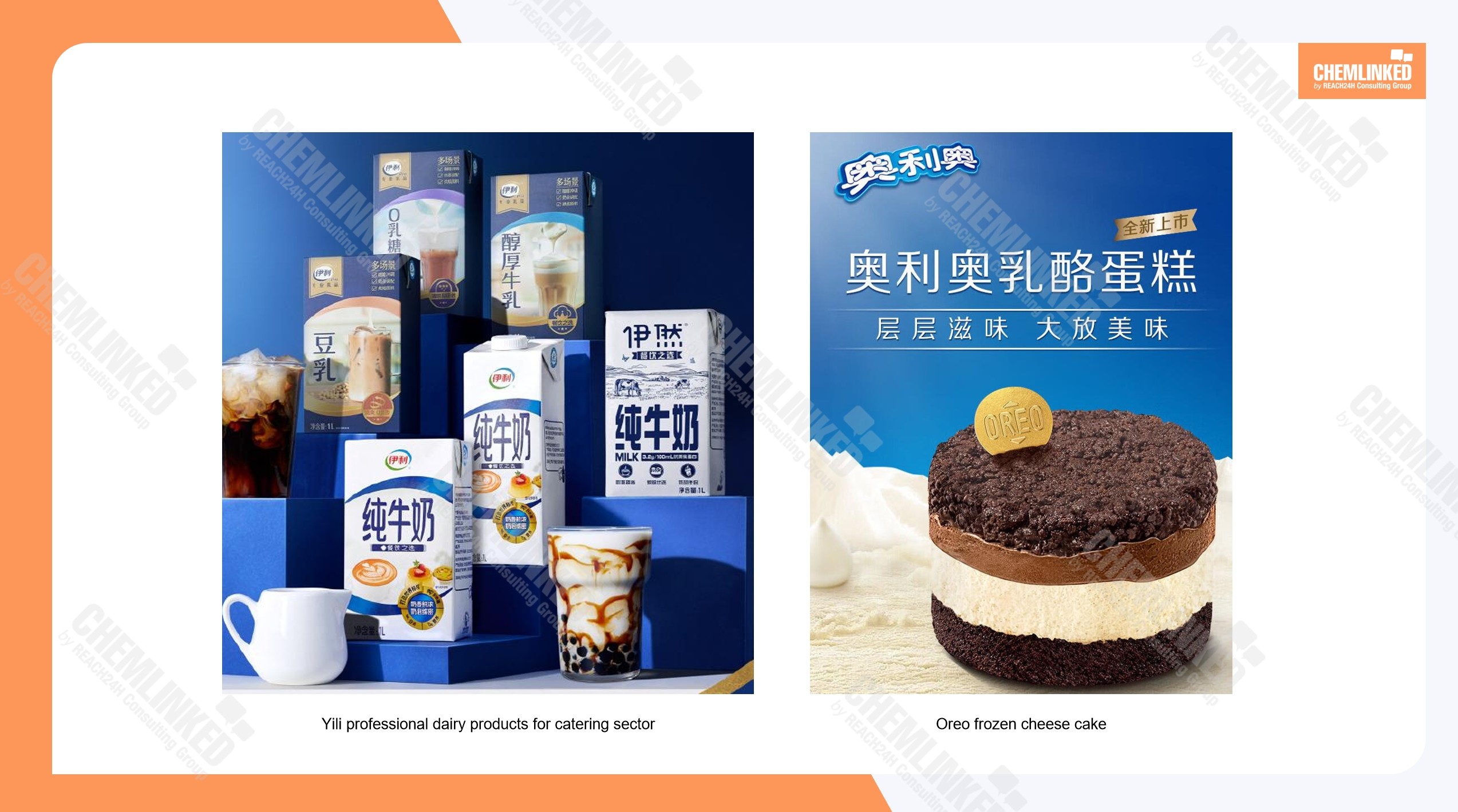
In 2024, Yili launched seven professional dairy products targeting the food service sector, expanding its B2B product portfolio. The company also partnered with the restaurant chain Haidilao to drive innovation in dairy products for the restaurant industry. Although the B2B market generally offers lower profit margins, it provides stable and scalable demand. As a result, leading brands like Yili and Mengniu are increasingly focusing on B2B, leveraging their product and supply chain advantages to unlock new growth opportunities.
Another noteworthy example is Mondelez’s majority investment in the Chinese frozen bakery enterprise Evirth. Previously in 2021, Evirth received strategic investment from Mondelez. The two companies collaborated to produce and market Oreo frozen baked products. This increased investment positions Mondelez to expand its presence in China’s frozen bakery market, which is valued at around 3 billion USD and is projected to grow at a CAGR of 15%.
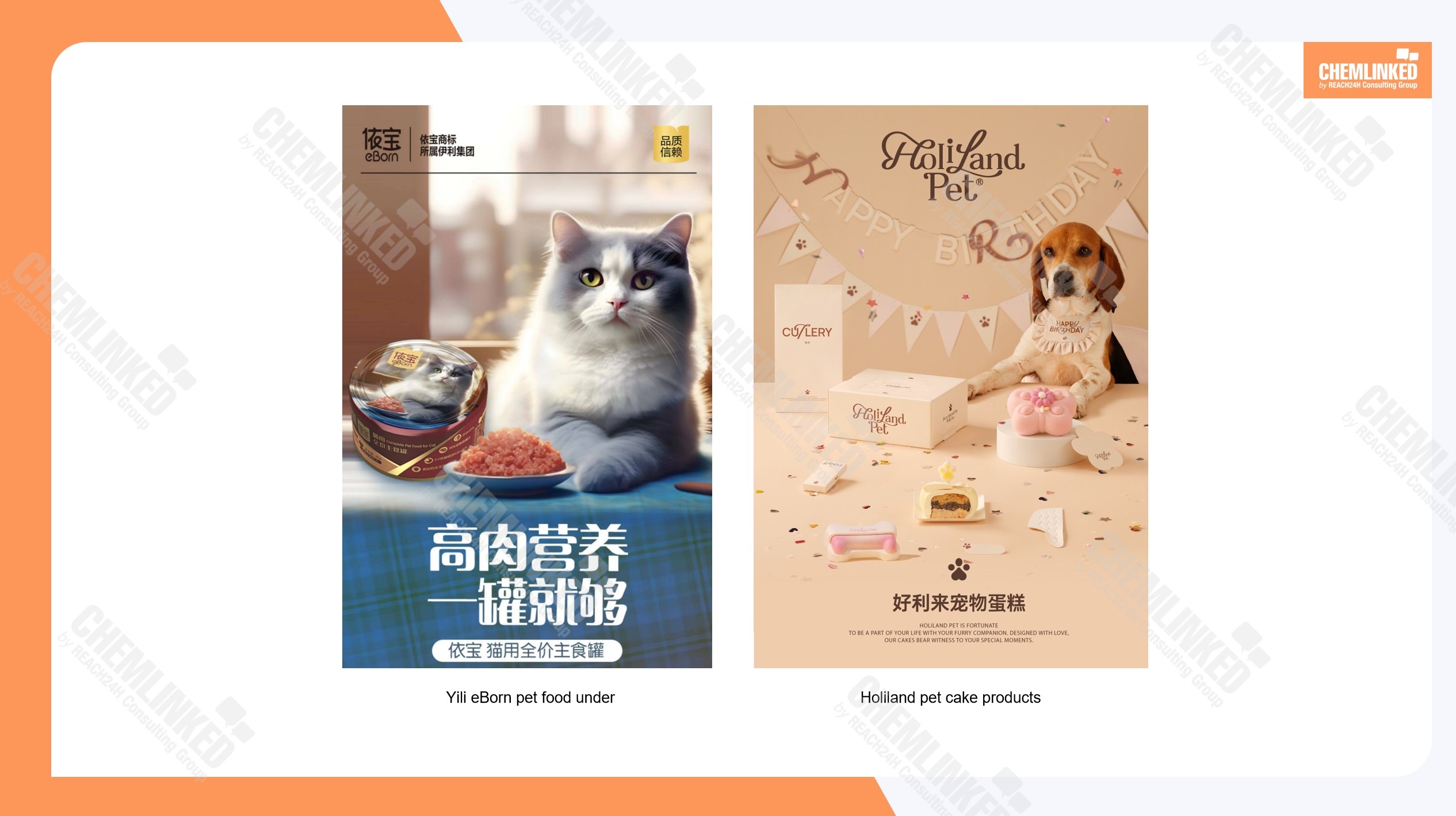
It is also worth mentioning that the booming pet economy in China has caught the attention of major food companies. Brands like Yili, Beingmate, Holiland, and Babi Foods are expanding into the pet food sector, capitalizing on the growing demand for high-quality pet nutrition. With pet ownership on the rise and pet care becoming a significant part of consumer spending, this emerging market offers a valuable opportunity for growth.
In summary, the evolving market landscape highlights the critical need for businesses to adapt to shifting consumer demands and industry challenges. Product innovation and strategic adjustments will be key drivers of success. Companies that can quickly and effectively respond to these changes will be well-positioned to thrive in an increasingly competitive environment.
Disclaimer: All images used in the article are from the Internet.
 We provide full-scale global food market entry services (including product registration, ingredient review, regulatory consultation, customized training, market research, branding strategy). Please contact us to discuss how we can help you by