Request a Demo
Following the recent lead poisoning incident involving over 230 kindergarten children in Gansu province, a new case has surfaced alleging that an imported dietary supplement has caused lead poisoning in a 6-month-old infant. The case is rapidly gaining traction on Chinese social media, further deepening public concerns over food safety and regulatory oversight.
Mother Alleges Lead Poisoning from Popular Imported Supplement
Wu Mengying, a concerned mother, has publicly accused the imported children's nutritional supplement "Viattamin Protease" of causing her 6-month-old baby's lead poisoning. The supplement, sold widely across Chinese e-commerce platforms, is marketed under the brand "Viattamin"—allegedly an Australian company.
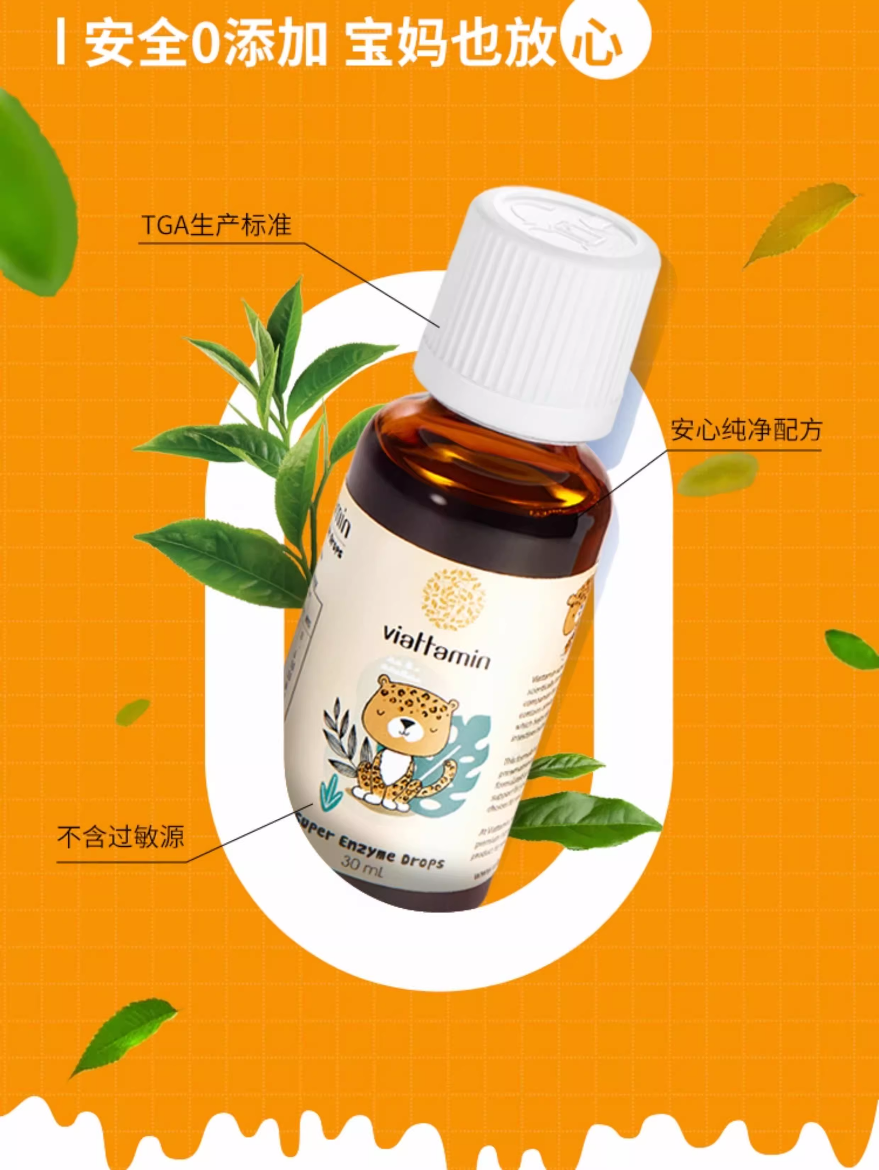 The Involved Infant Supplement from Viattamin
Wu's claims began gaining attention after she posted detailed accounts across major Chinese social media platforms. According to her, she purchased the product following a recommendation by a popular influencer and nutritionist known as "Big Fish Review" after her child was diagnosed with protein allergy at 3 months old.
Over a period of three months, the infant consumed nearly six bottles of Viattamin Protease. A routine health check at 6 months revealed that the child's blood lead level had reached 174.14 µg/L—well above the safety threshold of 100 µg/L. Alarmed by the findings, Wu sent all consumables in her baby's diet to the Nanjing Product Quality Supervision and Inspection Institute for testing. Test results pointed directly to the Viattamin Protease as the source. The product sample showed a lead content of 17.6 mg/kg, grossly exceeding Chinese national safety standards. Additional testing of 11 unopened bottles from various sources revealed 7 samples also had excessive lead levels.
More Cases and Regulatory Questions
Wu noted that during a hospital visit to Shanghai Xinhua Hospital, she met another parent whose baby, having consumed the same product batch (Batch No. 42098, Production Date: July 2, 2024), was also diagnosed with lead poisoning.
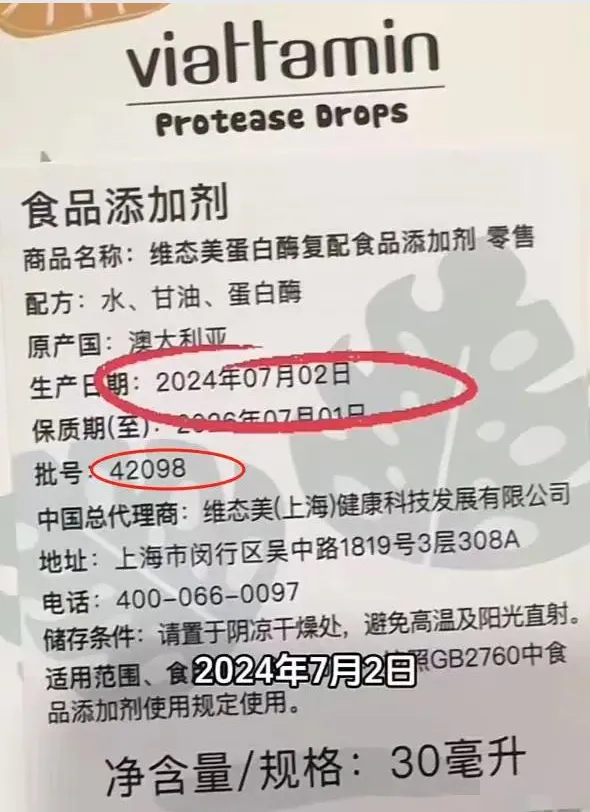 The Alleged Batch of Viattamin Products
Lead poisoning is particularly dangerous for infants and children, with potential long-term effects on cognitive development and organ function. According to the industry experts, blood lead levels above 100 µg/L can impair attention, reduce IQ, and cause behavioral disorders. At levels beyond 300 µg/L, symptoms can escalate to anemia, gastrointestinal distress, and even neurological damage at extremely high concentrations. Experts warn that the damage from lead poisoning is often irreversible, and treatment options like chelation therapy may lower blood lead but cannot undo developmental harm.
Questionable Branding and Certification Claims
Viattamin claims to be affiliated with VITA LIFE PTY LTD of Australia and states that its products are manufactured in TGA-certified facilities. However, independent investigations by bloggers revealed no records of Viattamin or its products in the Therapeutic Goods Administration (TGA) public database.
Further scrutiny of the brand's official overseas website showed that its "development history" focuses entirely on the Chinese market, with no reference to operations or retail presence in Australia. These discrepancies have led some to speculate that Viattamin is a "China-exclusive" import product—purportedly made in Australia but not sold or recognized locally.
Customer service representatives on Chinese e-commerce platforms were reportedly evasive when asked for details about the product's manufacturer, instead diverting the conversation to the baby's feeding habits and recommending other products.
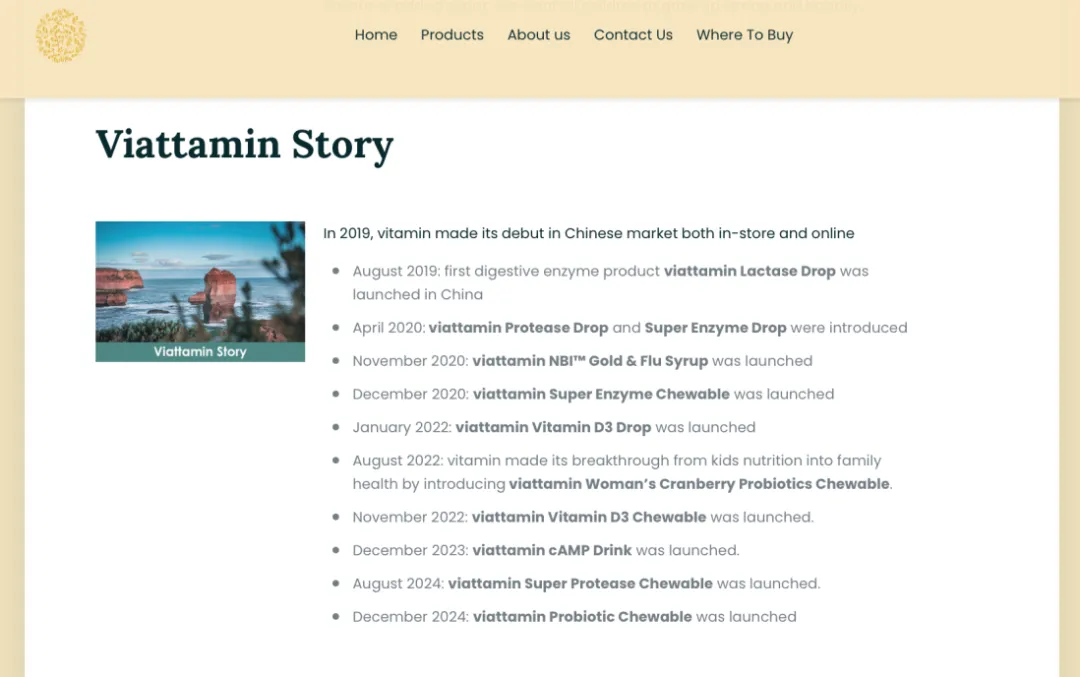 The Official Website of Viattamin
Broader Food Safety Concerns
This controversy comes shortly after a scandal in Tianshui, Gansu province, where more than 230 children were diagnosed with elevated blood lead levels after consuming meals tainted by non-edible lead-based paint at a kindergarten. These successive cases highlight deep-seated weaknesses in China's oversight of imported products, especially those targeting infants and young children.
As of now, Viattamin products continue to be available on major Chinese platforms, with no public recall or suspension of sales. Wu's calls for accountability from both the brand and the influencer platform that promoted the product have gone unanswered.
The unfolding case underscores the urgent need for stricter scrutiny and transparency in the marketing and regulation of imported child health products. Experts and consumers alike are calling for an official investigation, immediate product recalls, and clearer labeling and certification validation to protect public health—particularly that of vulnerable children.
 We provide full-scale global food market entry services (including product registration, ingredient review, regulatory consultation, customized training, market research, branding strategy). Please contact us to discuss how we can help you by