Request a Demo
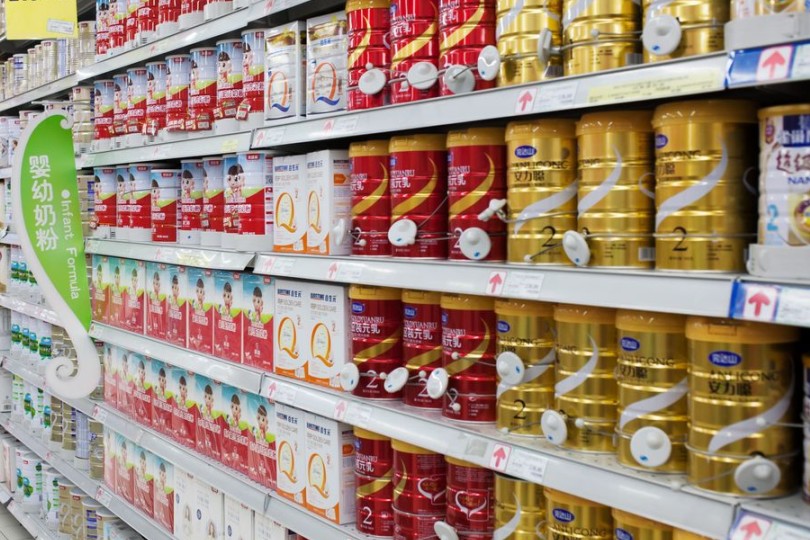
China’s infant formula market is entering a new age. High-end domestic brands reported three-digit growth in the first quarter of this year while smaller companies are now teetering on the brink of extinction with little prospect of meeting the impending Jan 1st 2018, infant formula registration deadline. In the context of this regulatory reform market behavior has been erratic and unpredictable, already precipitating a chaotic price war which has negatively impacted the performance of some domestic brands evidenced by significant price reductions and share price devaluations.
Conversely the failure of some brands has opened up markets and led to great success for others. Three industry leaders--Junlebao, Feihe and Sanyuan, each recorded a remarkable surge in sales on their premium brands by 237, 191 and 260 percent respectively in the first quarter of 2017. Performances like this have rarely been seen in the history of domestic brands. Some of this success can be attributed to smaller brands being squeezed from the market due to tectonic regulatory reform.
A hard landing and bitter transition
According to the new infant formula registration regime, a brand quota has been allocated to each applicant with a maximum of three product lines (each product line must have 3 stages) allocated to each manufacturer (single production license). Factors such as historical performance and market popularity dictate the course of application, which offers a significant advantage to high-end brands. Average brands are left to bear the brunt of these regulatory changes and have resorted to price slashing in order to dissolve stock, which adds to greater loss of market share to foreign brands. A latest figure from Nielsen shows foreign brands have obtained 60 percent market share and are rapidly eating away domestic brand’s traditional influence on maternal and child supplies.
The regulatory reforms are part of a wider political vision of propping up China’s own infant formula brands within the next decade by curtailing over production and instigating a shift from brand diversification to product-focused development. “Ultimately, the overall performance of domestic brands slumped markedly to an estimated market share of around 30 billion Yuan this past quarter”, said Song Liang, a senior dairy industry analyst. “And the rise of CEBC offers consumers more options for cheap and quality baby formula.” It is reckoned that total value of infant formula traded through CEBC has reached 15 billion Yuan and currently the total market value for baby formula stands only at around 90 billion.
According to Song, the uncertainty surrounding baby formula registration has caused many distributors to waver over further cooperation with unregistered brands. Even some of the big names in China’s dairy industry are suffering , with Mengniu, Yashily, Beingmate and Biostime all experiencing some shrinkage in sales volume.
 We provide full-scale global food market entry services (including product registration, ingredient review, regulatory consultation, customized training, market research, branding strategy). Please contact us to discuss how we can help you by