Request a Demo
On Nov. 21, 2019, China SAMR opened the draft version of “Food Labeling Supervision Administrative Measures” to public feedback. Any comments shall be sent back before Dec. 20. This regulation applies to the labeling of all the food manufactured and sold in China, including prepackaged food, bulk food, edible agricultural products, irradiated food, GM food, special food, and imported food. Generally speaking, most items listed in “Food Labeling Supervision Administrative Measures (exposure draft)” have been mentioned in other existing standards or regulations, but the following two articles are new, which will have a significant impact on market access and are particularly important for international stakeholders:
Article 14 Imported food shall have Chinese labels, which should be directly stuck, printed, or indicated on the minimum sales unit package during production. The label should be affixed to the product before cargo arriving in China.
This item is consistent with GAC's broad goal that China’s trade partners and overseas enterprises should bear more responsibility when they are exporting food to China. If this requirement is implemented in the future, foreign manufacturers are likely to incur higher costs during importation. Importers will also need to plan their regulatory compliance strategy more carefully as their products will be subject to heightened scrutiny during customs clearance.
Article 15 It is not permitted to use statements on labels which include terminology such as "exclusive for…" or wording that indicates a food product is more suitable for specific groups such as infant and young children, children, the elderly or pregnant women. The use of such labeling claims is limited to products covered by specific national standards or regulations which are specific to certain groups (food for pregnant/lactating women, infant formula)
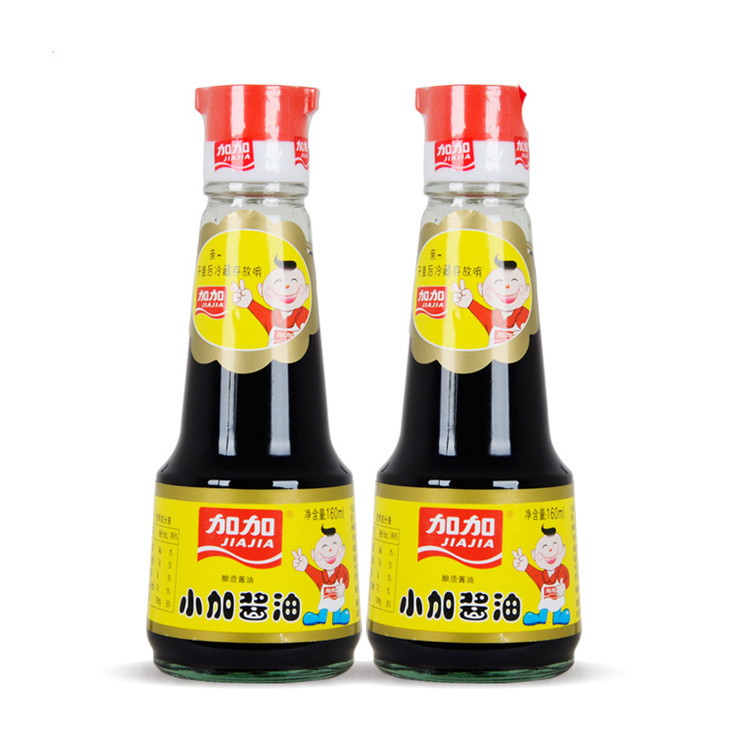 This item has been included to prevent companies from adopting regulatory compliance strategies that allow them to simultaneously target the markets of and circumvent regulatory requirements of food for special dietary purposes and other niche categories. Additionally, we have seen condiment enterprises launch soy sauce exclusively for children, declaring that it contains lower salt and is healthier for young children. However, the fact is that the salt concentration of some children soy sauce is even higher than standard soy sauce. If this requirement is implemented as per the draft version, many products marketed towards specific group will be non-compliant due to lack of corresponding regulations or standards, such as "milk powder for the elderly" and "dried meat floss for babies."
The exposure draft prohibits the use of the following labeling claims:
Food labels explicitly or implicitly indicate disease prevention or therapeutic efficacy
Non-health food explicitly or implicitly indicates healthcare functions
Food is described in a fraudulent or misleading way
Product specification attached lacks supporting evidence
Wording violates national customs and discriminates against groups
The label uses images of the Chinese national flag, national emblem or Chinese Yuan
The product name negatively impacts social harmony
A food product uses the same name as a registered drug
Contents prohibited in laws, regulations, and standards
Additionally, health food labeling requirements are emphasized in the draft. It specifies that health food products must indicate the registration or filing number stated on the certificate. These details are also included in the following regulations:
ChemLinked is glad to help our members submit the suggestion to the official authority. Just send your comments to [email protected] to have your voice heard!
 We provide full-scale global food market entry services (including product registration, ingredient review, regulatory consultation, customized training, market research, branding strategy). Please contact us to discuss how we can help you by