Request a Demo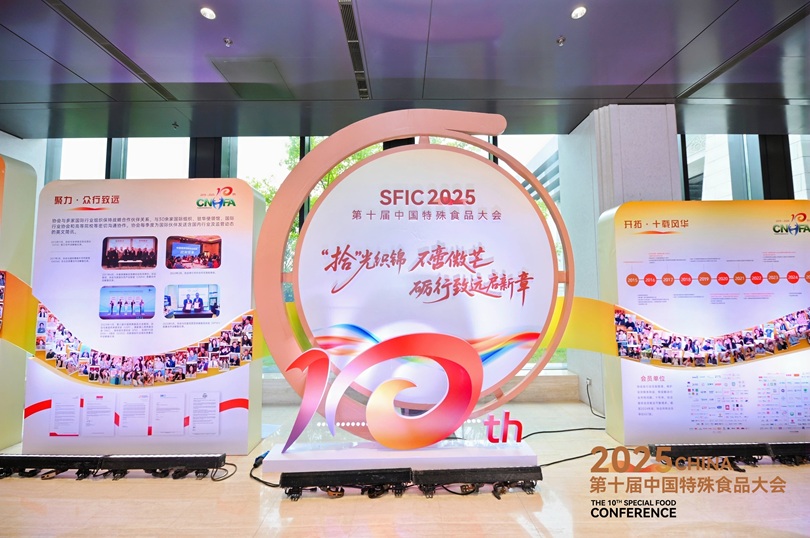
ChemLinked attended a Thematic Session: Protein Science and Nutrition Innovation Forum, under "The 10th China Special Food Conference". Experts from research institutes and industry delivered comprehensive presentations covering nutritional science, international regulatory frameworks, and consumer insights, offering valuable guidance for product strategy development amid accelerating population aging.
Protein Intake and Regulatory Trends
Huo Junsheng, Researcher at the National Institute for Nutrition and Health, China CDC, opened with an overview of the fundamental role of protein in human structure and metabolism. He emphasized that although the overall protein intake of Chinese residents meets recommended levels, the intake of high-quality protein remains insufficient. The gap is particularly pronounced among older adults.
Key Findings from the 2025 National Protein Intake Status Report:
1. Overall intake remains inadequate:
45% of adults fail to reach the recommended daily protein intake, with rural residents and the elderly being most impacted. Data indicate that 89.55% of the elderly suffer from insufficient protein intake due to declining digestive and absorptive capabilities. Furthermore, the intake of high-quality protein in rural areas is only 37% of that found among urban residents.
2. Low proportion of high-quality protein:
Although the proportion of high-quality protein derived from legumes and poultry has increased compared to the past, it remains below ideal levels. Over half of respondents incorrectly believe that plant proteins are more easily absorbed than animal proteins, and only a small minority have achieved a scientifically balanced combination of animal and plant proteins.
Huo highlighted that older adults face several nutrition-related challenges, including sarcopenia, osteoporosis, and brain atrophy—three highly prevalent degenerative conditions. Extensive clinical evidence shows that protein supplementation significantly improves nondisease-related malnutrition, disease-related malnutrition, and sarcopenia. International guidelines widely recommend higher protein intake for seniors, for example, Japan suggests 1.2 g/kg/d, and similar or higher recommendations are recognized in the United States.
While many countries do not maintain dedicated protein standards for the elderly, they generally regulate protein through dietary guidelines, nutrition labeling rules, and specific provisions for special dietary foods. China is currently revising its national senior nutrition standards, which will further clarify protein supply requirements for the aging population.
Developments in China's Senior Nutrition Standards
March 30, 2024 - T/LXLY 28-2024 General Principles for Senior Nutrition Foods.
August 1, 2024 - T/CEAC 024-2024 General Principles for Senior Nutrition Foods.
November 19, 2024 - T/CFCA 0050-2024 General Principles for Senior Nutrition Foods.
May 7, 2025 - T/SATA 085-2025 General Requirement of Food for the Elderly.
August 1, 2025 - China National Health Commission published the GB XXXX-XXXX National Food Safety Standard Nutrition Supplement Foods for the Elderly (Draft), marking China's move toward becoming the world's first country with a mandatory national standard dedicated to senior nutrition foods.
China & Japan Senior Consumer Insights and Product Innovation
Hao Dan, Research Director at KANTAR Insight, shared findings from quantitative research across China and Japan, exploring seniors' health perceptions, nutritional needs, and attitudes toward health products.
She noted that both China and Japan are transitioning into deep aging at an unprecedented pace. The silver-haired population is becoming the most predictable and fastest-growing segment for nutrition products. Today's seniors strongly reject the "aging" tag in favor of vitality, sharpness, and control. Healthy aging is transforming into a concept of "renewed youth".
Evolving Consumer Health Concepts
Seniors widely embrace the concepts of "Food as medicine" and "better nutrient absorption", favoring safe, mild, free from side effects, food-like products. Brands are encouraged to "remove the medicinal impression" by using food-based formats, scientific formulations, small molecular structures, and low-lactose solutions while providing more convenient formats such as beverages and ready-to-drink products.
Health Behavior and Differing Patterns in China and Japan
Nearly 70% of Chinese seniors believe their daily diet cannot provide adequate essential nutrients. As a result, nutritional supplements combined with lifestyle adjustments have become standard practice. Medication, however, is viewed as a last resort due to consumers' aversion to a "drug-like feeling". In contrast, Japanese seniors are less likely to rely on health supplements and prefer addressing health concerns through diet first.
Three Major Opportunity Areas: Cognition, Mobility, and Immunity
Cognition: Over 60% of seniors experience or worry about cognitive decline. China's market remains dominated by single-function products, such as DHA products, while global markets offer multi-benefit formats. Future innovation should focus on perceivable, combined benefits such as memory, sleep, and mood support.
Mobility: The market for bone and joint health products is mature, but the link between "muscle health" and "mobility" remains poorly recognized among Chinese seniors. Protein intake declines significantly with age and is notably lower than in Japan, resulting in a substantial intake gap. In Japan, protein-based solutions for bone, joint, and muscle health form a mature and diverse market, offering strong reference value.
Immunity: The immunity market is large and highly fragmented, with consumers using a diverse range of products (e.g., protein powders, traditional Chinese medicine supplements, and yogurts).
Hao notes that this broad usage is driven by a core consumer perception: that achieving robust immunity is intrinsically linked to maintaining a holistic state of health, which requires comprehensive nutritional supplementation. Reflecting this need, the international markets have already introduced "immunity + complete nutrition" solutions.
Outlook
As the global population rapidly enters deep aging, protein nutrition and senior-targeted health solutions represent one of the most promising growth areas. Companies developing future products are encouraged to build strategies around:
Strengthening the scientific basis for protein intake,
Advancing food-based, easily absorbed nutritional formats, and
Building perceivable and multi-functional product solutions.
ChemLinked will continue to monitor regulatory developments and consumer trends to support clients in capturing opportunities in the senior nutrition sector and advancing both product innovation and compliance.
 We provide full-scale global food market entry services (including product registration, ingredient review, regulatory consultation, customized training, market research, branding strategy). Please contact us to discuss how we can help you by