Request a Demo
The 6th List of Additional Certified Organic Products was published by CNCA on June 19, 2018 and included OPO, also known as SN-2 palmitate. According to associated regulatory stipulations use of OPO is limited to nutritional fortification. The change in status is likely to have significant impact on the market.
Formula upgrading
Under current Chinese regulations, the vast majority of optional ingredients permitted for use in infant formula are not eligible for organic certification. According to statistics from NaiFenQuan, a media outlet specializing in China’s dairy and infant fomula sector, there are 17 registered organic infant formula product lines on the market. These products almost all contain: DHA, ARA, fructo-oligosaccharide and linolenic acid. (see picture below). Based on the new status of OPO we can expect many organic products to use this substance in their formulae.
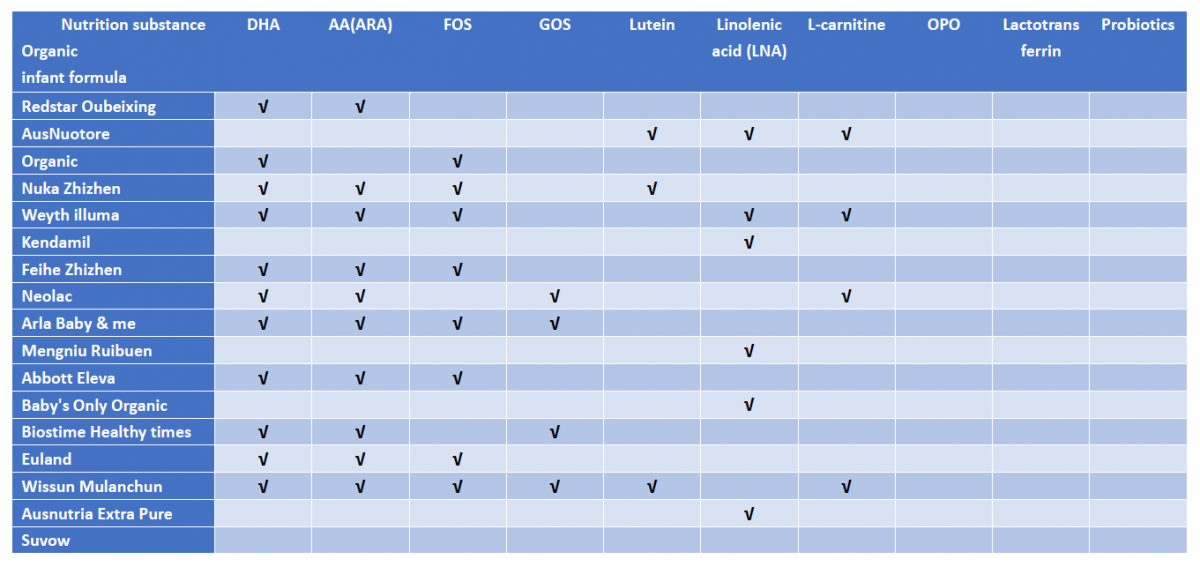 However at present none of these products contain OPO, because in the past the addition of OPO would have disqualified the product from organic certification eligibility based on the fundamental requirement that 95% of a products ingredients must be organic, i.e. 95% of product weight is made up of ingredients included in the List of Certified Organic Products issued by CNCA. However even companies that meet this “95% rule” will still require organic product certification and prior assessment and approval by regulatory authorities.
Price inflation
At present organic infant formulas are priced at RMB 400 or so per tin. (see picture below) Last year, a study carried out by research institute Mintel revealed that 75% of Chinese mums feed their babies organic infant formula. Despite the hefty price tag, Chinese parents are willing to pay more for premium baby foods.
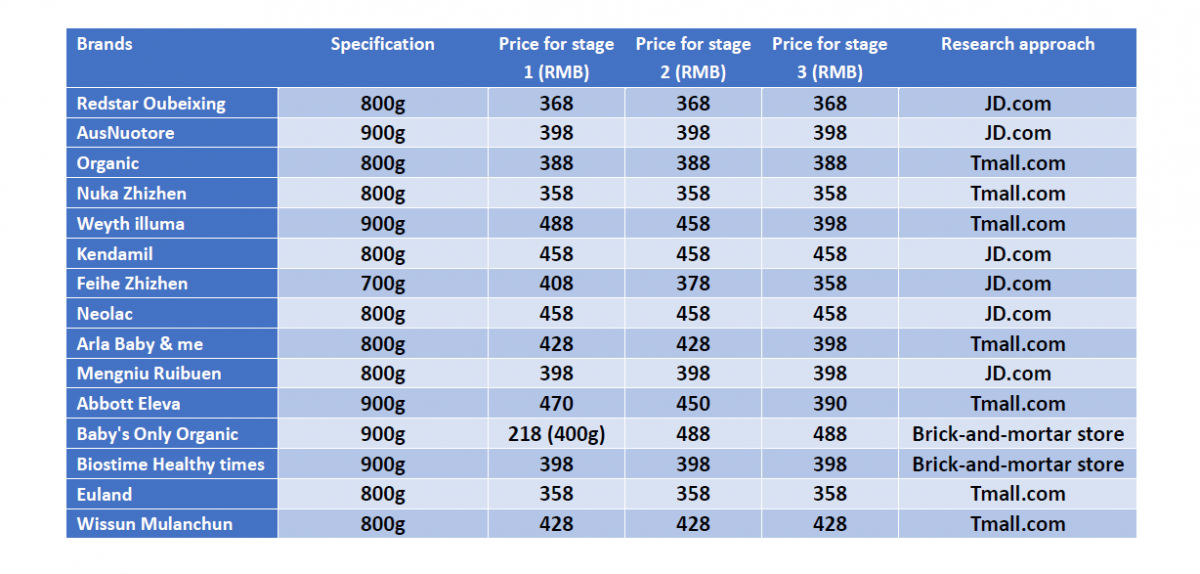 Use of OPO and product retail price are closely correlated. Dairy industry analyst Song Liang noted, “Adding OPO to infant formula poses considerable technical challenges during production and predicts a corresponding increase in retail price”
Registration
Although OPO’s new organic status is likely to prompt more manufacturers to consider its usage, this must also be balanced by the associated regulatory compliance issues inherent in reformulating existing products or alternatively developing new products for the Chinese market.
Chemlinked will append the Catalogue of Organic Products Certification in our flist later.
Q&A
What classifies an infant formula product as organic?
First of all, it has to meet the fundamental requirement for organic product certification requirements, namely, “95% of its ingredients are organic and listed in the Catalogue of Certified Organic Product”. Then, the manufacturers have to apply for a certificate of organic product (not the same with the Catalogue of Organic Product Certification) to gain the approval to use “organic food” claims.
Is all OPO on the market organic or are there other sources of OPO?
Only certified product be claimed as “organic”. So far no OPO has been granted certificate, so there is no organic OPO on the market in China.
There are natural OPO and artificial OPO. The former exists in breast milk, cow milk, etc. (only 3%~5%). Currently OPO sold on the market is made through bio-enzyme treatment
Natural OPO at present, commonly used OPO is artificial OPO made from enzymolysis. But all OPO is considered organic.
Elaborate on labeling of OPO and organic labeling for infant formula?
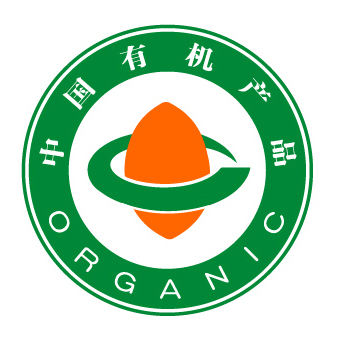
The labeling of organic infant formula is the same with that of ordinary formula. But since it is organic product, a logo/mark of “中国有机产品” and “ORGANIC” can be used in the package of certified organic products.
As to OPO labeling, manufacturers can only mark the concentration of OPO in the labeling because China has not yet set standard nutritional claims for OPO.
 We provide full-scale global food market entry services (including product registration, ingredient review, regulatory consultation, customized training, market research, branding strategy). Please contact us to discuss how we can help you by