Request a Demo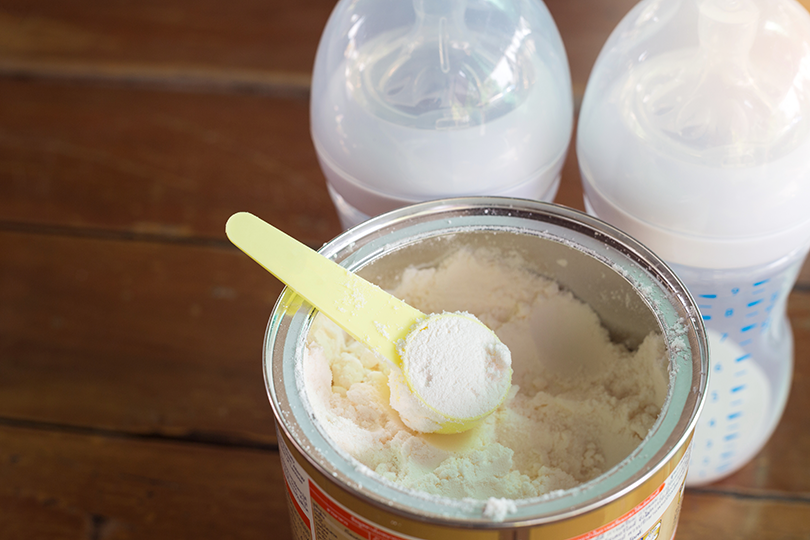
On August 15, 2024, the Philippine FDA issued a draft circular regarding the adoption of Codex Guidelines for Follow-Up Formula for Older Infants and Product for Young Children (CXS 156-1987) as Technical Regulation. Any comments can be sent to [email protected] till August 30.
Background
The Philippines has been adopting the Codex Standard for high-risk foods, such as follow-up formula (CXS 156-1987), as technical regulations. In response to amendments made in 2023, and to align with the latest product requirements for follow-up formula, the revised standard (CXS 156-1987 Rev. 2023) is hereby adopted.
Application scope
This circular aims to apply to all follow-up formula or milk supplements for older infants and product for young children.
General requirements
The Revised Codex Standard for Follow-up Formula and Product for Young Children (CX 156-1987 Rev. 2023) and its latest revisions shall be followed. Besides, the future revisions/amendments/updates shall be adopted automatically through the mandated legal procedures. For businesses engaging in the sale, importation, and distribution of follow up formula or milk supplement and product for young children, a Certificate of Product Registration (CPR) shall be obtained as per FDA Circular 2020-033 Procedure for the Use of the Modified Electronic Registration System for Raw Materials and Prepackaged Processed Food Products.
Specific requirements
The circular stipulates specific requirements for follow up formula or milk supplement and product for young children, covering the guiding principles, food additives, contaminants, hygiene, fill of containers, labeling, as well as analysis and sampling. These requirements are outlined as follows:
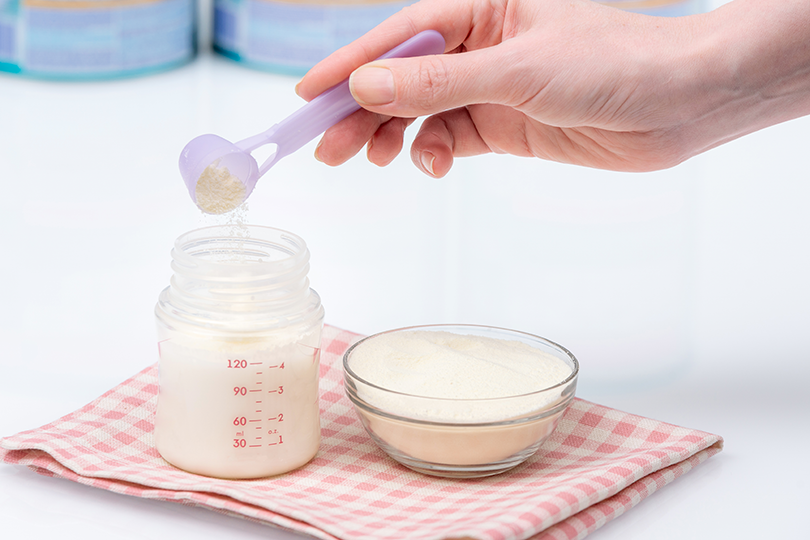
Guiding principles: Follow-up formula for older infants is a milk-based product or a mixture of ingredients proven safe and suitable for feeding older infants. Its nutritional safety and adequacy must be scientifically demonstrated to support growth and development. When prepared for consumption, it must contain at least 60 kcal (251 kJ) and not more than 70 kcal (293 kJ) of energy per 100 ml. In addition, it must meet specific nutrient requirements for protein, lipids, carbohydrates, vitamins, and minerals.
Food additives: Only acidity regulators, antioxidants, emulsifiers, packaging gases, and thickeners listed in the General Standard for Food Additives (CXS 192-1995) for food category 13.1.2 (Follow-up formulae) are permitted. No flavorings are allowed. Carry-over of food additives from raw materials or ingredients is permitted under specific conditions.
Contaminants: Products must comply with the maximum levels for contaminants and toxins set by the General Standard for Contaminants and Toxins in Food and Feed (CXS 193-1995).
Hygiene: Products should be prepared and handled according to the General Principles of Food Hygiene (CXC 1-1969) and relevant Codex standards, and comply with established microbiological criteria.
Fill of containers: For ready-to-eat products, the fill of the container must be at least 80% v/v for products under 150 g, 85% v/v for products between 150 g and 250 g, and 90% v/v for products over 250 g.
Labeling: Product labeling shall follow Administrative Order 2014-0030, Department Circular 2008-0006, IRR of EO 51, and the Guidelines for Use of Nutrition and Health Claims (CXG 23-1997). Key labeling items include:
1. Name of the product
2. List of ingredients
3. Declaration of the nutritive value
4. Date marking and storage instructions
5. Information for use
6. Additional labeling requirements, for example, labels should not discourage breastfeeding.
Analysis and sampling: Analysis and sampling methods from the Recommended Methods of Analysis and Sampling (CXS 234-1999) shall be used for checking product compliance with this standard.
 We provide full-scale global food market entry services (including product registration, ingredient review, regulatory consultation, customized training, market research, branding strategy). Please contact us to discuss how we can help you by