Request a Demo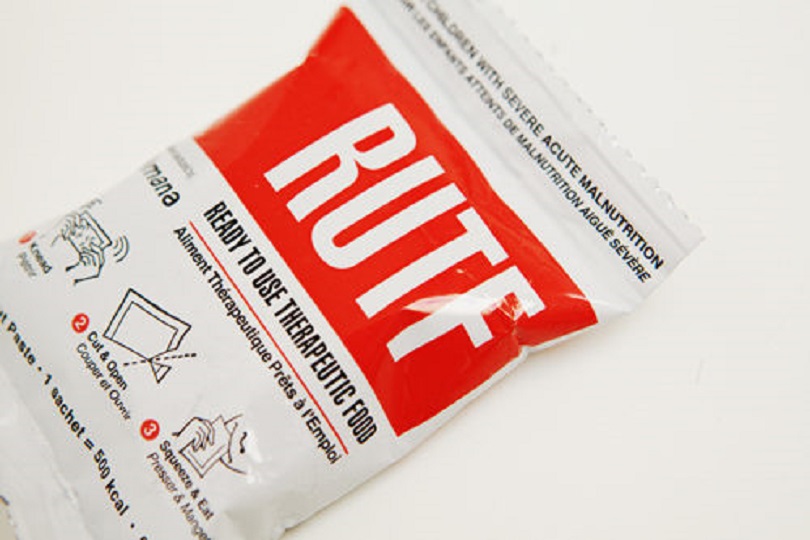
On July 31, 2024, the Philippines FDA issued a draft circular regarding the adoption of Codex Guidelines for Ready-To-Use Therapeutic Foods (RUTF) as Technical Regulation. Any comments can be sent to [email protected] till August 16.
Background
RUTF targets the dietary management of children from 6 to 59 months with severe acute malnutrition (SAM) without medical complications with appetite. It is a kind of food for special medical purposes containing high energy, adequate protein, and other essential nutrients. These foods should be soft or crushable and should be easy for children to eat without any prior preparation.
Currently, there is no Filipino reference standard can be used as the regulation basis of RUTF. To ensure quality and safety of RUTF for vulnerable children with SAM, the Codex Guidelines for RUTF (CXG-95-2022) is hereby adopted.
Application scope
This circular aims to apply to RUTF for children aged from 6 to 59 months with SAM, and shall not cover Ready-to-use Supplementary Foods (RUSF), micronutrient supplements, processed cereal-based foods, formulated complementary foods for older infants and young children, and canned baby foods.
General requirements
The Codex Guidelines for RUTF and its latest revisions shall be used as the regulation of RUTF in the Philippines. Besides, the future revisions/amendments/updates shall be adopted automatically through the mandated legal procedures. For businesses engaging in the sale, importation, and distribution of follow up formula, milk supplement and product for young children, a Certificate of Product Registration (CPR) shall be obtained as per FDA Circular 2020-033 Procedure for the Use of the Modified Electronic Registration System for Raw Materials and Prepackaged Processed Food Products.
Specific requirements
The circular stipulates specific requirements for RUTF, covering raw materials and ingredients, nutritional composition, contaminant levels, processing, GMP, packaging and labeling. These requirements are outlined as follows:
Ingredients: RUTF are energy and nutrient-dense foods made from ingredients embedded in a lipid-rich matrix, such as paste or biscuit, and must comply with specific standards. Suitable locally-sourced ingredients include milk products, legumes, seeds, fats, oils, milled cereals, roots, tubers, vitamins, minerals, and specific carbohydrates, all of which must be in line with relevant Codex Alimentarius standards and practices to ensure safety, nutritional adequacy, and proper absorption for individuals with severe acute malnutrition.
Nutritional composition: RUTF should have an energy density of 5.2-5.5 kcal/g, with proteins providing 10-12% of the total energy and lipids providing 45-60%. Protein quality must meet a PDCAAS of at least 0.9, with at least 50% of the protein derived from milk products. RUTF must include specific vitamins and minerals per Annex A and maintain a water activity of 0.6 or below to ensure low moisture content.
Contaminants: RUTF and its ingredients must comply with the General Standard for Contaminants and Toxins in Food and Feed (CXS 193-1995), Maximum Residue Limits (MRLs) and Risk Management Recommendations (RMRs) for Residues of Veterinary Drugs in Foods (CXM 2-2023), and Codex Alimentarius Maximum Residue Limits for Pesticides.
Processing: Processing technologies must be validated to ensure they do not compromise nutritional value and reduce antinutritional factors. Methods like milling, grinding, roasting, and toasting can be used, considering the target group's needs and nutrient integrity. Good hygiene practices, as outlined by the General Principles of Food Hygiene (CXC 1- 1969) and the Code of Hygienic Practices for Low-Moisture Foods (CXC 75-2015), are essential.
Packaging: RUTF should be packaged to maintain its hygienic and nutritional qualities throughout its shelf life, in materials that are safe and suitable. If there are existing Codex Alimentarius standards for these materials, those standards must be followed.
Labeling: The labelling of RUTF shall be in accordance with the Standard for the Labelling of and Claims for Foods for Special Medical Purposes (CXS 180-1991), the General Standard for the Labelling of and Claims for Pre-packaged Foods for Special Dietary Uses (CXS 146- 1985), and the Guidelines on Nutrition Labelling (CXG 2-1985). In addition, nutrition and health claims are prohibited. Key labeling items include:
1. Food name
2. Ingredient list
3. Additional labeling requirements for FSMP
4. Additional statements for RUTF
5. Instructions for use
 We provide full-scale global food market entry services (including product registration, ingredient review, regulatory consultation, customized training, market research, branding strategy). Please contact us to discuss how we can help you by