Request a Demo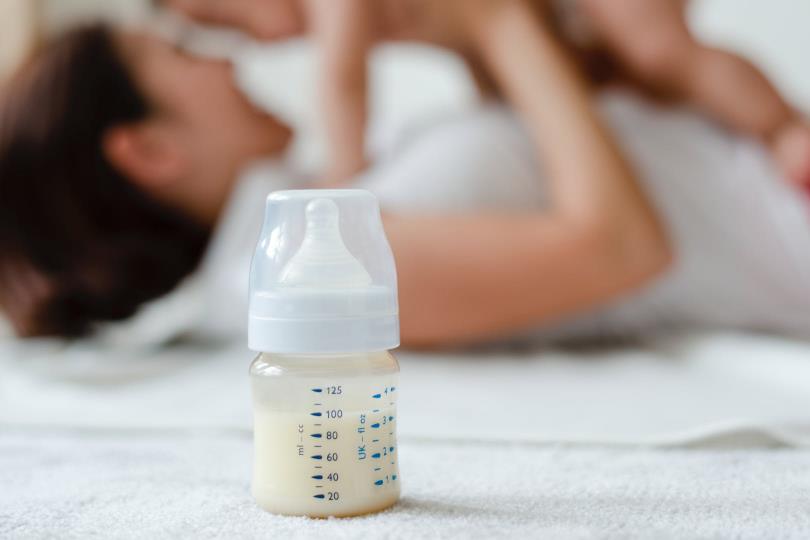
On Sep. 1st, Wyeth declared that its special infant formula product (启赋敏适) would make its first appearance in China on Tmall.com and begin retail on September 20th, before ultimately making its way onto the rest of China’s ecommerce platforms.
China requires registration of special infant formula and will implement its new FSMP policy (scope includes special infant formulae) on Jan. 1st, 2019. A concession has been offered whereby all FSMPs including special infant formula foods produced before the implementation deadline will be allowed to be sold until their expiration date.
Up to now, 13 infant foods for special medical purposes have been registered with SAMR, none of which are owned by Wyeth, although it has successfully registered 3 ordinary infant formula product lines. The transitional period for food for special medical purposes (FSMP) is longer than that of infant formula which will allow Wyeth the opportunity to position itself in the special infant formula market while it simultaneously purpose registration.
In April, Mead Johnson announced the introduction of Nutramigen LGG, an extensively hydrolyzed casein formula, to China. Nutramigen LGG enjoys a 75 year safe consumption history in America which is a considerable advantage for it in the niche market of special formula for infants allergic to cow’s milk protein. However despite this competition China’s special infant formula market is still relatively unsaturated and offers good potential.
China’s special infant formula market is valued at $450m and it is projected that the market will be valued at $1.5b by 2020, according to dairy industry specialist Song Liang. Statistics generated by Nielsen, show that the market for cow’s milk allergy alone currently amounts to $180m and is expected to be $330m by 2021. In addition research carried out by China Center for Disease Control and Prevention in 33 cities shows that the rate of 0~2-year-old babies who had or have allergy is 40.9%.
Song offered some reasons for the rapid growth in this market:
Conventional infant formula faces a growth bottleneck, and dairy manufacturers are looking for new growth points
The increased incidence of baby allergies (probably partly due to increased awareness and increased rates of diagnosis) has occasioned a concomitant rise in parents awareness of special infant formula
 We provide full-scale global food market entry services (including product registration, ingredient review, regulatory consultation, customized training, market research, branding strategy). Please contact us to discuss how we can help you by