Request a Demo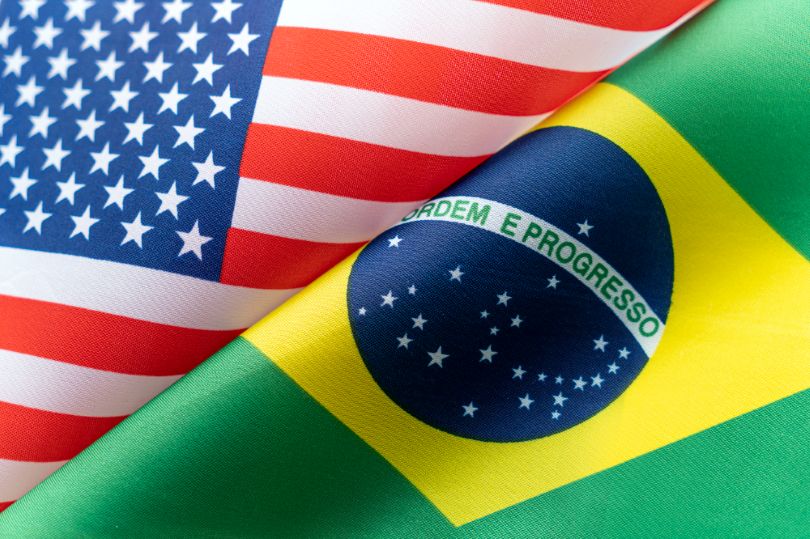
What began as a potential 50% tariff threat on Brazilian goods by the United States has evolved in recent weeks from an impending crisis into a catalyst for strategic realignment on the global trade chessboard. While Brazilian diplomacy works to mitigate risks with its long-standing partner, its productive sectors, with a blend of pragmatism and urgency, are already looking to the horizon. In this view, China is seen not merely as an alternative, but as the principal destination for an inevitable reconfiguration of their value chains.
Active Diplomacy and the Voice of Productive Sectors
Since establishing an inter-ministerial working group, the Brazilian government has intensified its diplomatic outreach. The Ministry of Foreign Affairs, in coordination with the Ministry of Development, Industry, Trade, and Services (MDIC), has maintained open channels of dialogue with Washington, arguing that such a measure would be detrimental to the mutual interests of both nations and disproportionate to any existing trade disputes.
However, the patience of Brazil's productive sectors is not infinite. The Confederation of Agriculture and Livestock of Brazil (CNA), in an official statement, reaffirmed the importance of the U.S. market but stressed that the "unpredictability generated by unilateral measures" compels the agribusiness sector to seek more stable markets with greater growth potential. The organization emphasized the need to accelerate trade agreements with other nations, a message echoed by associations representing meat, juice, and grain producers.
The Brazilian federal government, in turn, appears to have received this message. In recent statements, the Minister of Agriculture and Livestock, Carlos Fávaro, affirmed that while the priority is to resolve the impasse with the U.S., Brazil "cannot afford the luxury of waiting" and is fast-tracking negotiations to open new markets for dozens of agricultural products, with a special focus on Asia.
China: A Strategic Opportunity for Mutual Growth
A potential downturn in trade with the U.S. places China, already Brazil's foremost trading partner, in an even more prominent position. The opportunity extends far beyond simply increasing sales of soybeans or iron ore; it represents a chance to build a more diverse and resilient trade relationship with higher value-added products.
The Chinese government has shown a clear interest in expanding food imports from Brazil to ensure its long-term food security. Products such as coffee, corn, cotton, meats (beef and poultry), and tropical fruits, which could face barriers in the U.S., find in China a vast and expanding consumer market. The recent approval for dozens of new Brazilian meat plants to export to China is a clear signal of the deepening of our commercial ties, built on trust and reliability.
This strategic shift, however, is not without its complexities and requires dedicated effort.
Industry representatives have voiced concerns regarding the lengthy process of establishing new markets. They caution that a sustainable strategy requires the development of robust, long-term solutions, not just a simple redirection of current trade routes from the United States.
Challenges on the Path to a Deeper Partnership
1. Harmonizing Sanitary and Phytosanitary Protocols: China maintains a rigorous and high-quality import control system. Each product, especially of animal and plant origin, requires a specific bilateral protocol that can take time to negotiate. For Brazil to supply items such as dairy, processed fruits, or honey, it is essential to work collaboratively to overcome complex technical and sanitary barriers, ensuring all standards are met.
2. Building Robust Logistical Bridges: The geographical distance necessitates highly efficient logistics. Brazil understands the urgent need for investment in its port, rail, and storage infrastructure to ensure its products arrive in Asia competitively and reliably. Overcoming reliance on road transport is key to reducing costs and delivery times.
3. Streamlining and Simplifying Trade Channels: Business leaders and foreign trade associations have highlighted the need for reforming export processes. Simplifying channels, digitizing documents, and reducing the time for container clearance are crucial. Without a more agile business environment, Brazil risks not being able to meet market opportunities in a timely manner.
Conclusion: A Point of Inflection for Brazil's Global Role
The tariff tension with the United States, while a matter of concern, is serving as a powerful catalyst for Brazil to reassess its international strategy. A diplomatic approach remains the preferred path to preserve a historic and economically significant relationship. However, the situation has exposed the vulnerability of over-reliance on a few markets and has compelled the nation to look with greater seriousness toward diversification and long-term stability.
The path to broadening and deepening the trade partnership with China and other Asian markets is clear. The success of this endeavor, however, will depend less on external circumstances and more on Brazil's commitment to its own development: investing in infrastructure, diligently negotiating technical agreements, and, above all, simplifying the business environment that currently constrains the country's immense productive potential. The future of Brazil as a key partner in global food security may be defined now, at this crossroads between West and East.
(*) About the author: Gerardo Figueiredo Junior is a senior partner at Zeigler Law Firm in Brazil, and the head of its International Food Law department. With extensive experience in navigating the complexities of global trade regulations, he is dedicated to building robust and sustainable commercial bridges for the food sector between Brazil and key international markets.
 We provide full-scale global food market entry services (including product registration, ingredient review, regulatory consultation, customized training, market research, branding strategy). Please contact us to discuss how we can help you by