Request a Demo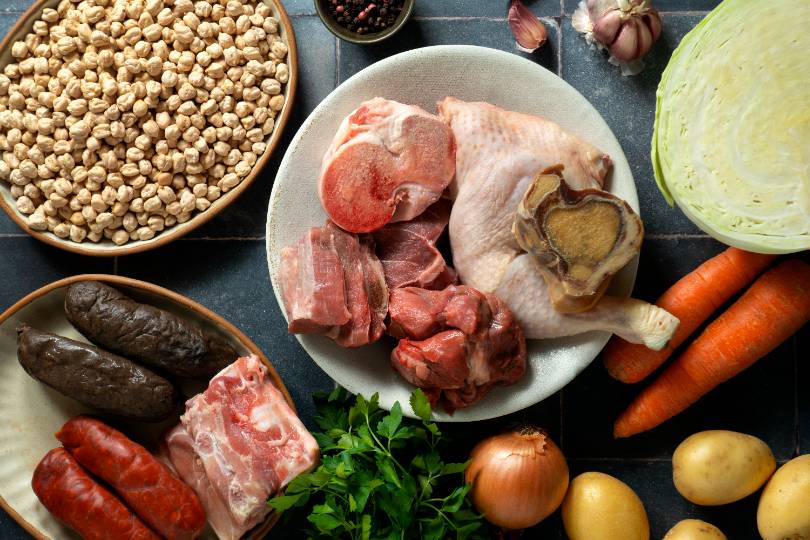
On December 15, 2025, China's State Administration for Market Regulation (SAMR) and National Health Commission (NHC) jointly released a public announcement1 formally incorporating four substances, including Red 2G, into the "List of Non-Edible Substances That May Be Illegally Added to Food (hereinafter the List)". This regulatory update, effective immediately upon release, aims to provide a solid legal foundation for food safety supervision and criminal crackdown on illegal additives.
Background
This announcement is part of the ongoing implementation of the Provisions for the Management of the List of Non-Edible Substances That May Be Illegally Added to Food, which was issued by SAMR in January 2024. The Provisions established a regulatory mechanism to identify and manage substances that fall outside the scope of substances already explicitly prohibited under existing food laws and regulations, but that may nevertheless be illegally added to food and pose potential health risks.
In June 2025, the SAMR, together with the NHC, released the first batch of the List, incorporating sildenafil analogues and tadalafil analogues into the List. The current release represents the second batch. The List will continue to be updated and refined in response to the identification of new non-edible substances, risk monitoring results, and evolving regulatory needs.
Key Updates
The specific substances and their corresponding testing methods are as follows:
No. | Substance | Designated Testing Method |
1 | Red 2G, Dimethyl yellow, and Diethyl yellow | Supplementary Food Inspection Method: Determination of Red 2G, Dimethyl Yellow, and Diethyl Yellow in Condiments, Bean Products, Meat Products, and Other Foods (BJS 202505) |
2 | Sibutramine and its derivatives | Supplementary Food Inspection Method: Determination of Sibutramine and Other Compounds in Food (BJS 201701) |
It is reported that Red 2G, Dimethyl Yellow, and Diethyl Yellow are industrial dyes that may be illegally used to color foods such as cured sausages to enhance appearance (making them look fresher or "spicier"), posing potential health risks.
Sibutramine is an anti-obesity drug that was withdrawn from the markets of China2, the United States3, and the European Union more than a decade ago due to increased risks of heart attack and stroke. Despite being prohibited, it continues to be frequently detected in illegally marketed "diet" products, such as coffees, jellies, and chocolates.
Once a substance is included in the List, its intentional addition may be identified as producing or selling toxic or harmful food, potentially leading to severe criminal liabilities, including life imprisonment or, in extremely serious cases, the death penalty.
For food manufacturers, particularly those in the condiments, meat processing, and functional food sectors, this update requires strengthening raw material control and product testing. Stakeholders should strictly follow the List, prevent illegal additions, and ensure export compliance.
 We provide full-scale global food market entry services (including product registration, ingredient review, regulatory consultation, customized training, market research, branding strategy). Please contact us to discuss how we can help you by