Request a Demo
According to China's Ministry of Housing and Urban-Rural Development [1], 46 key cities across the country will have basically completed waste classification and treatment systems by the end of 2020. China's new waste management system will place considerable emphasis on recycling, and it is hoped will stimulate industry to minimize or phase out the use of plastics in packaging. The regulation was first implemented in Shanghai, where the topic has been trending across social media and where the new waste management system is first being implemented as a pilot program before being refined and scaled up on a national level.
China's Waste Management System: An Overview of Key Articles
As the pilot city of China's newly developed garbage classification and waste management regulations, Shanghai has defined the waste classification, specific requirements and corresponding punishment measures. Included below are some of the most important articles [2]:
Waste Classification and Individual Responsibilities: Chapter I, article 4: stipulates that the classification standards of Shanghai household garbage are mainly as follows: recyclables (such as wastepaper), hazardous wastes (such as used batteries), wet wastes (perishable rubbish) and dry wastes. For individuals who do not place garbage in accordance with the classification requirements, the law enforcement department shall order them to correct immediately, and those who refuse to correct shall be fined between 50RMB to 200RMB (about 7.5USD~30USD).
Industry Responsibilities: Chapter iii, article 17, enterprises shall abide by the relevant national regulations on clean production, on the other hand, give priority to the selection of materials and designs that are easy to be recycled, disassembled, degraded, non-toxic or low toxic and low harmful, and produce products that are low in quantity and recyclable.
Impact on catering: Article 18 the packaging of products shall be reasonable, and the material, structure and cost of the packaging shall be suitable for the inner packaging products, to reduce the generation of packaging wastes. Catering service providers shall set thrifty consumption marks in catering service places to prompt consumers to order food in an appropriate amount. Catering service providers and catering distribution service providers shall not voluntarily provide disposable chopsticks, spoons and other tableware to consumers.
Punishments and Penalties: In Chapter 9, enterprise legal responsibilities are detailed, for example, if a catering service provider violates the second provision of Article 18, the SAMR shall order it to make corrections within a specified time, or it face fines ranging from 500RMB to 5000RMB (approx. equal to 75USD ~ 746 USD).
How can industry stakeholders thrive in new policy environment?
Food Sector and Waste Management: Main Direction and Obstacles
Although the urban garbage classification system directly impacts residents, it also heavily influences related industries, such as FMCG and the food packaging sector. The food sector now must really consider using green packaging to adapt to these regulations or simplify packaging to reduce consumer concerns.
At present, the main target of major multinationals is to realize 'plastic reduction'. Some are cutting back on plastic use, and some are replacing plastic with paper. McDonald's [3], for example, has switched from plastic to paper takeaway bags since 2007 and had reduced use of plastic bags by 2 billion as of 2017. Some brands are focusing on reducing the use of plastic straws. Starbucks saved more than 1 million plastic straws in just two months after switching to paper straws.
For more details of China First Green Packaging National Standard, please click here.
However, the switch from plastic to paper has not been without issue:
Consumers are reporting issues relating to structural integrity of paper products which tend to perform worse than plastic products.
Paper materials tend to cost more and in many instances these costs are passed on to the consumer.
Shanghai residents have already begun to be more conscious of their food purchases and are cutting back on unnecessary purchases to reduce subsequent waste. Despite major multinationals leading the way in environmentally friendly packaging solutions, smaller companies don't have the brand recognition to risk alienating customers and still rely on elaborate packaging to differentiate their offering.
China's Milk Tea Sector Facing Identity Crisis
In some parts of China's catering industry, the sudden arrival of the waste classification rules has come as an unwelcome surprise and is severely undermining marketing strategies which rely on elaborate and expensive packaging to attract customers. In recent years, China's milk tea industry has grown rapidly. Many of the larger franchises have invested considerable time and money in cup design and the versatility of the plastic materials used to make these cups is a huge factor in their success. Switching to paper cups or other sustainable materials poses a significant challenge from a design and customer engagement perspective.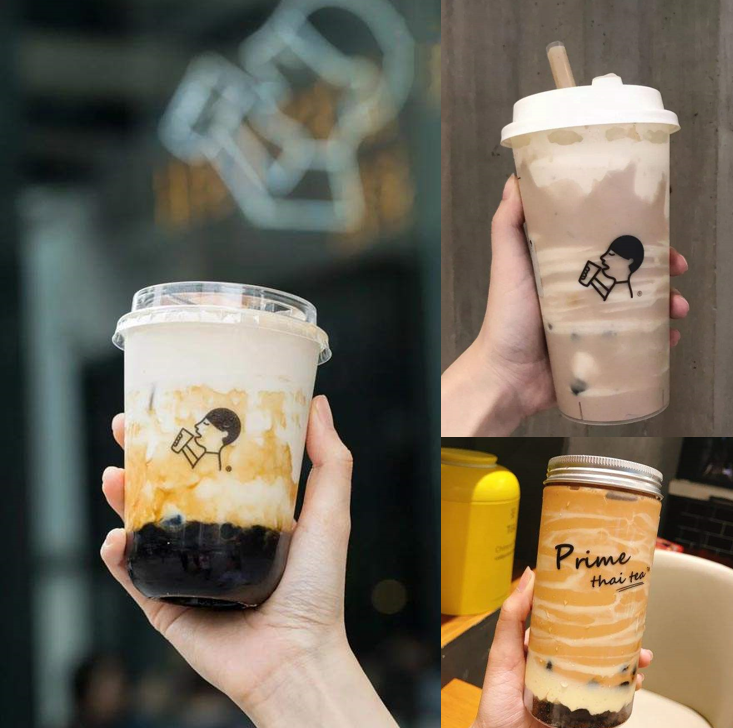 After the implementation of the garbage classification management in Shanghai, the packaging and contents of milk tea belong to different garbage categories. Therefore, disposal of milk tea containers poses some problems for consumers.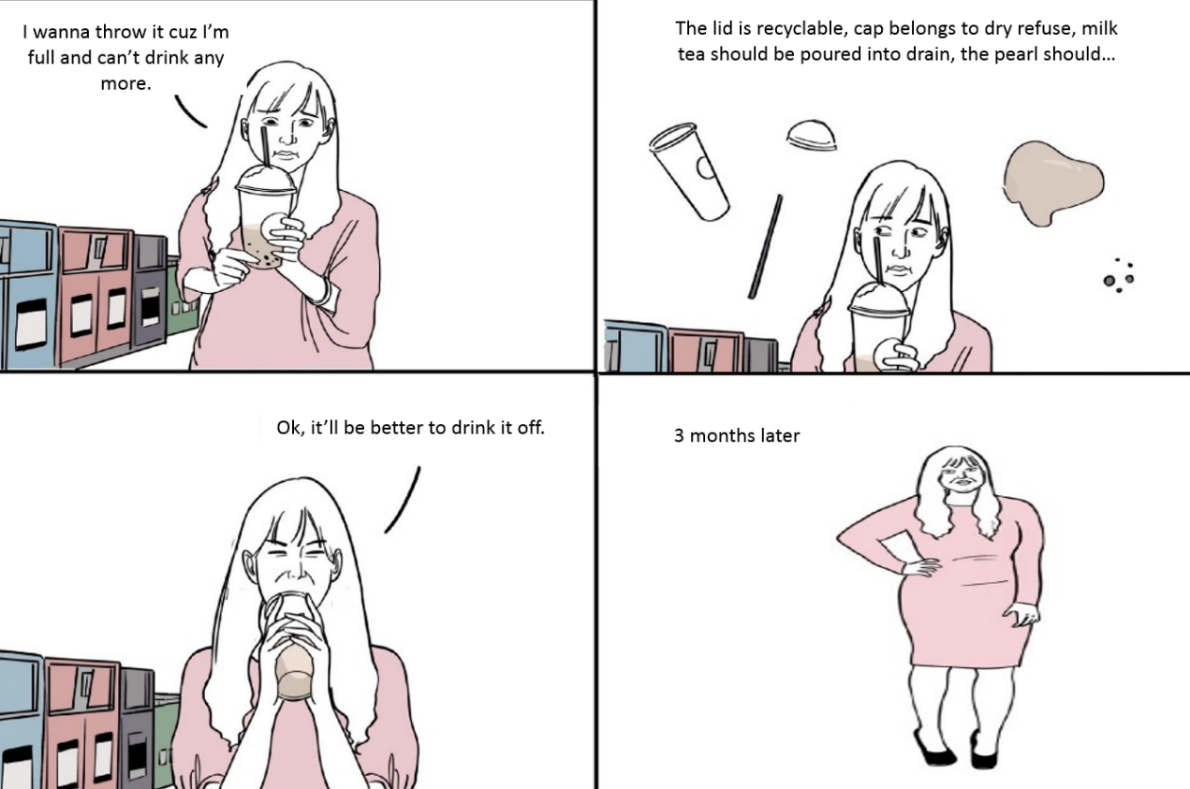
(Source: Weibo @姜茶茶,translated by ChemLinked)
For milk tea brands changing to paper cups is not a feasible strategy in the short term. So, are there any other innovative materials that milk tea brands can use? One plastic packaging material made of PLA could fit the bill. PLA is a raw material that is abundant and renewable, and mainly derived from corn and cassava. However, PLA is twice as expensive compared to ordinary plastic materials. Currently, PLA is only used in some stores such as Starbucks and 711 in Taiwan.
Positive Cases: Pepsi and Nestlé Yes!
To reduce the use of plastic, PepsiCo announced that starting from next year, its Lifewtr brand will use 100%rPET (recycled polyethylene terephthalate) packaging instead of the original packaging [4], and Bubly water will not use plastic packaging any more. PepsiCo indicates that the changes are expected to reduce greenhouse gas emissions by more than 8,000 tons and decrease plastic usage by approx. 11,000 tons. Last year, PepsiCo pledged that 100% of its packaging materials will be recyclable, compostable or biodegradable by 2025.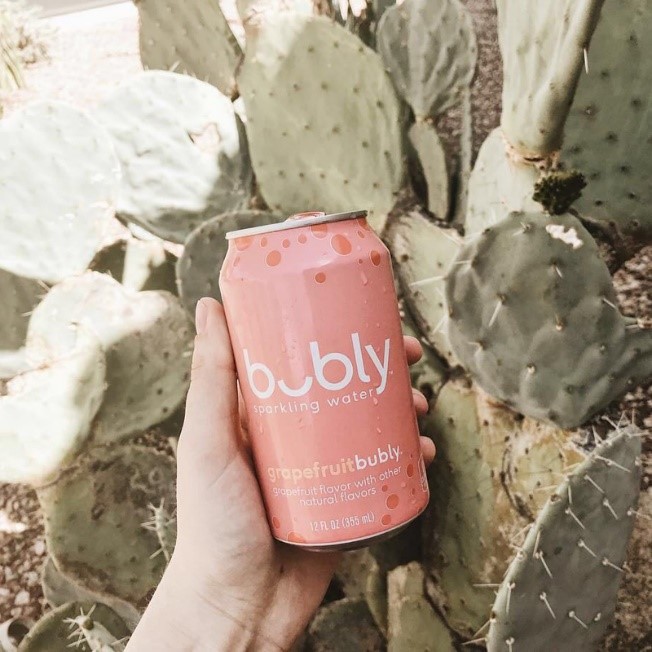 Recently, Nestlé's Yes! snack bar series launched with a new recyclable wrapping paper [5]. It is the first brand to convert to this new recyclable paper packaging. In the past, technical limitations restricted innovation in packaging to plastic film and laminating materials. Now, experts at Nestlé’s confectionery research and development center in York, UK, have found a solution which uses recycled paper packaging while still ensuring the quality, freshness and stability of the product.
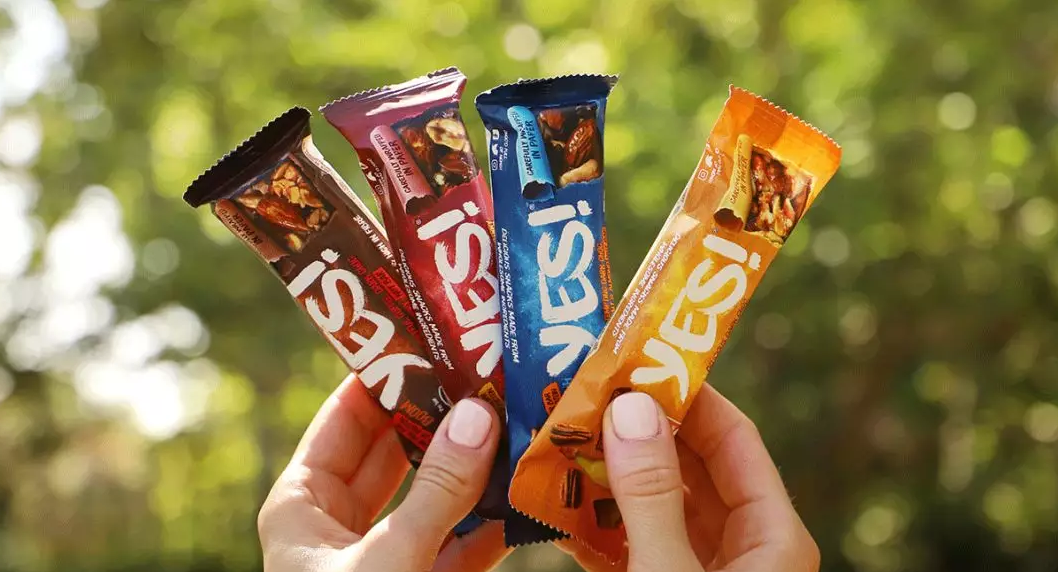 This technology took Nestlé around 10months to develop. Stefano Agostini, chief executive of Nestle UK and Ireland, says 'We try to make packaging easy to recycle. We took a big step forward by promising to have all our packaging recyclable or reusable by 2025.'
 We provide full-scale global food market entry services (including product registration, ingredient review, regulatory consultation, customized training, market research, branding strategy). Please contact us to discuss how we can help you by