Request a Demo
Contents
Market Condition
Company Dynamics
Regulatory Compliance

Market Condition
1. China’s food delivery landscape shifts as JD and Meituan face off. Since the launch of JD.com’s food delivery service, competition with Meituan has escalated significantly. JD has drawn widespread industry attention with bold initiatives, including providing full social insurance for its full-time couriers, limiting food delivery profit margins to no more than 5%, issuing over RMB 10 billion in consumer subsidies, and even having founder Richard Liu personally deliver orders. In response, Meituan unveiled a RMB 100 billion catering support plan and expanded its instant retail offerings. At the core of this escalating rivalry lies the battle for dominance in the rapidly growing instant retail sector, defined by “online orders delivered within 30 minutes.” While JD traditionally excels in logistics and electronics, and Meituan in local lifestyle services, the rise of instant retail is prompting both tech giants to encroach on each other’s core domains.

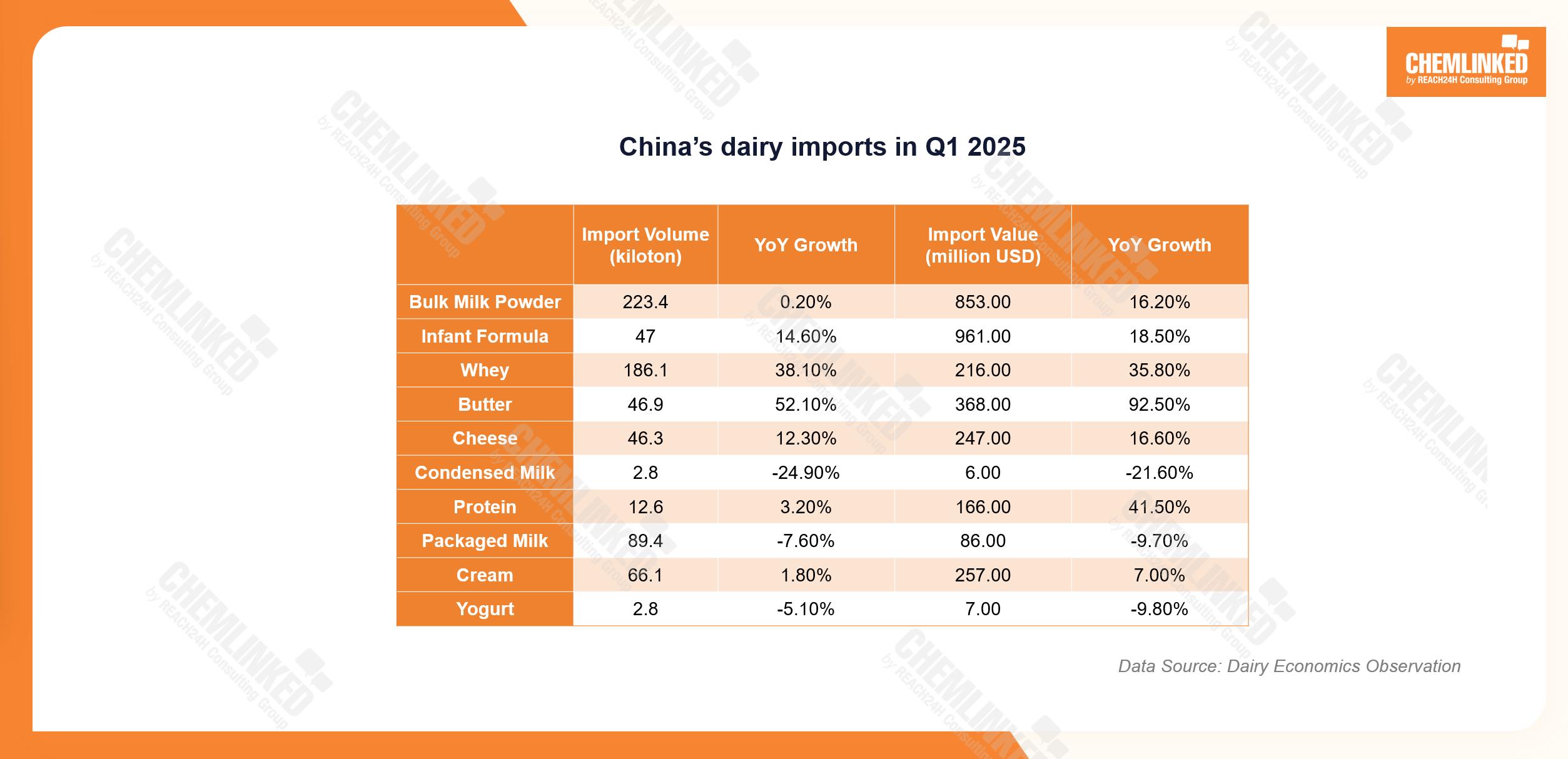
2. China imported 723,600 tons of dairy products in Q1 2025, up 11% year-on-year (YoY). Import value reached USD 3.167 billion, with a 23% YoY increase. Except for packaged milk, condensed milk, and yogurt, most categories saw year-on-year growth.
3. Chinese leading infant formula enterprises—Feihe, Yili, and Junlebao—have jointly launched a fertility subsidy program for eligible expecting families nationwide, totaling RMB 4.4 billion. The initiative aims to alleviate parenting-related financial burdens and support new-generation families. Since 2024, local governments across China have rolled out similar measures to encourage childbirth and raise the national birth rate.

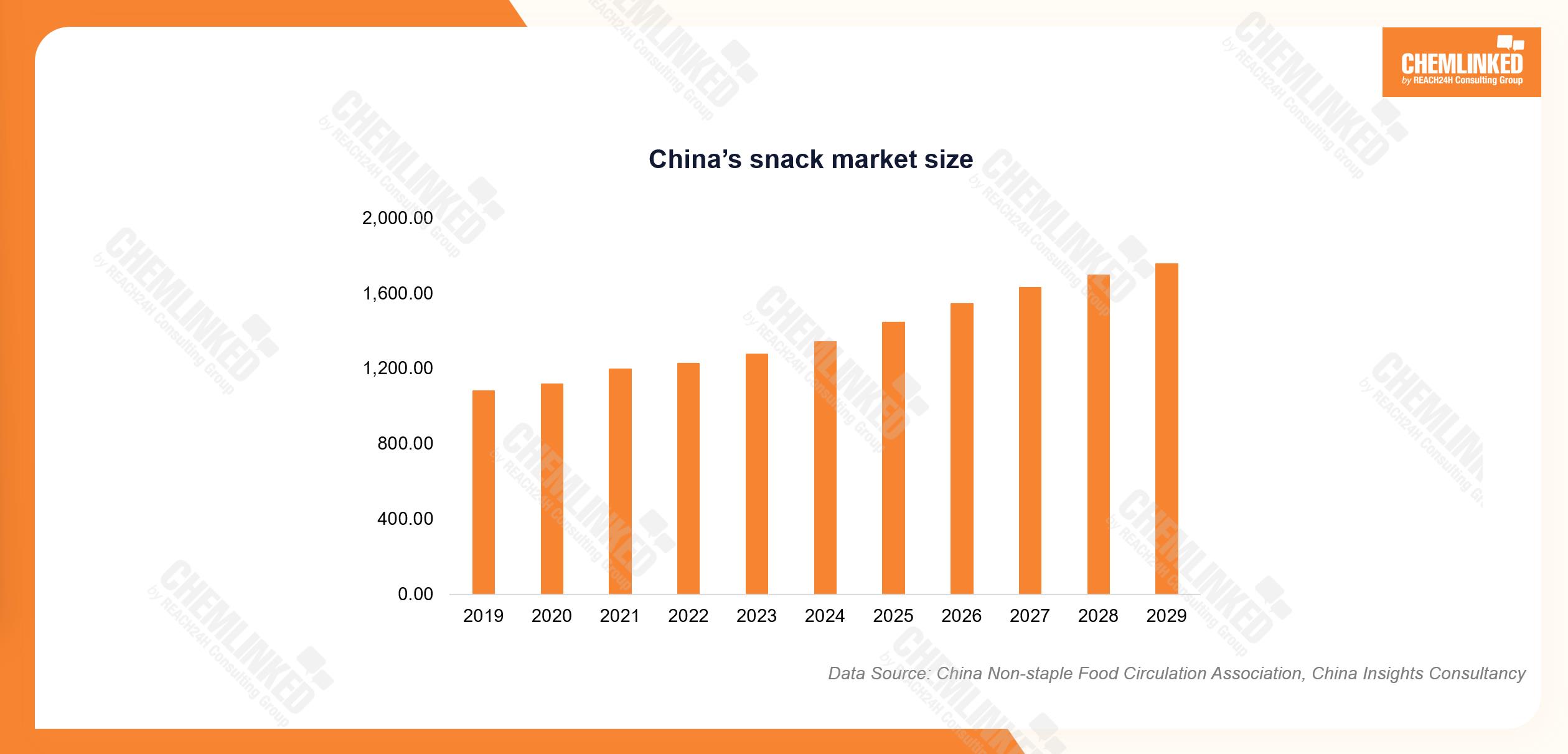
4. Data shows that China’s snack market reached RMB 1.344 trillion in 2024, with a compound annual growth rate (CAGR) of 4.4% since 2019. The market is projected to grow to RMB 1.7558 trillion by 2029, with an accelerated CAGR of 5.5% from 2024 onward. In online channels, content-driven e-commerce posted explosive growth, recording a CAGR of 90.3% between 2019 and 2024. Offline, discount retailers also expanded rapidly, with a CAGR of 46.6% over the same period.
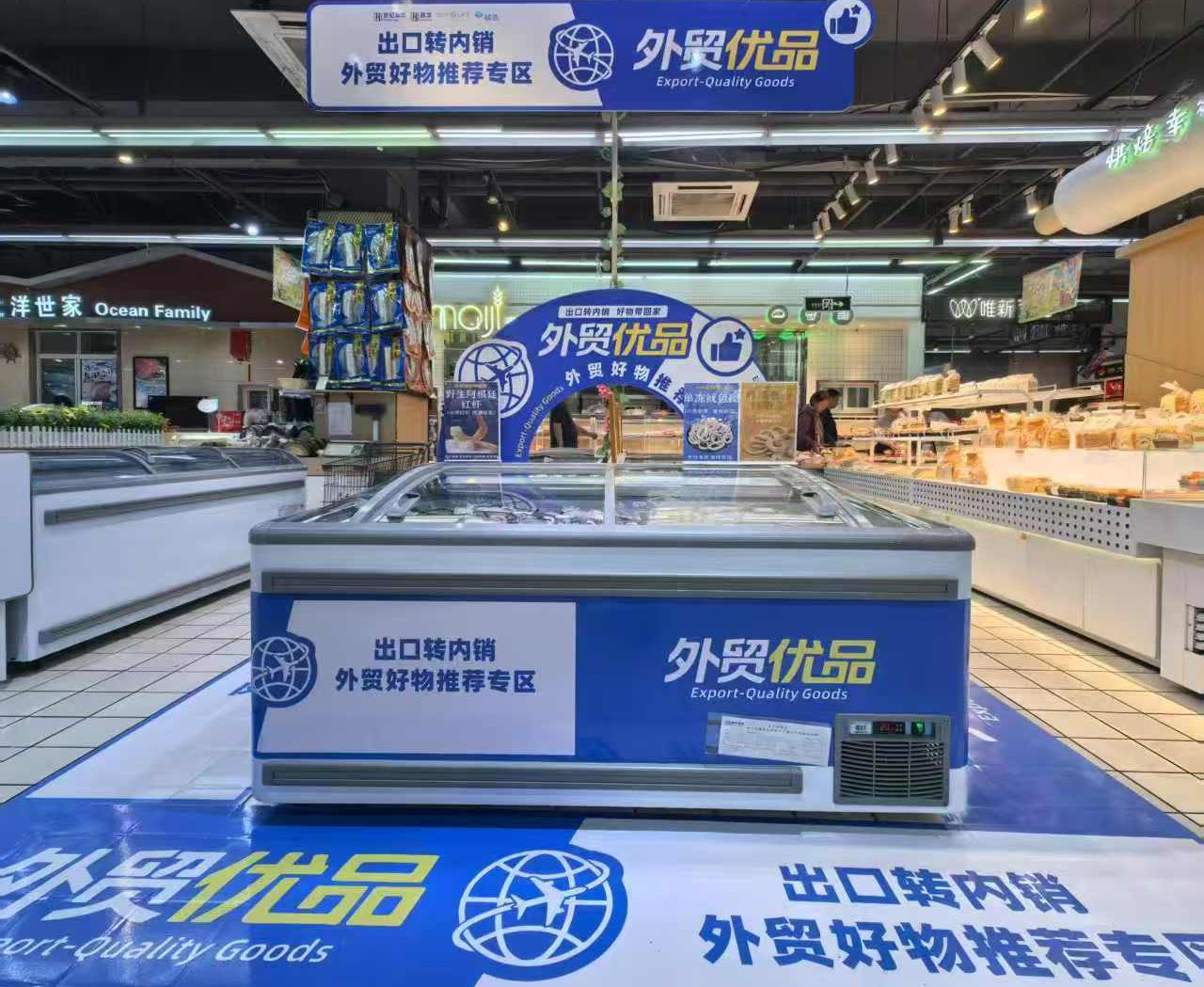
5. Amid ongoing trade tensions, leading Chinese retail chains and e-commerce platforms, such as Freshippo and JD, have rolled out targeted initiatives to support export-oriented businesses in shifting toward domestic markets. These programs offer priority sales channels and tailored assistance to facilitate the transition.
Company Dynamics
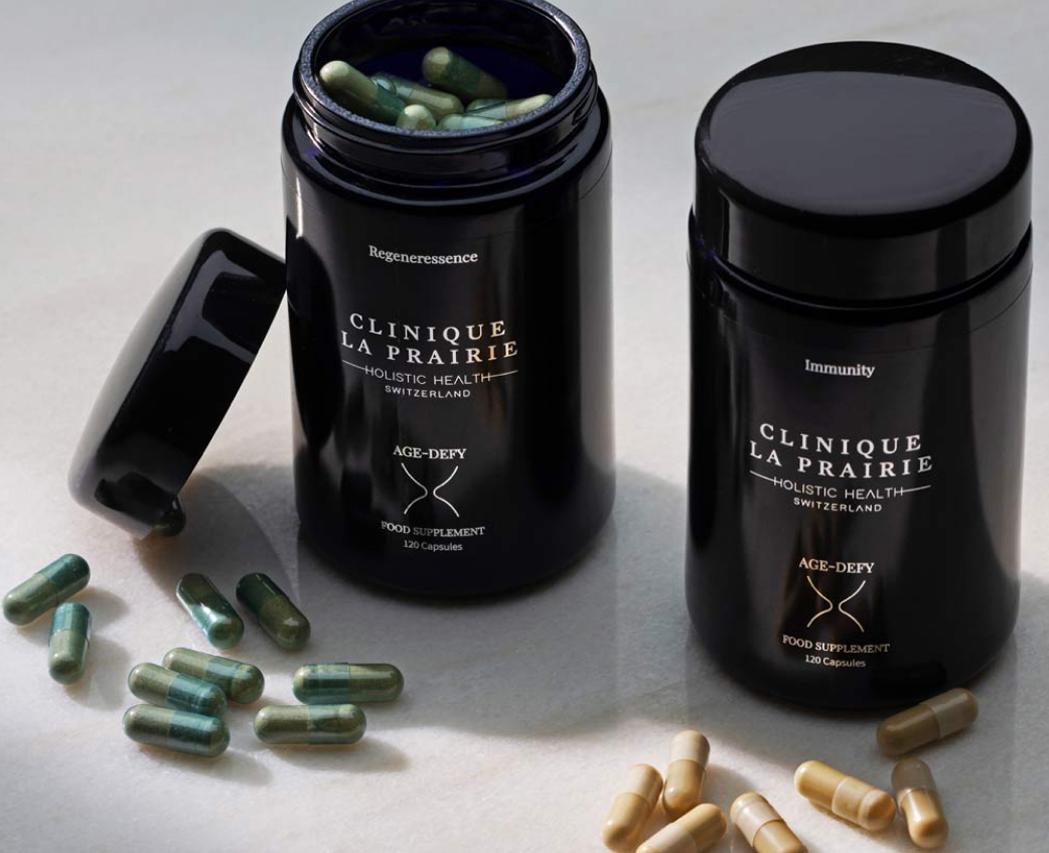
1.Clinique La Prairie Holistic Health became the first provisionally imported health food approved for use in the Bo’ao Lecheng International Medical Tourism Pilot Zone, Hainan Free Trade Port. This milestone follows a policy introduced in December 2024, which permits designated medical institutions within the zone to import overseas-approved foods for special medical purposes (FSMPs) and health foods that have not yet been registered in China.
2. Magnum Ice Cream (Shanghai) Co., Ltd. has been established with a registered capital of RMB 1.542 billion, fully owned by the Magnum Ice Cream Company HoldCo 3 Netherlands B.V. This move follows Unilever’s announcement of "The Magnum Ice Cream Company" as the name for its soon-to-be-separated ice cream division, which is expected to go public in Amsterdam, London, and New York by the end of 2025.
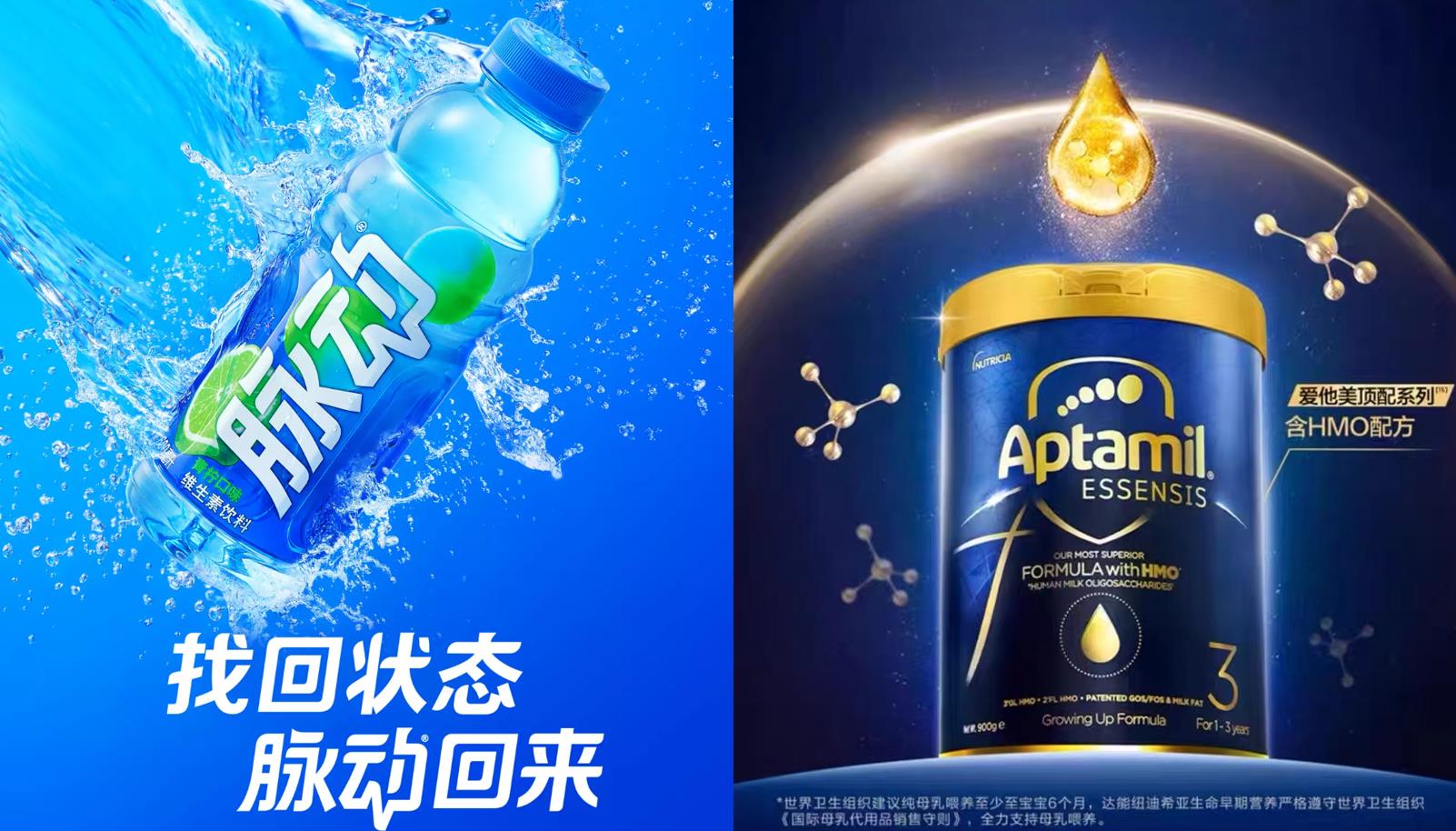
3. Danone reported a 4.3% YoY increase in global sales for Q1 2025, with the China-North Asia-Oceania (CNAO) region leading the growth at 9.9%—the highest among all regions. Within CNAO, strong performances in the Waters (led by Mizone) and Specialized Nutrition (led by Aptamil) business drove momentum, both achieving growth exceeding 10% YoY.
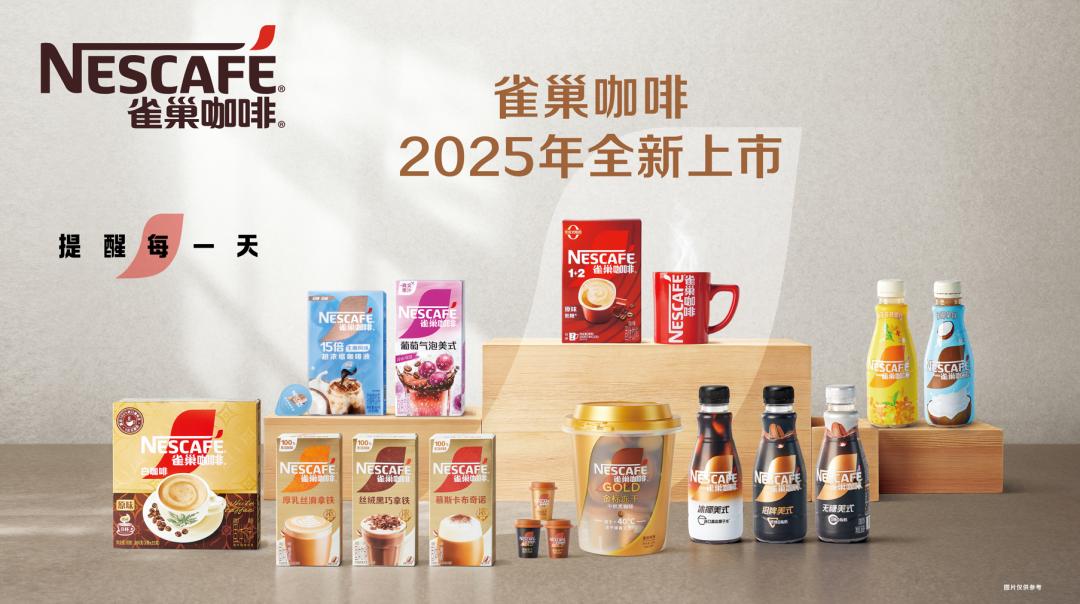
4. Nestlé has unveiled its 2025 product lineup, featuring a major upgrade to its classic 1+2 coffee free from hydrogenated oils and containing zero trans fats. Other highlights include the new Rich Series, White Coffee, Grape Sparkling Americano, ready-to-drink Americanos, and a premium freeze-dried coffee.
5. ADM responded to rumors of China trade business closure, clarifying that the recent adjustment pertains only to Toepfer International Trade (Shanghai) Co., Ltd.’s operations, impacting a small portion of staff. Other business activities in ADM’s Shanghai office remain fully operational.
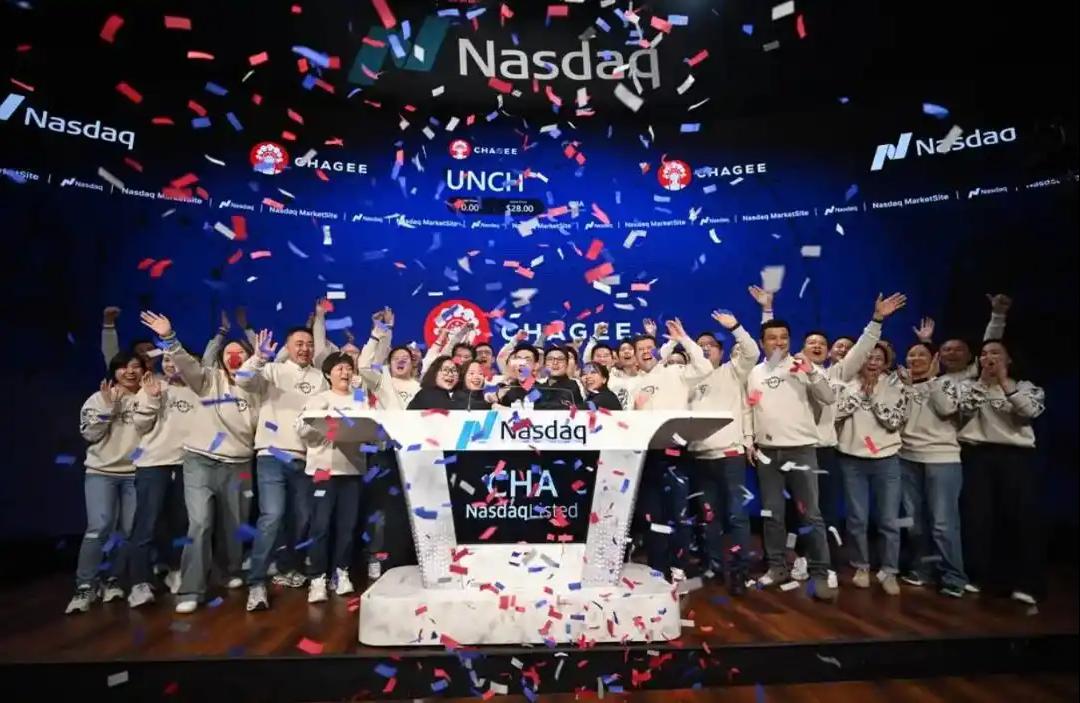
6. Chinese freshly-made tea beverage brand CHAGEE has officially listed on NASDAQ under the ticker symbol “CHA.” According to its prospectus, CHAGEE operated 6,440 stores globally by the end of 2024, a sharp rise from 1,087 in 2022. The brand recorded a GMV of RMB 29.5 billion in 2024. Its overseas presence spans Malaysia, Singapore, Thailand, and other countries, with 156 stores outside China.
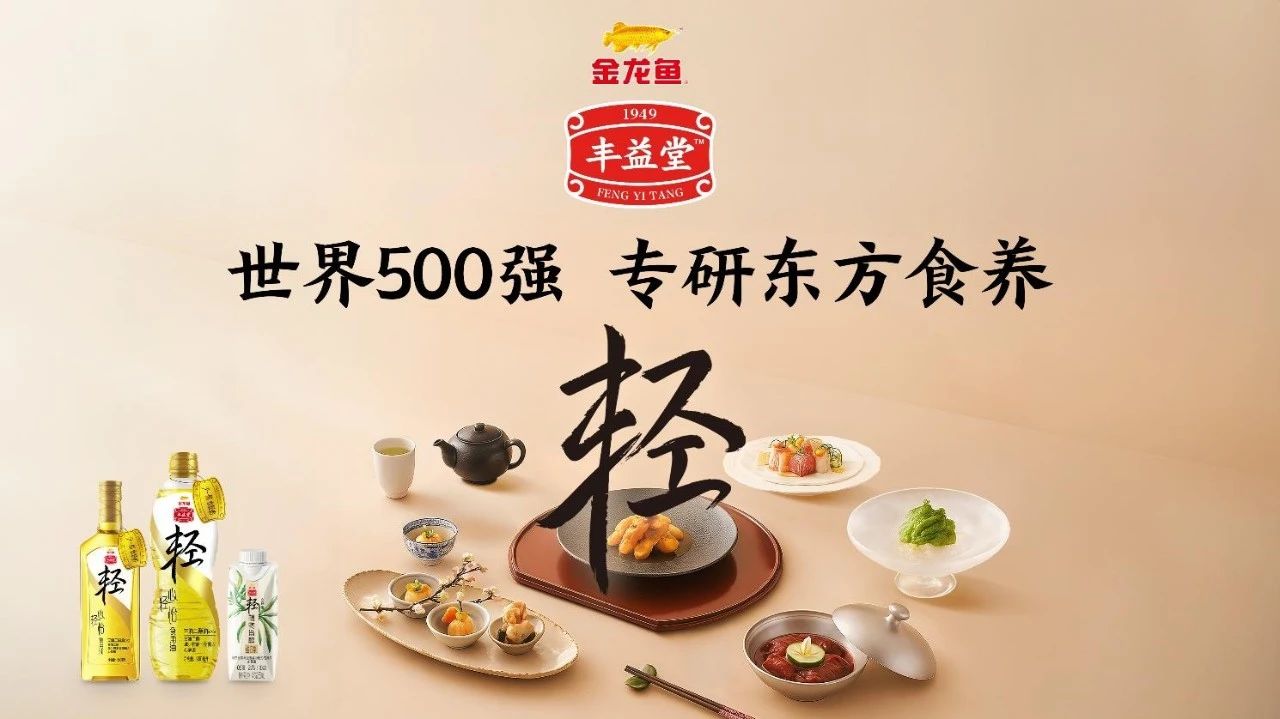
7. Yihai Kerry Arawana has unveiled its wellness brand "Arawana Feng Yi Tang," introducing products like diglyceride oils and plant sterol protein milk, targeting cardiovascular health and weight management. The launch marks the company’s strategic expansion beyond traditional grain and edible oils into the broader health food sector.As reported, the brand’s future product lines will focus on low-GI foods, DHA supplements for pregnant women and infants, MLCT oils for weight control, and vitamin E products for anti-aging.
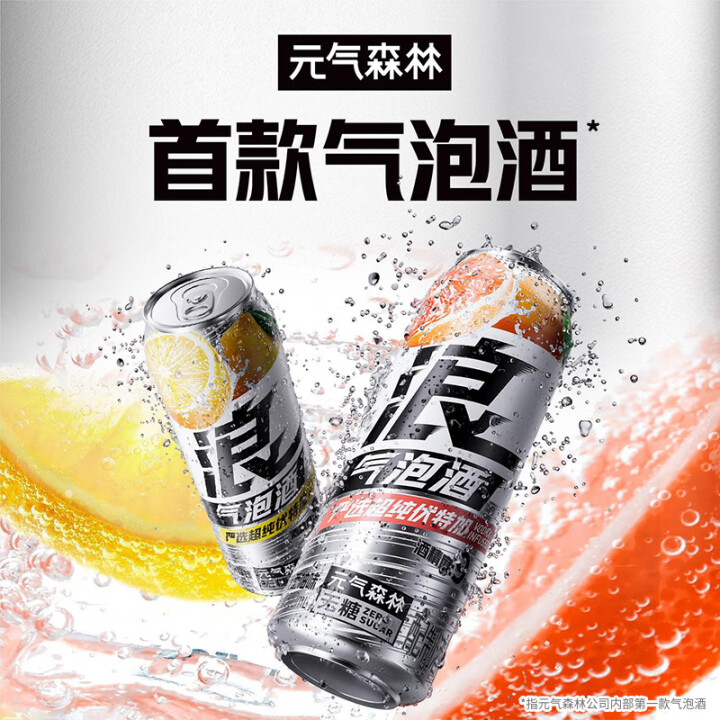
8. Chi Forest has launched its first sparkling alcohol product under the brand WAVE. The vodka-based drink, available in grapefruit and lemon flavors, has a 9% ABV and is positioned for social occasions. Its closest rival is RIO Strong due to due to its similar alcohol level, core demographic, and consumption scenarios. In recent years, China’s low-alcohol market has experienced rapid growth, largely driven by young consumers seeking a “light buzz” in social settings alongside healthier, low-sugar, and low-calorie options. Leading players in this sector include RIO, which dominates the ready-to-drink cocktail segment, and Meijian, known for fruit-based alcoholic beverages.
Regulatory Compliance
1. On April 15, 2025, China's National Health Commission (NHC) released a draft of the 2025 National Food Safety Standard Legislative Plan. The draft outlines 60 priority GB food standards slated for development or revision to enhance risk prevention, ensure industry compliance, and address urgent needs. These standards span a wide range of areas, including food products, labeling claims, additives, food contact materials, testing methods, hygiene requirements, and more. More information on ChemLinked.
2. On April 23, 2025, China's State Administration for Market Regulation (SAMR) published a Q&A document to explain the registration requirements of infant foods for special medical purposes (FSMP) under the new GB standard. More information on ChemLinked.
3. On April 24, 2025, the State Administration for Market Regulation (SAMR) of China opened a public consultation on a draft amendment to China's Health Function Catalogue, proposing to add "help maintain joint health" as a permitted claim for qualified health foods. More information on ChemLinked.
Disclaimer: All images used in the article are from the Internet.
 We provide full-scale global food market entry services (including product registration, ingredient review, regulatory consultation, customized training, market research, branding strategy). Please contact us to discuss how we can help you by