Request a Demo
- New food contact material standards took effect from 19 April 2017.
- Technical criteria have been significantly tightened.
- Foreign exporters will face tougher market entry barriers.
Numerous new standards regulating the safety of food contact material and related products were released by NHFPC in late 2016. The majority of these new standards took effect from 19 April 2017. The new standards elevate technical criteria in food inspection and oversight, by further aligning with internationally endorsed testing methodology and working mechanism.
As an important component in food safety management, food contact material are intimately related to overall food safety and can directly impact consumer health and safety. For this reason food contact materials have increasingly become an issue of public concern in recent years, underscored by China’s outdated regulatory framework and authority’s inability to tackle the growing complexity of practical enforcement activities.
The severity of regulatory loopholes is not only manifested in domestic affairs, but also in food import and export, further encouraging a revamp to the existing regulatory framework and supporting standards. In 2016 alone, the EU publicly announced through its RASFF (rapid alert system for food products) 103 cases involving unqualified food contact materials found in a wide range of food related products from China, such as plastics, stainless steel, ceramics, bamboo dishware, non-stick frying pan. Among them, there were an astounding 86 batches being either rejected by customs, or issued with a retail sales suspension. With regard to import, a total of 11 batches of food products with unqualified food contact material were found in 2016 in Ningbo port alone, adding up to a value of over 400,000 dollars.
The newly erected framework has taken into account all major aspects of food safety management, involving ingredient, additive, finished products, production process and testing methods and introduced more scientifically reliable indexes. Inspection and supervision activities will also be supported by robust statistical analysis.
Technical overhaul
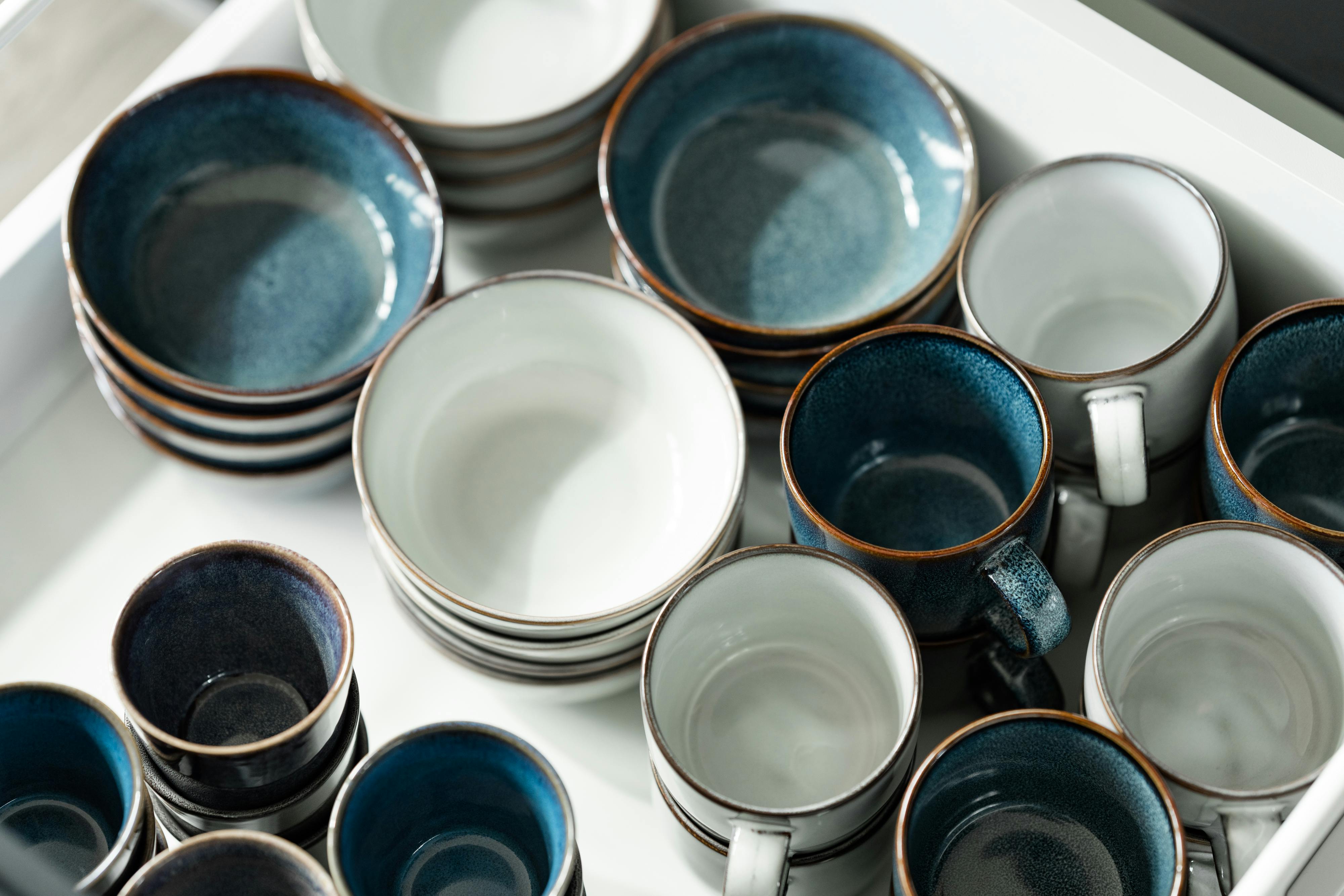
The new set of standards offer much clearer, more detailed and actionable guiding principles from both hygiene and testing perspectives. Food contact materials/products have been divided into ten properly defined categories including pacifier, enamel ware, ceramic product, glass product, plastic resin, plastic product, paper, metal material, coating and rubber material, with renewed hygiene requirements referencing western standards. A vital index--“total migration quantity” used to assess various hazardous ingredients in plastic-made food contact material such as polypropylene and polyethylene, has been harmonized for the first time and now stands at 60 mg/kg in line with European level, while restrictions on N-Nitrosodimethylamine and heavy metals such as lead and cadmium have also been tightened. Metal material and product hygiene standards have been updated as well, combining previous standards for stainless steel and aluminum products.
A series of important parameters in testing such as the choice of food (inherent characteristics such as pH, lipid content etc.), testing time and temperature have been improved. The most notable change is a drastic 40x increase of “total migration quantity” in acid and oil simulants of rubber products and an emphasis upon consideration of specific conditions of use when testing each item. Companies therefore must provide authentic information regarding product ingredient and conditions of usage, which may help reveal more accurately the safety level of certain food materials under practical application scenarios and facilitate industry self-regulation.
Fresh challenges for foreign brands
The new standards pose fresh challenges to foreign exporters too. According to a 2016 figures, there were over 100,000 batches of food contact imported into China with a total value exceeding 3 billion Yuan, a thriving sector of business fueled by the rise of CBEC. Juicers from Korea and Japan and water filters from western countries are said to be particularly popular among Chinese consumers. In 2016, a batch of imported juicers from Korean was found to contain acrylonitrile—a carcinogen and mutagen at a volume of 20.2 mg/kg in its component, far above legally permitted limit value.
Local importers have been strongly advised by CIQs to inform their foreigner suppliers of the new national standards in order to ensure product safety from origin while conducting all necessary tests mandated under the new standards to prevent rejection and even destruction at port.
 We provide full-scale global food market entry services (including product registration, ingredient review, regulatory consultation, customized training, market research, branding strategy). Please contact us to discuss how we can help you by