Request a Demo
On Sep 24, 2019, China State Administration for Market Regulation (SAMR) opened Advice on Controlling the Risk of Fat- and Oil-Containing Foods’ Exposure to Phthalate Esters to public feedback in an announcement.[1] Any comments shall be submitted prior to Oct. 25, 2019 using one of the following approaches:
Approach 1: Visit SAMR website (http://www.samr.gov.cn/hd/zjdc/) and register or login in to submit comments;
Approach 2: Fill the Form of Feedback and send it to [email protected].
PAEs Already Subject to Long-term Ban in Food Packaging
Phthalate Esters (PAEs), also known as plasticizers, are ubiquitously applied in food-contact plastic materials. GB 9685 National Food Safety Standard for Uses of Additives in Food Contact Materials and Articles has forbidden the use of PAEs-containing food contact materials and articles in fatty and oily food, infant food and food with over 20% alcohol. Dietary exposures are associated with a host of adverse health outcomes. Early in 2011, the former Ministry of Health set the upper migration levels of DEHP, DINP and DBP in foods,[2] and later in 2014, the former National Health and Family Planning Commission further specified their acceptable concentration in white wine and other distilled spirit.[3]
SAMR Calls for Rigorous Controls
The Advice on Controlling the Risk of Fat- and Oil-Containing Foods’ Exposure to Phthalate Esters addressing 5 key areas:[4]
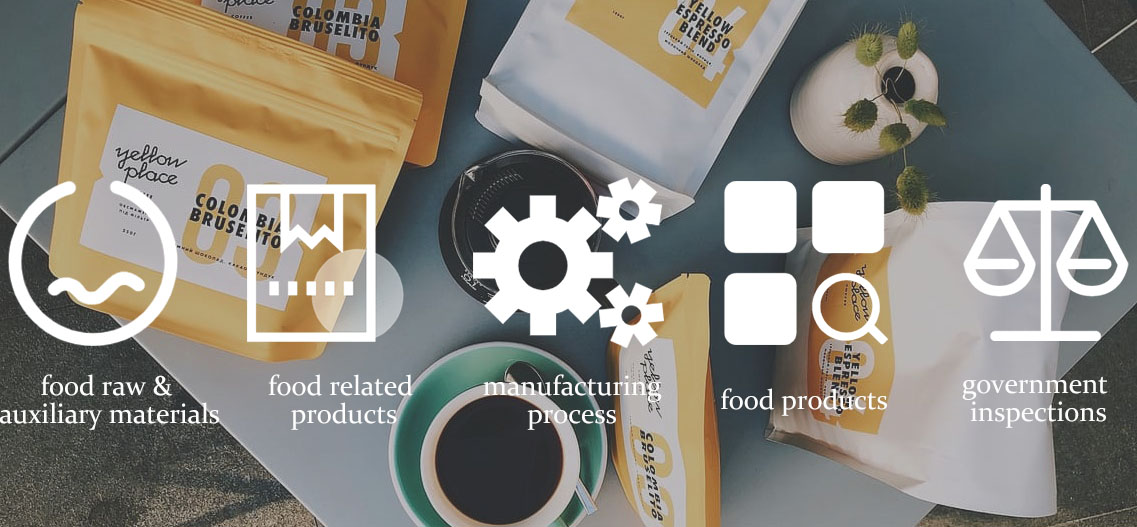
1. Strengthen supervision over food raw and auxiliary materials
Food producers who use oily or fatty food or alcoholic food as raw materials shall review suppliers’ qualifications and supplies of raw materials. When required credentials are unavailable, testing of plasticizer items is compulsory.
2. Strengthen supervision over food related products
Food producers who use plastic packaging materials to wrap oily or fatty or alcoholic food shall review the qualification of food contact product and its suppliers. When required credentials are unavailable, testing of plasticizer items is compulsory.
3. Strengthen supervision over manufacturing process and business operation
Food manufacturers shall not use equipment, pipelines, gaskets etc. that contain plasticizers during production and should minimize the contamination of plasticizers during storage, transportation, selling and so forth.
4. Strengthen quality control of food products
Food business stakeholders shall comply with upper limits of PAEs in fatty and oily food and food with over 20% alcohol.
| Plasticizer name | Food category | Upper limit |
| DEHP | White wine and other distilled spirit | 5mg/kg |
| Fatty and oily food, alcoholic food (expert for white wine and other distilled spirit) | 1.5mg/kg | |
| DBP | White wine and other distilled spirit | 1mg/kg |
| Fatty and oily food, alcoholic food (expert for white wine and other distilled spirit) | 0.3mg/kg | |
| DINP | Fatty and oily food, alcoholic food | 9mg/kg |
5. Enhance government inspections and management
Local regulators should inspect the implementation of these measures, compel substandard enterprise to rectify issues and punish violators.
 We provide full-scale global food market entry services (including product registration, ingredient review, regulatory consultation, customized training, market research, branding strategy). Please contact us to discuss how we can help you by