Request a Demo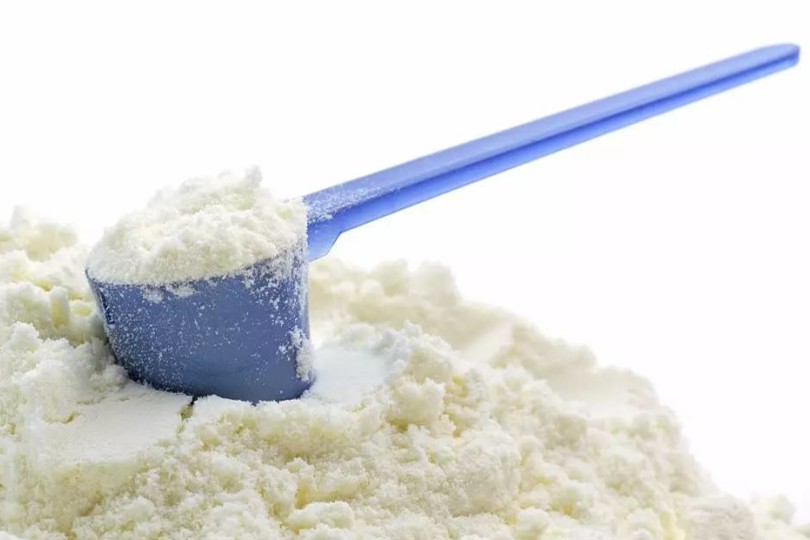
In China consumer demand for products considered safe and natural has increased in recent years stoking a concomitant rise in demand for organic infant formula. Organic milk powder is synonymous with ultra-premium products in China and commands a significantly higher price when compared with non-organic products. Although the organic milk powder market is relatively underdeveloped in China, it is predicted that its sales volume will reach 10 billion yuan in the next 2 or 3 years.
China’s definition of Organic infant formula
 Organic infant formula is milk powder which is produced in line with specific standards and complies with China’s definition of organic agriculture throughout the supply chain and product lifecycle. The 5 major qualification criteria are:
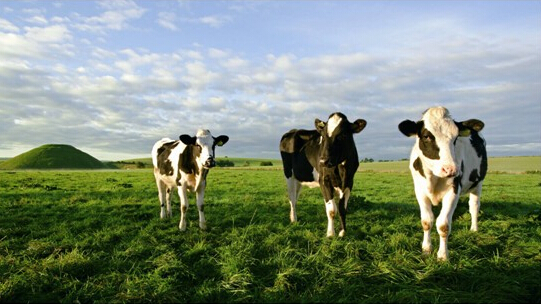
Organic pasture: Forage grass, air and water are free from pesticide, fertilizer and hormones for at least 3 years, and the pasture should be away from direct pollution sources including industrial and mining area, railway lines, and cities.
Organic animal husbandry: animals (cows/goats) should be feed with organic fodder
Organic process: the whole production process and product lifecycle should be free from external contamination. The process, storage, packaging, transportation shall follow organic standards.
Organic traceability: use of the “organic code” is a mandatory requirement
Organic certification: the organic certificate is valid for one year.
Ingredient for organic milk powder
GB/T 19630.2-2011 stipulated that total concentration of organic ingredient should account for no less than 95% of the ingredients in the final products. Under such stringent requirements, manufacturers tend to avoid adding non-organic ingredients unless the substances are mandatory (like Vitamins, amino acid, and mineral), despite this non-organic forms of DHA and AA (two optional ingredients) are still commonly used by enterprises marketing organic infant formula in China. Although use of these substances poses the risk of exceeding the 5% rule, consumer demand for inclusion of these ingredients is so great that formula which do not include these substances will be at a significant disadvantage.
Another high-profile ingredient which has garnered much attention and demand among Chinese consumers is OPO. In June this year, China CNCA published the 6th List of Certified Organic Products, and OPO was newly included. OPO is a human breast milk mimetic ingredient (designed to mimic natural fatty acid profile of human breast milk) which is commonly included in premium and ultra-premium products in China due to evidence linking it with a decreased incidence of GI problems, decreased colic and improved sleep.
How can overseas organic milk powder enter into China?
CNCA registration and formula registration
Organic infant milk powder manufacturers are still required to obtain overseas manufacturer registration from CNCA and formula registration from SAMR. Up to now, 29 organic infant formulae have been granted registration approval, and 9 of them are imported.
Country | Brand |
Denmark | Arla Baby Me |
Denmark | Abbott Eleva |
Netherlands | Earth’s Best |
Netherlands | Neolac |
USA | Baby’s Only Organic |
Ireland | Wyeth Illuma Purie |
France | Healthy Times |
UK | Kendamil organic |
Australia | Ausnutria Extra Pure |
It is worth noting that Bellamy, an extremely popular organic milk powder from Australia, has not been granted recipe registration approval yet. Besides the registration approval of Bimbosan and Holle (these two are both organic) were suspended due to excessive microbial contamination.
Organic certificate
Organic certification is mandatory for all organic products sold in China. According to Administrative Measure on Organic Product Certification, there are two approaches to export organic formula to china:
If there is a bilateral agreement on mutual recognition of organic certification between China and the country of origin, then an organic certification granted by the organic certification body in the country of origin is acceptable in China. Currently only New Zealand has signed a mutual organic recognition agreement with China.
For countries that have not signed a mutual recognition of organic certification agreement with China, their products must comply with Chinese organic food regulations, standards and must also obtain an organic certification granted by China’s certification body.
Applicants are required to apply for China’s organic certificate through China’s designated certification authority. Please read the detail regarding organic certification on our ChemLinked online course.
Although China has an established organic certification system there are still some obvious shortcomings associated with the system primarily orientated around its use of 3rd party testing agencies in the certification process. Major problems are:
Often deviation between results obtained during initial product testing during the organic product certification application and post market testing of the certified products.
In other cases the credibility of China’s certification body or of the accredited 3rd party testing agencies have been brought into disrepute with allegations of corruption and “certifications for sale” marring the overall reputation and integrity of the certification process.
Future development of organic milk powder
An appealing market for infant formula manufacturers
Statistics shows that the offline sale volume of organic milk powder was 1.82 billion yuan in 2016, 2.67 billion yuan in 2017 and reached 3.92 billion yuan in 2018, with an annual grow rate of 47%. “The market size of organic milk powder (both online and offline sales) reached over 3 billion yuan in 2016, doubled in 2017, and is predicted to climb to over 10 billion yuan in 2018,” according to dairy expert Song Liang.
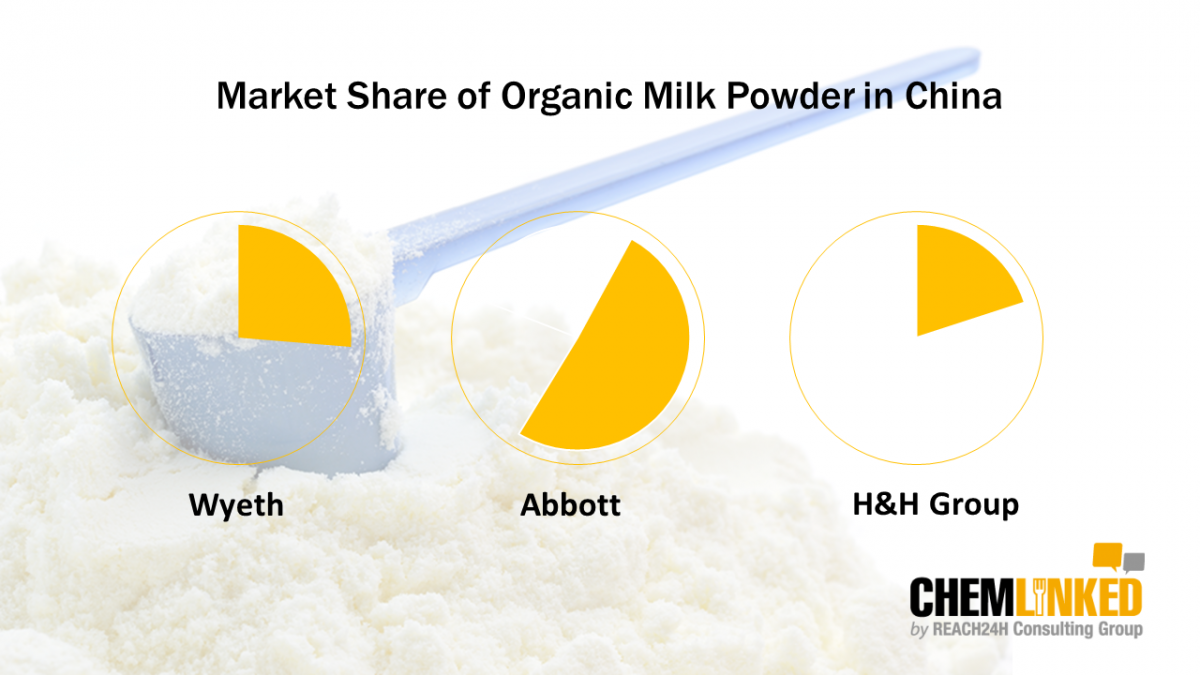
Given the huge market potential of this niche product category, more and more dairy giants are joining in, which has caused the market to become more and more competitive and create more challenges for SMEs. Even as early as 2015 enterprise like Ausnutria earmarked organic infant formula as a high priority product development goal in their 10-year strategy, stating that “organic milk powder will be an essential part of their expansion roadmap going forward” . In April this year an organic milk powder factory owned by Mead Johnson was granted CNCA registration, suggesting that it will launch a new organic product in China soon. Friesland also revealed that it was considering the introduction of organic products to China. At present China’s imported organic milk powder sector is dominated by Abbott (nearly 50% of market share), followed by Wyeth and H&H group (Healthy Times).
Restoring the Integrity of Organic Certification in China
Given the failings of supervision and the failings in enforcement of organic certification standards by China’s certification body, China has prioritized strengthening comprehensive oversight of organic products. Since 2016, at least 4 enterprise have had their organic certification revoked or their rights to circulate products suspended. In May of 2018, a testing agency named Wuyue Huaxia was suspended from issuing organic certificates due to the discovery of non-organic vegetables it had previously certified as organic. This incident also had knock on effects for an organic milk powder produced by Wissun as this product was also certified by Wuyue Huaxia.
Overall China’s organic certification system has numerous shortcomings most prominent in post-certification follow-up supervision and traceability which have significantly impacted the integrity and credibility of China’s organic certification mark. China is working towards increasing the stringency of standards and enforcement in its organic products sector and given the marked increase in demand for these products will likely increase efforts to realize a better domestic organic certification system which engenders trust amongst Chinese consumers. Without this China’s domestic organic products sector will face prohibitively intense trade pressures from its international competitors.
 We provide full-scale global food market entry services (including product registration, ingredient review, regulatory consultation, customized training, market research, branding strategy). Please contact us to discuss how we can help you by