Request a Demo
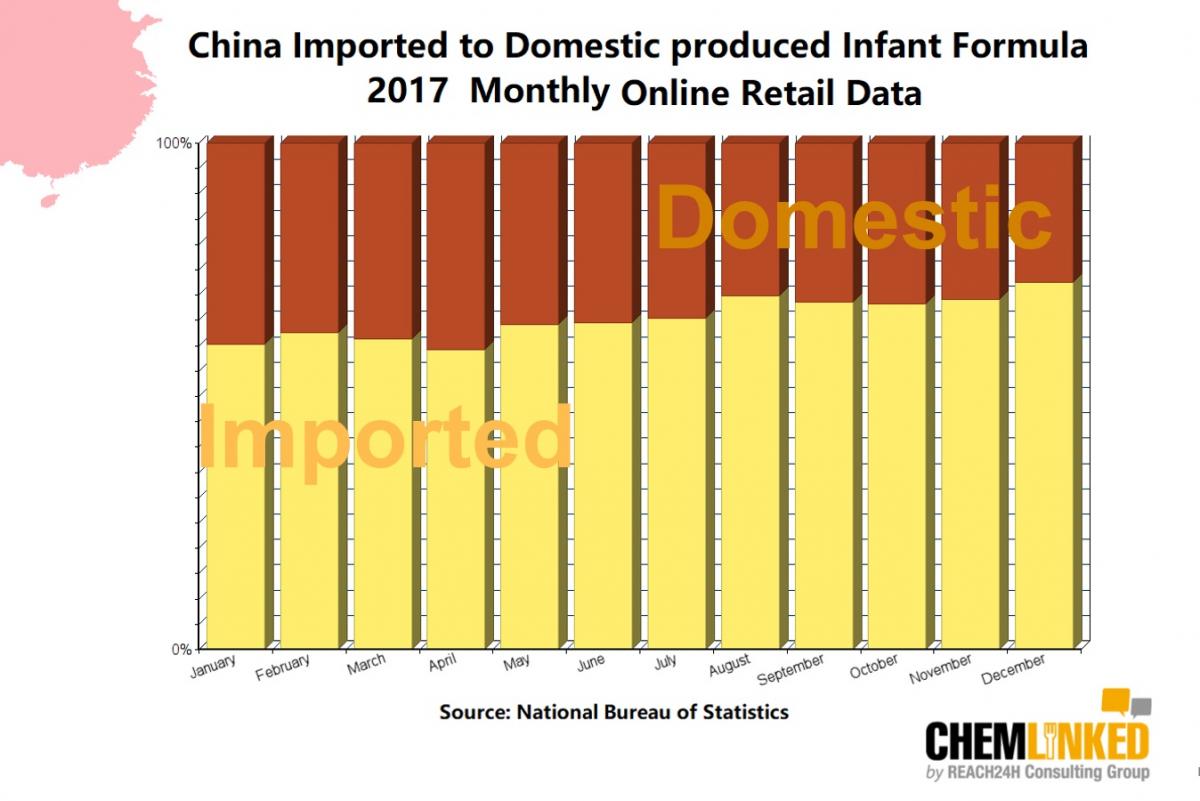
In this article we will analyze market data sourced from analysis of online purchases of infant formula in China from January to December 2017. Online shopping is increasingly important to China’s economy and continues to enjoy double digit growth in China: In 2017 online sale of infant formula once again demonstrated impressive growth and record sales.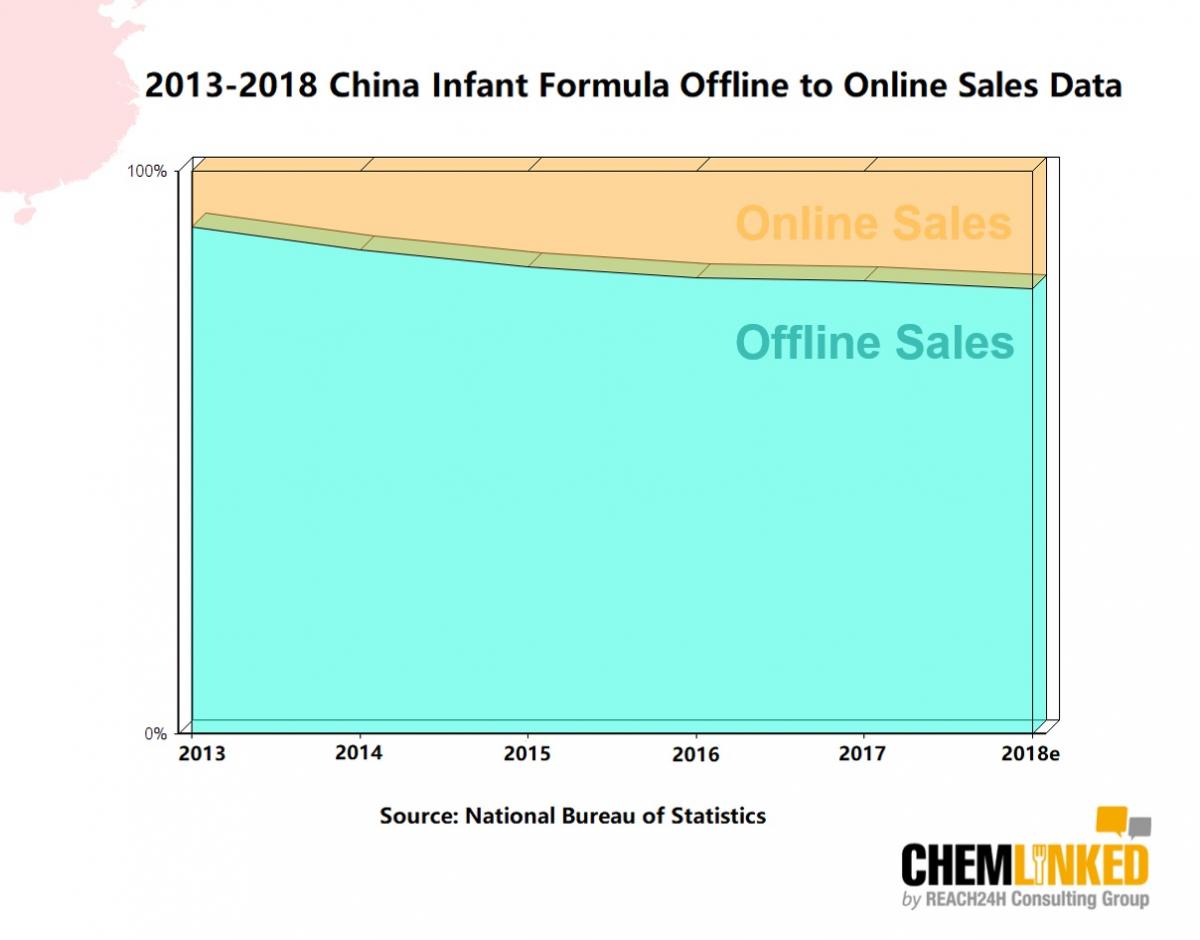 Imported products accounted for the largest percentage of infant formula sales online.
 This year sales of infant formula peaked in March, June and November. The month-on month growth ratio exceeded 200% in November and this month alone contributed greatly to an overall 20% jump in sales compared to the previous year.
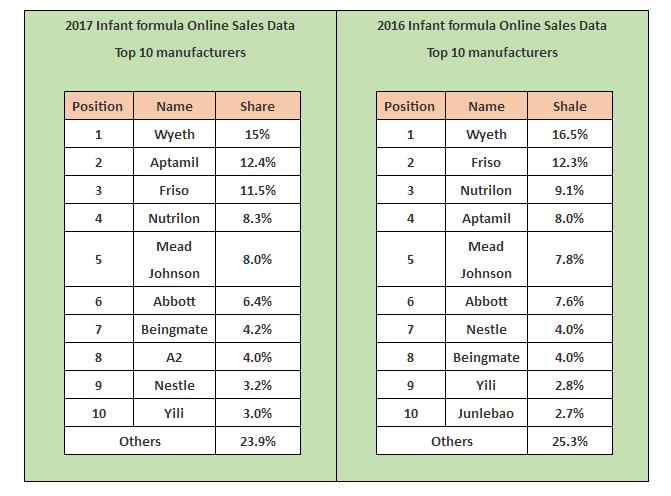
 The implementation of new regulations has forced or is forcing many small and medium sized manufacturers and hundreds of me-too brands from the market and ultimately giving way to a more concentrated market. In 2017 A2 replaced Jun Le Bao in the top ten selling brands in China and Aptamil jumped two places in the rankings to overtake Friso. Only 1 domestic brand manufactured by Yili featured in the top ten list further underscoring Chinese consumer’s predilection for foreign produce.
 Interestingly there is a predominance of Stage 3 Infant formula, probably also as a consequence of the increased number of working mothers that constitute the largest percentage of consumers. Chinese mothers tend to wean children off breastmilk at about 1 year of age and then switch to infant formula feeding. This is the main reason for the growth of stage 3 infant formula sales and a subtle contraction in the market share of early stage infant formula (stage 1 and stage 2). The growth of high end(retail price of 290-390 yuan / 900g) and ultra-high end(retail price of more than 390 yuan / 900g) products is also fast, as the first increased from 14% in 2012 to reach 24% in 2016 and the second from 13% in 2012 to 25% in 2016 of total infant formula sales.
Interestingly Alibaba’s main ecommerce competitor Jingdong holds by far the largest share of the market in online sales of infant formula boasting a dominant 44%. In comparison Alibaba’s Tmall holds just 4.9%.
2017 Double-11 online infant milk powder sales
China’s 25 billion dollar, 24 hour online sales extravaganza which falls on the 11th of November every year, aptly dubbed 11/11 deserves a special mention here. 2017 sales of mother and baby products reached 9.14 billion yuan, infant formula constituted 48% of these sales (imported 23%). The average preference ratio for imported products exceeded 50%.
Future development trends of infant milk powder industry
After "Administrative Measures for Registration of Infant and Young Children Milk Powder Formula Recipes" was implemented on the 1st of October 2016, various regulations followed (we dedicated a regulatory analysis to them) with the purpose of tackling false claims and limiting the number of circulating products.
After January 1, 2018 (included), imported products should be registered with CFDA, otherwise they won’t be allowed to enter the country. Infant formula produced before Jan 1st 2018 by CNCA accredited manufacturers can still be imported and sold until the end of its shelf life. As of December 22, 2017, there are more than 900 formulas manufactured by 120 enterprises registered.
It is expected that in the second half of 2019, many infant formula companies will be put out of business.
On the demand side, as a result of the “two-child policy” there will be an inevitable and substantial increase, which is expected to peak between 2017-2019. The most favorable conditions for market expansion will be in third and fourth tier cities and in the western part of the country.
 We provide full-scale global food market entry services (including product registration, ingredient review, regulatory consultation, customized training, market research, branding strategy). Please contact us to discuss how we can help you by