Request a Demo
Every time China engages in trade controversies with Europe or USA, headlines are filled with sensationalistic titles predicting catastrophic outcomes. However, given the US’s long standing trade deficit with China and the unprecedented export data seen in 2017, stakes are very high and justify the hype surrounding the current controversy.
Chronology of China-USA tariff war
August 2017: A US Trade Representative decides to open an investigation on China’s Intellectual Property Policies under section 301 of 1974 Trade Act.
16 February 2018: Secretary Ross in Coordination with White House Releases Steel and Aluminum Reports and suggests an increase in tariffs on steel and aluminum with a particular emphasis on certain countries including China
1 March 2018: USA president Donald Trump announces plan to raise tariffs on all imports of steel and aluminum (25% and 10% respectively) (Canada and Mexico excluded).
22 March 2018: The “Findings” of the Investigation on China’s Intellectual Property Policies is published. As a result, Trump announces the plan to impose tariffs on Chinese imports worth 50 billion. As a response to USA policy towards steel and aluminum imports, China Ministry of Commerce responded by announcing plans to raise tariffs on 128 commodities , potentially impacting 3 billion dollars’ worth of US goods.
2 April 2018: China Ministry of Commerce implements the tariffs.
3 April 2018: US Trade Representative’s Office published a list of more than 1300 Chinese imported products subject to 25% tariff
4 April 2018: State Council’s Customs Tariff Commission announce a plan to impose 25% tariffs on 106 USA imports like automobiles, airplanes, and soybeans (top agricultural export to China).
5 April 2018: President Trump Announced the preparation of an additional $100 billion worth of retaliatory tariffs on Chinese goods.
Recap of Recent Events
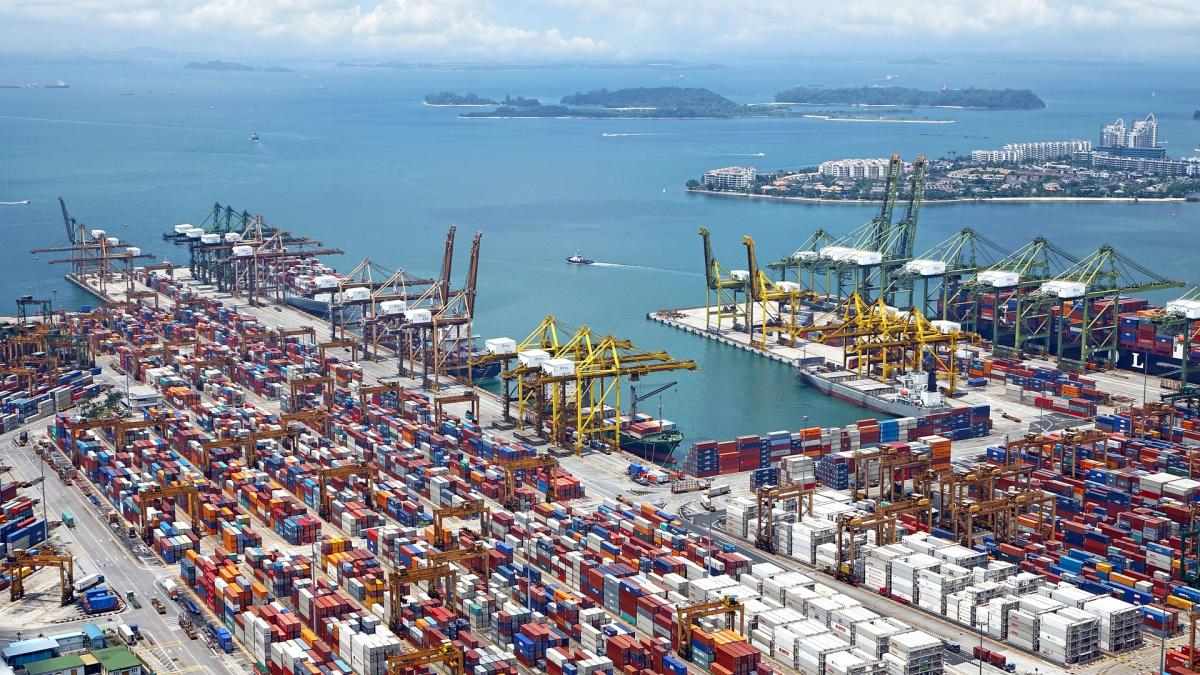 Prior to this current trade war Sino-US relations were looking optimistic as exemplified by the signing of the June 2017 USA-China trade agreement. However this early optimism quickly gave way to tensions as US authorities’ expounded political rhetoric about commitments to curb trade imbalances between the two countries. The timing of the recent events is particularly concerning for China as it navigates the complexities of the current economic and social metamorphosis the country is now undergoing. China is now in a transition period in which it is realigning economic growth away from traditional drivers towards an economy fueled by domestic production.
According to official US government reports issued on the 16th of February it was highlighted that the US is importing huge quantities of steel and aluminum from overproducing countries to cope with internal demand. The situation poses a threat to national security and the solution offered by US authorities was an increase in global tariffs on these two commodities. Such measures were implemented a few days later and some days after that, USA published the “Findings” on intellectual property, condemning Chinese violations relating to illegal appropriation/exploitation of US enterprise intellectual property etc. In response to the “Findings”, Trump announced plans to impose tariffs on more Chinese products. Shortly after this in response to US tariffs China MOFCOM announced that it will implement new tariffs (unless the two countries can reach agreement). The tariffs were officially implemented on 2nd of April.
MOFCOM Tariff Product List
The list of items subject to an increase in tariffs includes 128 products, belonging to 7 categories divided in 2 groups. The 120 products belonging to the first group will be subject to 15% tariffs, the 8 ones in the second will be subject to 25% tariffs. Among them, the majority (93) are food products. According to MOFCOM, the first group of products are valued at 977 million dollars, the second 1.992 billion.
Product Category | Tariff |
Fresh fruit, dried fruit and nut products |
|
Grape Wine | |
Modified Ethanol | |
American Ginseng | |
Seamless steel pipe | |
Pork and pork products |
|
Aluminum Scrap |
Fresh fruit, dried fruit and nut products
The most represented category in the 128 products list is fresh fruit, dried fruit and nut products. It includes 78 product types among which the most economically important is almonds. USA is a huge exporter of both fresh and dried fruits and total value of exports reached 16.48 billion U.S. dollars in 2016. China is an important trade partner, especially for nuts, which are valued at 1.1 billion U.S. dollars. Only one month has passed, but the tariff increases have already had a negative impact on demand for US fruit. In addition to this immediate impact we can expect longer term repercussions, as after losing market share it will be difficult to reestablish as competition in this sector is fierce: for instance, Australia will see tariffs on almonds drop to 0% in 2019, which will likely permanently alter trade balance and global trade relations in this sector. 
Grape Wine
There are five categories of wine products that were hit by the 15% tariffs, among which are sparkling wine and wine in packaging less than 2 liters. The problem with grape wine is that the importance of China for USA producers and exporters has grown steadily in the recent years. The final price is already a result of added VAT and other specific tariffs so after the tariffs it will be very hard to keep competitive prices. High-end and lowest quality wines are the least likely to suffer, while medium range ones will be impacted. We should also consider that China has signed trade agreements with at least two other wine producing countries, Chile and Australia.
American Ginseng
The 15% Tariff covers American ginseng, other fresh ginseng and unlisted ginseng. Ginseng is a small but important product in some American states’ agriculture sector (especially Wisconsin) and it has a history of more than one hundred years of exports to China. USA is far from being China’s only supplier of this kind of product and its market share will be easily absorbed by other countries if prices increase too much.
Pork and Pork Products
Pork and Pork Products are the only food product category that saw tariffs increased to 25%. Tariffs are hitting fresh and frozen pig forelegs, frozen bone forelegs, frozen liver and hindquarters among others. China is the world’s leading producer of pork, but production prices are higher than USA and this is why China relies on imports to feed huge internal demand. This tariff increase has occurred during a period when domestic pork prices are decreasing and many think that domestic production will be able to cope with demand in the near future.

Recent Developments
The April tariffs were followed by many other events. On 3rd of April The US Trade Representative’s Office released the list of Chinese products to be targeted. On the 4th of April China Customs Tariff Commission released a response. At the moment China and The US are hosting talks on the future of their bilateral trade. However, as the participants said, these talks won’t solve all the issues between China and USA as their relationship is very complex.
Future Perspectives
As we can see, the reciprocal impact of tariffs has the power to disrupt the existing relationship between some USA producers and China. In terms of the food sector the biggest impact is likely to come from the product list published but not implemented by China Custom Tariff Commission, which targets Soybean and some corn products which are significant commodities for both countries.
United States is the biggest producer and exporter of soybeans and China is world’s number 1 importer of this product, as domestic production is be very far behind being enough to feed its population. Despite China being the largest buyer of US soybeans, it started varying its purchases long ago and Brazil already became its first supply source, both from local producers or from COFCO operated warehouses.
Fear of this new tariff already shook the markets, with US soybean imports dropping and Brazil and Russians ones growing, but at the moment China can’t live without North American soybeans.
 We provide full-scale global food market entry services (including product registration, ingredient review, regulatory consultation, customized training, market research, branding strategy). Please contact us to discuss how we can help you by