Request a Demo
Simple Love is a Chinese yogurt brand which gained major traction amongst consumers because of its positioning as a “clean label” product which uses a simple formulation (milk + strain + sugar,) and is marketed using a strategy which highlights its “additives free” pedigree. However, some consumers are suspicious of the veracity of the additive-free claims and suspected that additives such as stabilizer and thickener are not included in the ingredient list due to their extremely low concentration (less than 2% of the overall ingredient composition) [1].
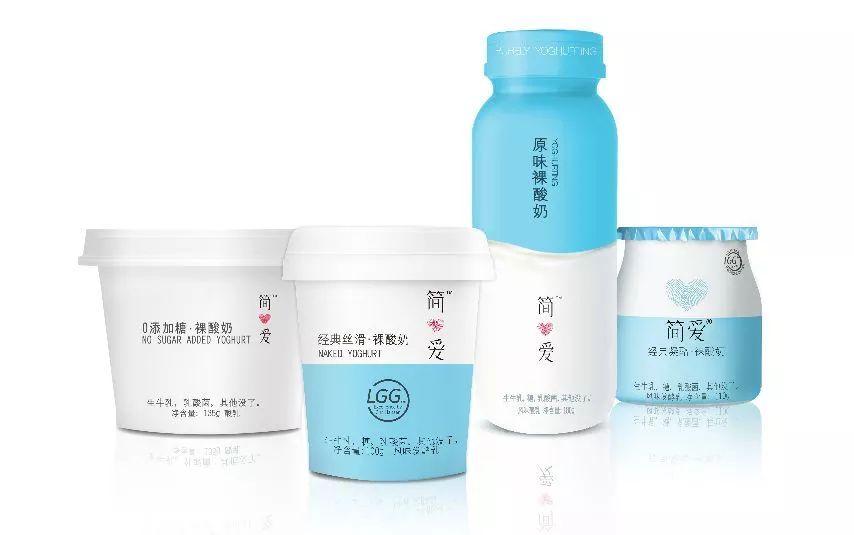
According to GB 7718-2011 General Standard for the Labeling of Prepackaged Foods, “all ingredients shall be listed in descending order of their weights. Additives accounting for less than 2% of the food do not have to be listed in descending order”. With reference to GB 7718, it is clear that even if a food additive has a concentration of less than 2%, it should still be included in the ingredient list [2].
Clean label foods claiming to be "additive-free” align with major drivers of consumer preference in China. GB 7718 stipulates that if the product underscores the comparatively-low concentration or absence of one or more ingredients in the label, its concentration shall be indicated as well. In Dec. 2019, China NHC opened a consultation on the exposure draft of GB 7718, and the following two items related to "additives free" indication are noteworthy:
4.4.2.1 If such words as "no" and "not included" are used, the content of corresponding ingredients or components shall be "0". If there are other provisions in other laws, regulations, or food safety standards, those provisions shall apply. For food additives, contaminants, and substances that are not allowed to be added as stipulated in laws, regulations, and standards, or substances that must not exist in food, negative content claims using words such as "no," "not included" and their synonyms are forbidden.
4.4.2.2 Words such as "not added," "not used," and their synonyms must not be used; if there are provisions in other laws, regulations, or national food safety standards, those provisions shall apply.
Article 4.4.2.1 means that if a product claims it does not contain specific ingredients, then the corresponding contents shall be indicated as "0" on the label. However, this rule does not apply to food additives, contaminants, and substances that are not allowed to be added or existed in food. For example, melamine is an illegal additive, and the enterprise cannot indicate "melamine-free” on the food package.
The competent authority may prohibit the use of words like "not added," "not used" because they are quite misleading. For instance, “no sugar added” can be easily misunderstood to mean “no sugar is contained” by consumers. If these articles are finalized and implemented in the updated version of GB 7718, many food enterprises will have to change the claims used on their product labels and on advertisements.
 We provide full-scale global food market entry services (including product registration, ingredient review, regulatory consultation, customized training, market research, branding strategy). Please contact us to discuss how we can help you by