Request a Demo
On October 16, 2020, the Ministry of Food and Drug Safety (MFDS) promulgated the revised Food Code by Notice No. 2020-98 [1]. The main contents are as follows:
1. New Food Category: Home Meal Replacement
The sales of Home Meal Replacement (HMR) in South Korea have greatly increased over the past decade. The sales amount was at 0.77 trillion KRW (about 675.3 million USD) in 2010, which boosted to 3.7 trillion won (about 3.2 billion USD) by 2018. [2]
The pandemic accelerated the demand for HMR food in South Korea as people cannot go out for dinner. According to data from CJ online mall, the sales of HMR showed a YOY growth rate of 84% from February 24 to March 1 after the COVID19 outbreak in S. Korea this year. [3] (Find more about the Impact of COVID-19 on the South Korean Food Sector [4].) Due to the consumption increase, MFDS decided to officially set HMR as a new food category and enhance food safety management.
As stated in the notification, HMR is defined as a prepared meal kit so that consumers can easily cook indoors following the provided cooking methods. The meal kit consists of washed, cut, or semi-manufactured food materials and the seasonings. Permitted food raw materials for HMR include agricultural, livestock, and fish products, etc. Note that while HMF food can use meat, eggs, or other livestock sourced materials, the product shall be registered as a livestock product when containing over 60% livestock materials.
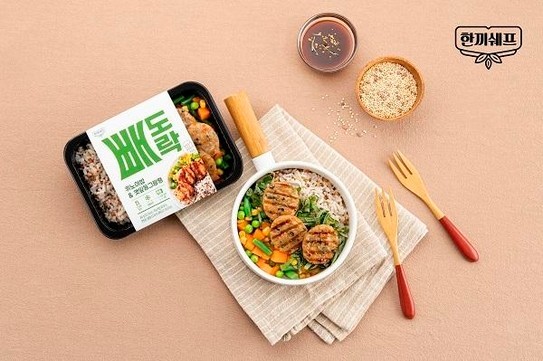
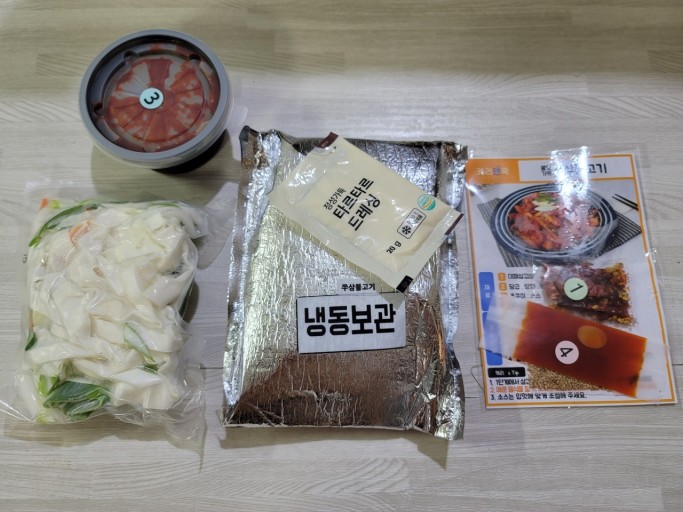
(Figure 1. Examples of HMR food, source: naver.com)
MFDS also established the standards and specifications of HMR products, such as the manufacture standard, storage standard, and hygienic standard, etc.
2. The Provision of CBD
CBD (cannabidiol) is a natural compound found in cannabis genus plants. [5] It is not psychoactive and causes few side effects. The previous regulation on cannabis in Food Code [6] is only applicable to THC, a psychoactive compound in cannabis. To expand the approved cannabis materials in food, MFDS modified the requirements of CBD.
Previous Regulation | Present Regulation |
Standard of “δ-9-Tetra hydrocannabinol” (1) cannabis seed: less than 5 mg/kg (2) cannabis seed oil: less than 10 mg/kg
| Standards of “δ-9-Tetra hydrocannabinol, THC” and “Cannabidiol, CBD" (1) cannabis seed: THC: less than 5 mg/kg CBD: less than 10 mg/kg (2) cannabis seed oil: THC: less than 10 mg/kg CBD: less than 20 mg/kg |
3. Other Amendments
The MRLs (Maximum Residue Limit) of 128 pesticides in agricultural products, seven animal drugs remained in processed food, and one pesticide remaining of livestock products are modified to align with the superordinate laws.
Two fish products, the sparkling enope squid (Watasenia scintillans) and Japanese sea cucumber (Stichopus japonicus/ Apostichopus japonicus), are added to the positive food raw material list.
The test methods are modified. The experimental methods for CBD were inserted. The experimental methods of Vitamin B2, Vitamin D, Vitamin B6, Vitamin B12, and biotin are also optimized.
Certain specifications related to food materials, such as the incorrect scientific names, duplicated items, etc. are modified.
Implementation Date
This revised version was implemented along with its issuance on October 16, 2020. However, the amendments related to HMR food will come into effect on January 1, 2022. The provisions of MRLs will take effect on January 1, 2021.
 We provide full-scale global food market entry services (including product registration, ingredient review, regulatory consultation, customized training, market research, branding strategy). Please contact us to discuss how we can help you by