Request a Demo
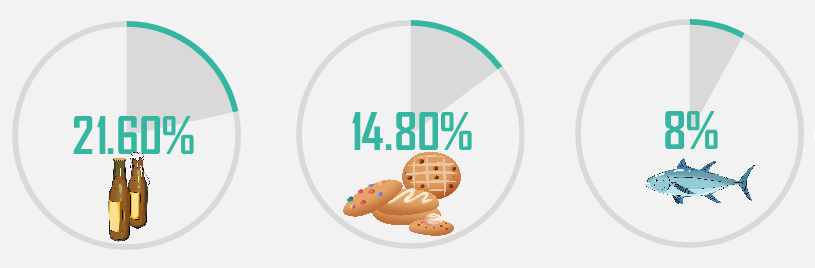
On March 26, 2019, GAC Released information on non-compliant imported food in February[1]. Data shows that 88 batches of food products imported from 25 countries/regions had issues. Top categories of food rejected were beverages, cereal-based foods and aquatic products. Major failure reasons are lack of qualification certificate and non-compliant packaging. ChemLinked has found that 936 kg of Starbucks beverages were rejected.
Starbucks: Misuse of Caffeine or Flavoring?
| HS code | Product name | Country of origin | Manufacturer |
| 2202100090 | 星巴克草莓柠檬味 碳酸饮料 | Japan | BJ EA VP EA RN AGS EAN CG OA .R ,I LA TD |
The product is called “strawberry-and-lemon-flavored carbonated drink”. The reason for its rejection, as stated in the list, is wrong application of food additive caffeine. According to National Food Safety Standard GB 2760 Standard for Use of Food Additives[2], caffeine is allowed to be used only in cola carbonated drinks with a limit of 0.15g/kg.
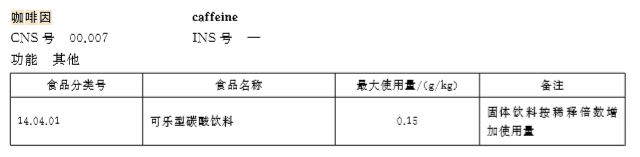 As the drink is not considered a cola, caffeine cannot be used. From a regulatory perspective, there are only two types of carbonated drinks: 1) carbonated cola 2) other carbonated drinks. The difference lies in application of flavoring essence (see table below).
| CNS No. | Carbonated drink type | Major fragrance source |
| 14.04.01 | carbonated cola drink | Cola essence or kola nut flavored essence |
| 14.04.02 | other carbonated drinks | Other essence, such as fruit juice, fruit-flavored essence |
 We provide full-scale global food market entry services (including product registration, ingredient review, regulatory consultation, customized training, market research, branding strategy). Please contact us to discuss how we can help you by