Request a Demo
On April 12, 2021, the Association of Southeast Asian Nations (ASEAN) issued ASEAN General Guideline on Food Contact Materials and ASEAN Guidelines for Good Manufacturing Practice for Food Contact Materials. These guidelines provide vital references for ASEAN countries in regulating FCMs. Some ASEAN countries, including Thailand and Indonesia, have made strides in improving their FCM regulations and monitoring. This article introduces the supervision mechanisms for FCMs in 6 ASEAN countries: Singapore, Thailand, Malaysia, Indonesia, Vietnam, and the Philippines.
Singapore
The Singapore Food Agency (SFA) oversees the safety and quality of all food products, including FCMs. FCMs are classified as food appliances by SFA. Traders of FCMs must register with SFA, just as those who wish to import processed food to Singapore.
Food Regulations under the Sale of Food Act, 1973 specify prohibited harmful substances in food containers.
Singapore has a regulated source programme aimed at ensuring the safety of high-risk products. While there are no mandatory requirements for FCMs, importers are advised to maintain similar source documentation as high-risk processed food, such as HACCP and GMP certificates, and present them when requested by SFA.
Thailand
In Thailand, competent authorities issue voluntary and mandatary regulations for different types of FCMs. Enterprises should abide by different standards according to their product types.
Ceramic food containers and metal-coated food containers are listed as restricted products by Department of Foreign Trade (DFT). Importers are required to obtain health certificates to import these containers into Thailand.
The Thailand Ministry of Public Health (MOPH) has published notifications related to FCMs, including Notification No. 435 B.E. 2022, which specifies quality and safety standards specifically for plastic containers.
The Thai Industrial Standards Institute (TISI) has published mandatory and voluntary standards concerning FCMs. Compulsory Thai Industrial Standards (TISs) cover a range of products such as nipples for feeding bottles and plastic food containers for microwave. Voluntary standards cover products such as plastic bags for food, among others.
Malaysia
In Malaysia, FCM importers must follow the Thirteenth Schedule in the Malaysia Food Regulation 1985 and Part VI “Packages for food” in the Malaysia Food Regulation 1985, which specifies the general requirements for the safe packaging of food.
For the importation of ceramic ware, the Ministry of Health Malaysia (MOH) requires a Certificate of Analysis (COA), issued by a laboratory recognized by the competent authority of the exporting country. Ceramic ware must also adhere to a series of labeling requirements.
The MOH bans the importation of feeding bottles containing Bisphenol A (BPA). Importation of feeding bottles under the tariff code of 3924.10.90 10 is required to be approved from the Food Safety and Quality Division (FSQD).
Indonesia
In Indonesia, FCMs are regulated by the National Agency of Drug and Food Control(BPOM).
BPOM has issued Regulation No. 20 of 2019, which outlines requirements for food packaging, including prohibited and permitted food contact substances. Food contact substances not listed in this regulation can only be used as food packaging upon BPOM approval.
The Indonesian National Standard (SNI) on Paper and Paperboard for Food Packaging became mandatory in February 2022, requiring paper and paperboard product to have an SNI certificate demonstrating its compliance.
Manufacturers or importers of melamine ware must apply for an SNI certificate demonstrating its compliance. Additionally, they must report the production and import activities of melamine ware on a regular basis.
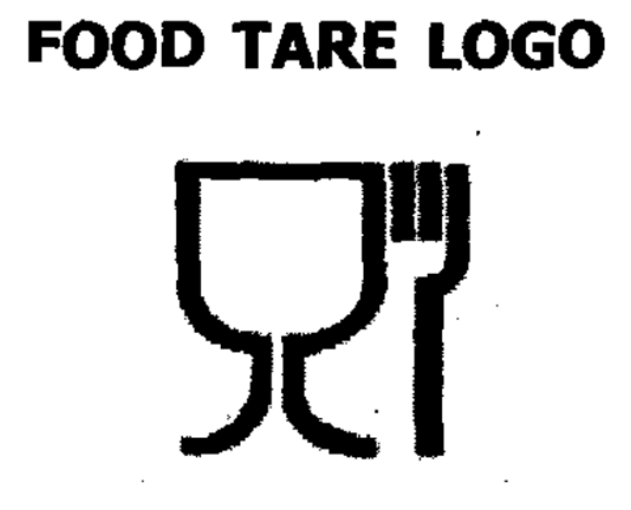
Food packaging made of plastic is required to include a food tare logo and recycle code. The food tare logo indicates that a food container is safe to use on food.
Vietnam
Vietnam has four technical regulations related to FCMs, including QCVN 12-1, QCVN 12-2, QCVN 12-3 and QCVN 12-4, which specifies technical and management requirements for different types of FCMs.
Declarations of conformity of food contact materials must be submitted in accordance with the corresponding technical regulations. Importers must register the declarations of conformity at the Vietnam Food Administration and ensure the fulfillment of food quality and safety requirements specified in the declarations.
The Philippines
The Philippines refers to FCM regulations from the US, Japan, and ASEAN for compliance.
The Philippines bans the importation of infant feeding bottles and sippy cups containing Bisphenol A (BPA).
According to the Guidelines on the Application and Issuance of Voluntary Certification of Food Contact Articles (FCA) Used for Prepackaged Processed Food Products, importers or manufacturers of food contact materials can apply for voluntary certification of FCMs in the Philippines.
ChemLinked has assisted numerous global food enterprises in achieving market access. Please feel free to contact us if you need any consultation services.
 We provide full-scale global food market entry services (including product registration, ingredient review, regulatory consultation, customized training, market research, branding strategy). Please contact us to discuss how we can help you by