Global Food Compliance
Intelligence & Solutions
Home / News / Details

China Reveals the Second Consultation Draft of GB 28050 General Rules for Nutrition Labeling of Prepackaged Food

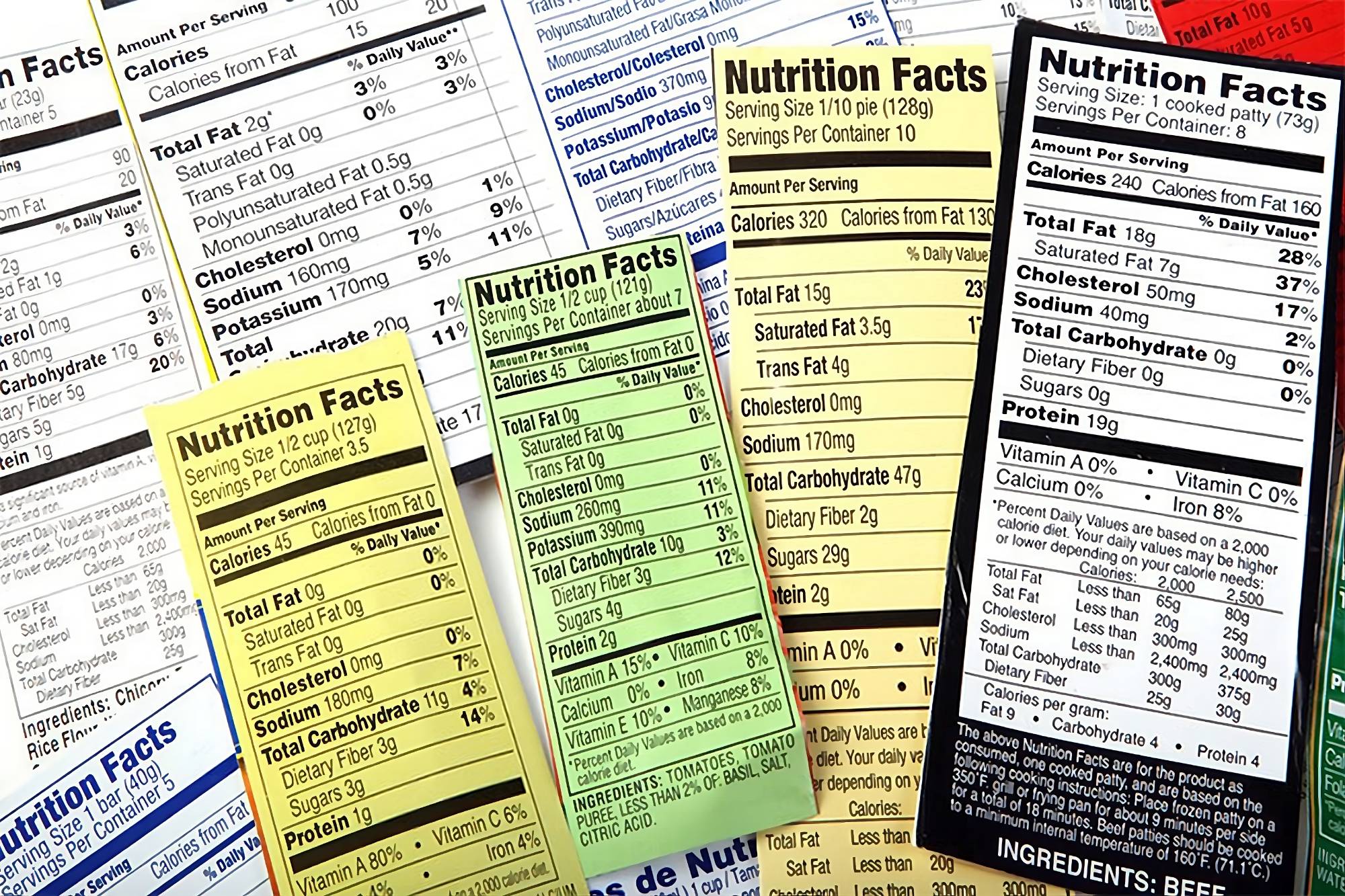
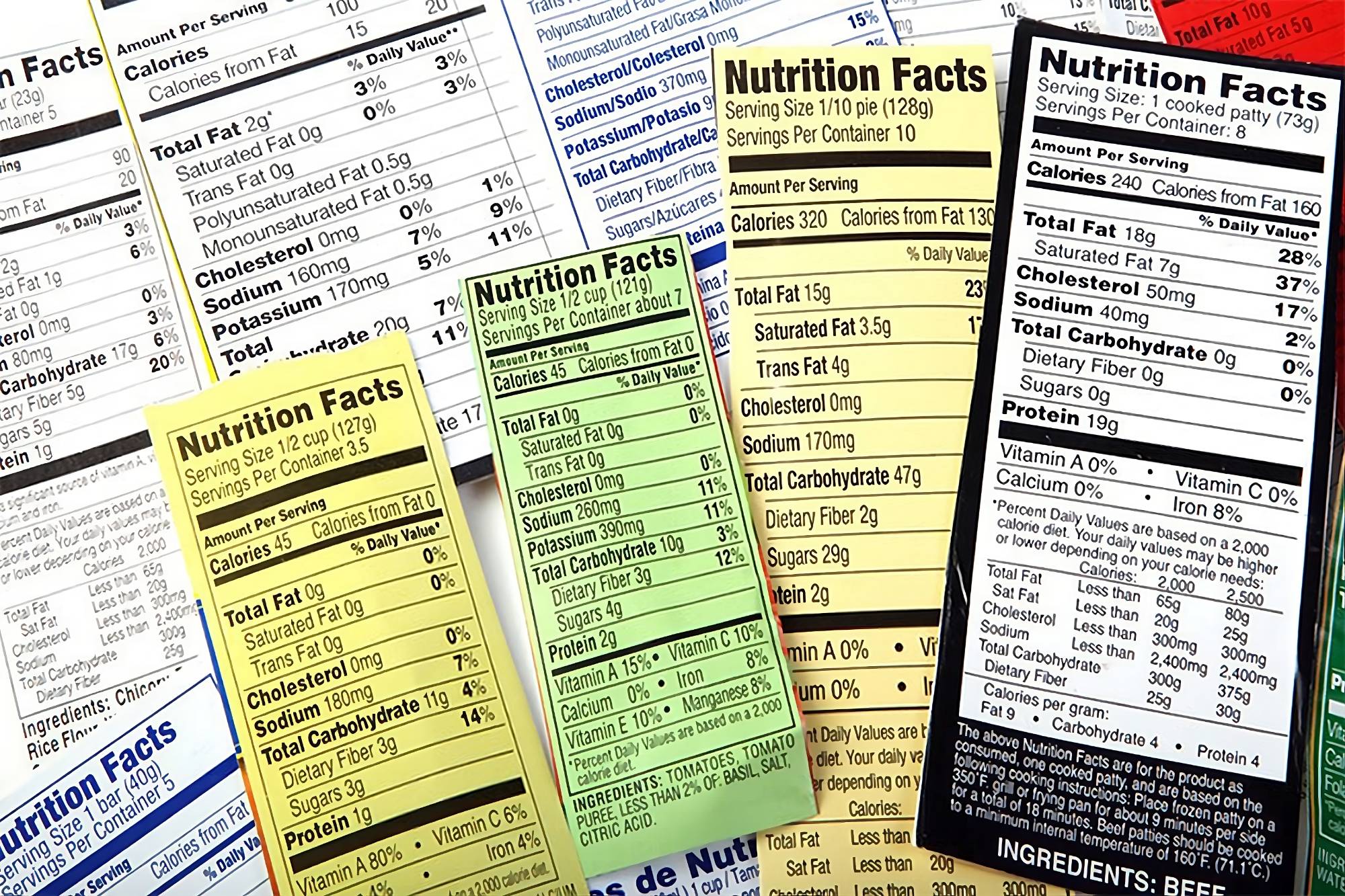
The content of saturated fat (or saturated fatty acid) and sugar labeling is compulsory. The scope of prepackaged food, which can be exempted from nutrition labeling, is revised. The limit of surface area for food exempted from nutrition labeling is increased to 150 cm2 (for the total surface area) or 40 cm2 (for the largest surface area). Descriptions like “cal,” “kcal” and “calories” are allowed for the labeling of energy. Low-protein is not allowed to be labeled as a content claim. Added the function claims of sugar, α- linolenic acid, vitamin K, phosphorus and potassium, etc.

On August 31, 2020, NHC [1] opened the consultation drafts of 16 national standards for public feedback, including the draft of GB 28050 General Rules for Nutrition Labeling of Prepackaged food and 15 other standards involving food contact material, dairy products, beverage, etc. View the analysis of the other 15 standards here on ChemLinked [2].

Major Revisions Compared to GB 28050-2011 [3]

The application scope of this Standard is expanded to prepackaged food that is not provided to consumers directly or food packages for storage and transportation, where nutrition labeling is required.

Labeling requirements—compulsory, optional, exempted and others

  • The content of saturated fat (or saturated fatty acid) and sugar labeling is compulsory.

  • Calculating the content of energy and nutritional component based on the per serving, which applies to 19 types of prepackaged foods, is optional.

  • Prepackaged food, which can be exempted from nutrition labeling, is revised, including the requirement of alcoholic beverages. The limit of surface area for food exempted from nutrition labeling is increased to 150 cm2 (for the total surface area) or 40 cm2 (for the largest surface area).

  • Descriptions like “cal,” “kcal” and “calories” are allowed for labeling energy.

  • Low-protein is not allowed to be labeled as a content claim.

Function claims:

  • Function claims of cholesterol and carbohydrate are deleted.

  • Added the function claims for sugar, α- linolenic acid, vitamin K, phosphorus and potassium.

  • Deleted one function claim of folic acid: Folic acid helps the development of embryo.

  • Other adjustments involve the function claims of vitamin A, D, B6, B12, calcium, zinc, etc.

Comparison between GB 28050-2011, the 1st Consultation Draft [4] and This Draft

Items

Current version

1st consultation draft

2nd consultation draft

Application   scope

This Standard does not apply to nutrition labeling of health food and prepackaged foods for special dietary uses.

Addition:

  • Applicable to prepackaged food provided to consumers directly.

Addition:

  • Applicable to prepackaged food provided to consumers directly.

  • To prepackaged food that is not provided to consumers directly and food packages of storage and transportation, where nutrition labeling is required, it should comply with the requirements of this Standard.

Terminology   and definition

/

/

  • Further explained the application scope, calculation method and the significance of nutrition reference value (NRV). Eg, NRV applies to food for people over four years old.

Compulsory   labeling content

/

  • Added the requirements of saturated fat (or saturated fatty acid),   sugar, vitamin A and calcium.

  • The content of energy and nutritional components should be labeled as per 100g or per 100 mL, etc.

  • Added the requirements of saturated fat (or saturated fatty acid) and sugar.

  • The content of energy and nutritional components should be labeled as per 100g or per 100 mL, etc.

Optional   labeling content

/

  • It is optional to add the labeling calculated as per serving, involving 22 types of prepackaged foods.

  • It is optional to add the   labeling calculated as per serving, involving 19 types of prepackaged foods.

  • Descriptions like “cal,” “kcal” and “calories” are allowed for the labeling of energy.

Labeling   of nutritional components

/

  • When labeling several nutritional components, compulsory labeling   content can be emphasized by using larger word size, changing font and color,  etc.

  • Nutrition claims can be labeled anywhere, but the word size should be no greater than the largest size of the food name.

  • Add the units, rounding interval and limit value of “0” for n-3 polyunsaturated fatty acids, α- linolenic acid,   EPA and DHA.

  • Lactose shall be labeled separately from sugar.

  • Clarified the determination method of the content value of nutritional component.


Others are the same as the 1st draft.

Prepackaged   foods that can be exempted from compulsory nutrition labeling

  • Alcoholic beverage that contains 0.5% or more alcohol;

  • Non-prepacked food sold on the site where it is produced

  • Prepackaged foods of daily intake amount ≤ 10g or 10ml

  • The limit of surface area for food exempted from nutrition labeling is increased to 100 cm2 (for the total surface area) or 20 cm2 (for the largest surface area).

  • Alcoholic beverage that contains 0.5% or more alcohol;

  • Non-prepacked food sold on the site where it is produced

  • The limit of surface area for food exempted from nutrition labeling is increased to 120 cm2 (for   the total surface area) or 25 cm2 (for the largest surface area).

  • Prepackaged foods of daily intake amount ≤ 10g or 10ml

  • Added: Food that is packaged in a recycled glass (ceramic) bottle where labeling   information cannot be printed.

  • Alcoholic beverage that   contains 0.5% or more alcohol and sugar content is less than 0.5%.

  • Non-prepacked food sold on the site where it is produced and bulk foods

  • Prepackaged foods or condiment with single raw material of which the daily intake amount is ≤ 10g or 10ml

  • The limit of surface area for food exempted from nutrition labeling is increased to 150 cm2 (for   the total surface area) or 40 cm2 (for the largest surface area).

  • Added: Food that is packaged in a recycled glass (ceramic) bottle where labeling information cannot be printed.

Annex   A

Nutrition   reference value

/

  • Deleted the NRV of cholesterol.

  • NRV of folic acid, choline, vitamin D, zinc, iodine, selenium and copper are revised.

Same with the 1st consultation draft.

Annex   B

Format   of nutrition labeling

/

  • Added two recommended nutrition labeling formats.

Same with the 1st consultation draft.

Claims   of energy and nutritional component

/

  • Deleted the content claim: low-protein.

  • Deleted the function claim of cholesterol.

  • Added the function claim of α- linolenic acid, vitamin K, phosphorus,  potassium.

  • Expand the function claim scope of protein, vitamin A, vitamin B6, vitamin B 12, calcium, zinc.

  • Deleted a function claim of carbohydrate and folic acid respectively.

  • Revised the function claim of vitamin D.

  • Added the function claim of sugar: long-term intake of high-sugar food is harmful for health.


Others are the same as the 1st consultation draft.

 For further translation services or requests for additional clarifications, please email [email protected].

We provide full-scale global food market entry services (including product registration, ingredient review, regulatory consultation, customized training, market research, branding strategy). Please contact us to discuss how we can help you by [email protected]
Copyright: unless otherwise stated all contents of this website are ©2026 - REACH24H Consulting Group - All Rights Reserved - For permission to use any content on this site, please contact [email protected]
User Guide