Request a Demo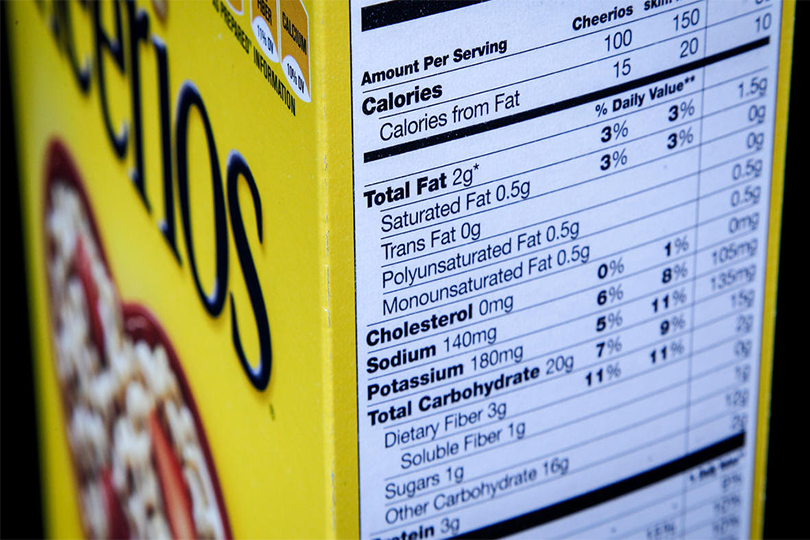
In early January 2025, South Korea Ministry of Food and Drug Safety (MFDS) initiated a public consultation on proposed amendments to the Enforcement Rule of the Act on Labeling and Advertising of Foods. Stakeholders may submit their opinions by February 13, 2025.
The amendment focuses on provisions related to e-labeling—food labeling provided electronically through barcodes, QR codes, or similar methods. The proposed changes aim to enhance consumer access to key food information while reducing resource waste associated with packaging updates.
Key Proposed Changes
Expansion of E-Labeling Scope
Under the current regulations, e-labels can only provide information on food type, container/packaging material, and storage instructions. The draft amendment allows some nutritional information, ingredient names, business location, product report number, and other relevant labeling information to be provided via e-labels. However, it should be noted that certain nutritional information (calories, sodium, sugars, trans fats(if present), other claimed nutrients), the top three ingredients by composition ratio and the primary uses of food additives must still be printed directly on the packaging.
As per the draft amendment, for foods using e-labels, the information must still be displayed directly on the food packaging shall include:
Food and Livestock Products
Product name, net weight, and ingredient names (the top 3 ingredients by composition ratio and the primary use of food additives)
Certain nutritional information (calories, sodium, sugars, trans fats(if present), other claimed nutrients)
Business name
Safety precautions for consumers. (excluding labels such as "filled with nitrogen gas")
Use-by date
Storage instructions
Health Functional Foods
Product name, net weight, and ingredient names (the top 3 ingredients by composition ratio and the primary use of food additives)
Certain nutritional information (calories, sodium, sugars, trans fats(if present), other claimed nutrients)
Business name
Use-by date
The phrase "Health Functional Food" or a similar statement indicating its status as a health functional food.
Functionality and content of functional ingredients
Safety precautions for consumers. (excluding labels such as "filled with nitrogen gas")
Recommended intake, method of intake, precautions during intake, and storage instructions.
Increased Font Size for Key Information
With e-labels used for more information, the proposed amendment mandates a minimum font size of 12 points for printed essential details to improve readability. Additionally, the character width ratio must be at least 90%, regardless of the total display area.
Recommended Reading:
South Korea Launches Food QR for Easier Access to Food Safety Information
 We provide full-scale global food market entry services (including product registration, ingredient review, regulatory consultation, customized training, market research, branding strategy). Please contact us to discuss how we can help you by